



What Daily Life Looks Like in Horse Country

Amit Bhuta
I use non-traditional marketing to inspire the most motivated buyers to pay the max for Miami luxury homes...
I use non-traditional marketing to inspire the most motivated buyers to pay the max for Miami luxury homes...
If you think a horse as a neighbor is weird, wait 'til you see it refuse to cooperate and throw off the morning schedule in Horse Country!
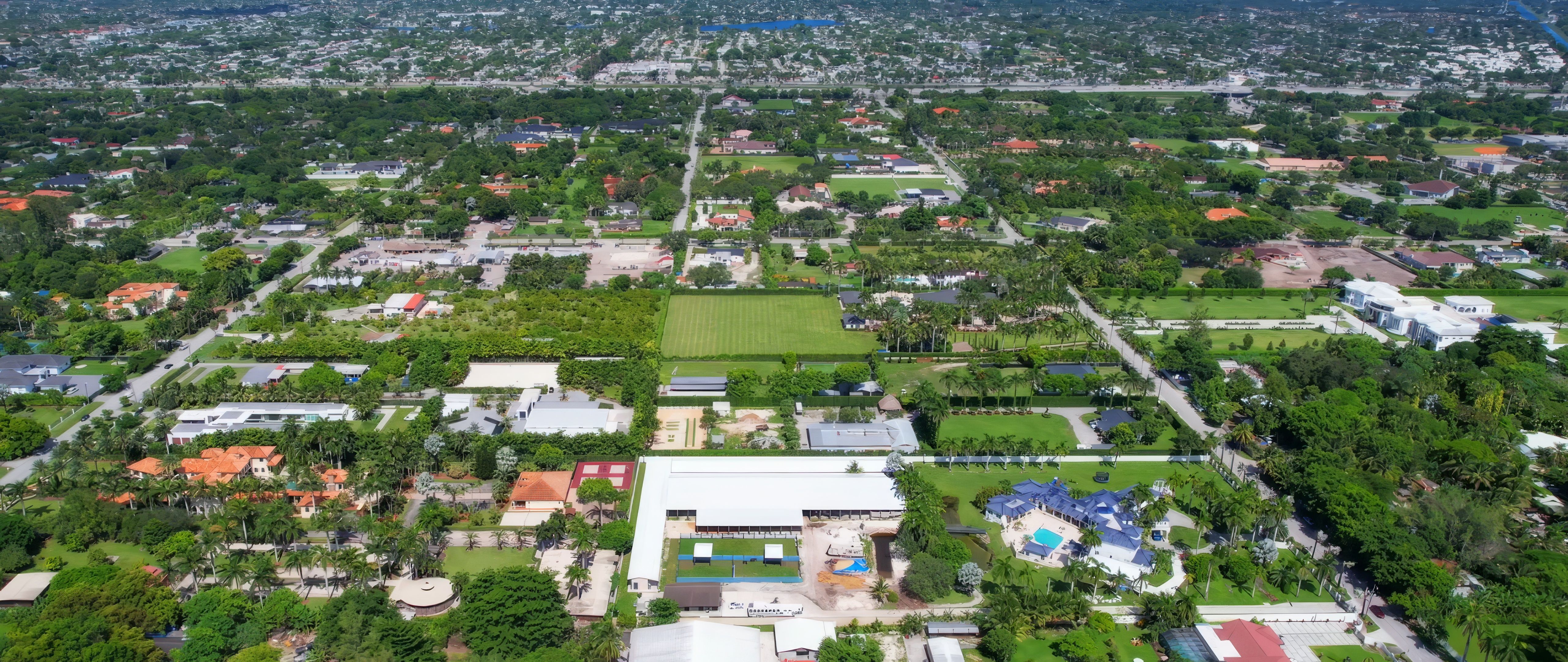
Part of the neighborhood's daily business, horses come with riding instructors, stable workers, and owners keeping a close eye on their four-legged companions.
And if that's not enough, beyond the paddocks, you'll also find plant nurseries with everything from towering palms to various shrubs.
At Florida Equestrian Center, an instructor might spend the morning helping a rider improve their jumping technique, while a nursery worker is figuring out how to fit an order of trees onto a delivery truck.
In Whispering Manes, volunteers help make horseback riding and learning activities accessible to people with disabilities, giving the neighborhood another meaningful connection to its animals.
And with Miami's busy streets surrounding this pocket of agricultural land, residents have good reason to pay attention to discussions about preserving the area.
Plenty of hard work happens behind the fences and tree-lined properties, and most of it has little to do with the leisurely horseback rides people imagine Horse Country to be all about.
Here’s what a typical day is like in Horse Country.
The Saddle Strategist
 (67).png?w=1140)
Early Morning – Not Every Horse Wakes Up Cooperative
The day's first riding lesson is still a few hours away, but a horse at the Florida Equestrian Center seems determined to make the instructor rethink the schedule.
During the morning check, the instructor watches the horse walk, checks for signs of discomfort, and asks the barn staff whether anything unusual happened overnight.
A horse that seems stiff or uncomfortable shouldn't be pushed through a demanding training session, so the instructor considers reducing the workload or having the animal examined.
Meanwhile, the other horses need their usual care, and the day's lesson schedule still has to move forward.
It's a reminder that teaching horseback riding requires knowing when not to ride, too.
Florida Equestrian Center offers boarding, training, and lessons in show jumping and dressage, with an emphasis on the well-being and development of both horse and rider.
 (68).png?w=1140)
Morning – The Jump Isn't the Hardest Part
With the morning checks complete, the instructor heads to the riding arena to arrange ground poles and a few low jumps for the next lesson.
The student warms up the horse before practicing turns and riding positions needed to move smoothly through the course.
When the horse rushes toward an obstacle, the instructor asks the rider to slow down, regain a steady rhythm, and try the approach again.
The goal isn't to jump higher or faster but to help the rider communicate more clearly with the horse.
After several attempts, the pair completes the exercise with better control, giving the instructor something positive to build on during the next lesson.
There's still work to do, of course, but progress in riding often comes from fixing the small things that happen before the jump.
 (69).png?w=1140)
Afternoon – Behind Every Good Ride
After the riding sessions, the instructor sits down with a student to review what went well and what needs more practice.
They review training notes, discuss the rider's position during turns, and decide which exercises could help improve consistency.
If the student wants to compete, the conversation might also cover future show goals, equipment needs, and whether the horse and rider are ready for that next challenge.
The instructor then updates the lesson plan and checks the schedule for upcoming training sessions.
There's more paperwork involved in teaching riding than most people expect, but nobody has managed to convince the horses to complete any of it.
 (70).png?w=1140)
Late Afternoon – The Horse Comes First
Before leaving the barn, the instructor checks on the horses that worked earlier in the day.
One has already been groomed and returned to its stall, while they check another after exercise to uncover any unusual swelling or discomfort.
The instructor also examines the tack used during lessons, looking for worn straps, damaged stitching, or anything that needs repair before the next ride.
After discussing the following day's schedule with barn staff, there's one last look around the stable to make sure everything is in order.
The riding arena may be quiet now, but looking after the horses is an ongoing responsibility that continues long after the students head home.
The Palm Supplier
 (71).png?w=1140)
Early Morning – The Order Is Bigger Than the Truck
A landscaping contractor needs several large palms, a collection of shrubs, and enough plants to finish a property before the weekend, so the morning at Florida Landscape Nursery is spent checking what's available.
The nursery worker reviews the order, compares it with the inventory, and determines which plants can be prepared for pickup.
Some specimens are easy to move, while larger trees require equipment and more planning for safe transportation.
Determining whether everything will fit on the contractor's vehicle without damaging the plants is also important.
Before anything is loaded, the worker confirms the quantities and makes sure the order matches what the customer requested.
 (72).png?w=1140)
Morning – A Palm Is Not Just a Palm
With the first orders organized, the worker meets a landscaping contractor who wants to choose trees and palms for a residential project.
They walk through the nursery rows, compare available plants, and discuss how much space each will need once installed.
A palm that looks manageable in a container may become a problem if it's planted too close to a driveway, roof, or overhead wires.
The worker also points out differences in mature size, sun exposure, and maintenance requirements, helping the contractor narrow down the options.
After checking the condition and sizes of the selected specimens, they agree on which plants best suit the job.
It's a practical discussion, especially when replacing the wrong tree later could cost considerably more than choosing carefully now.
 (73).png?w=1140)
Afternoon – Getting the Landscape on the Road
The contractor returns in the afternoon, ready to collect the plants reserved earlier.
Before loading begins, the nursery worker checks the order again and helps coordinate the safe movement of the larger specimens.
Smaller plants are grouped, while the trees need extra care to protect their trunks, branches, and root balls during transport.
The worker and contractor confirm the quantities and make sure everything is properly secured before the vehicle leaves.
There's no point sending out a perfectly healthy palm if it arrives at the customer's house looking as though it lost an argument with the truck.
Once the order is on its way, the worker updates the inventory and moves on to the next customer request.
 (74).png?w=1140)
Late Afternoon – What Happens to Horse Country Next?
With the day's orders finished, the nursery operator takes time to read the latest information about Miami-Dade County's Horse Country Area Study.
The ongoing planning process examines ways to preserve the area's agricultural, equestrian, and residential character while considering how to manage future development.
For a nursery business, these discussions matter because growing and selling plants requires land, suitable access for deliveries, and room to operate.
The operator reads through the county's published information, looking for updates on future community meetings and possible planning recommendations.
There's plenty to consider when surrounding neighborhoods develop, especially if new construction brings more traffic and changes to nearby properties.
After finishing the day's paperwork, the operator notes the next public discussion, knowing that decisions about the neighborhood could eventually affect the business.
The Helping Reins
 (75).png?w=1140)
Morning – The Team Has Four Legs, Too
The morning volunteer shift at Whispering Manes Therapeutic Riding Center includes the day's assignments and which horses will participate in the sessions.
For this Horse Country resident, volunteering means helping the instructors and staff create a safe, welcoming environment for people taking part in equine-assisted activities.
Depending on the assignment, the first tasks include gathering grooming supplies, preparing equipment, or helping with a horse under staff supervision.
There's also time to check that the arena and surrounding work areas are ready before participants arrive.
The horses may be familiar with their routines, but volunteers still focus on their behavior and follow the center's safety procedures.
Whispering Manes provides volunteer orientation and training, including opportunities for people without previous horse experience.
 (76).png?w=1140)
Late Morning – Small Steps, Big Victories
With the horses prepared, the volunteer joins a certified instructor for a scheduled adaptive riding session.
If assigned as a sidewalker, the volunteer walks beside the horse and follows the instructor's directions while the participant practices activities suited to their abilities.
The exercises may involve balance, following instructions, or communicating with the horse, depending on the individual's goals.
Some participants need more time or assistance than others, so the volunteer pays attention and lets the instructor guide the session.
A participant who completed an exercise with greater confidence is encouraging, even when the improvement appears small to someone watching from outside the arena.
At Whispering Manes, activities are adapted to individual needs and supervised by trained professionals, with volunteers providing support within their assigned roles.
 (77).png?w=1140)
Midday – Where Horses Help with Reading
After the riding session, the volunteer helps prepare materials for another Whispering Manes program, Manes and Tales.
The literacy program uses interactions with miniature horses to encourage reading and learning, offering participants a change from traditional classroom activities.
The volunteer gathers books and other materials requested by the instructor, then helps organize the space for an upcoming session.
Something's amusing about preparing a reading lesson where one of the participants has four legs and absolutely no intention of opening a book.
Still, the horses give learners something interesting to observe and interact with as they practice their skills.
The center's Manes and Tales program is designed for readers who need additional support, using horse-related activities to make literacy practice more engaging.
 (78).png?w=1140)
Afternoon – The Work Nobody Applauds
After the scheduled activities, the volunteer turns to the less visible jobs that help keep the center running.
They need to return equipment, organize supplies, and ensure approved work areas are cleaned before the next group arrives.
The volunteer checks with staff about what they can put away and prepare for another session.
There may also be simple administrative tasks or other responsibilities that don't involve working directly with the horses.
Before heading home, the resident says goodbye to the staff and takes one last look at the animals that helped make the day's activities possible.
It's not the work most people picture when they think about volunteering at a riding center, but someone needs to make sure everything is ready for the next person who comes through the gate.
Whispering Manes welcomes volunteers for both horse-related and other support roles, recognizing that its programs depend on help beyond the riding arena.
THE BIGGER PICTURE OF LIFE IN HORSE COUNTRY
What do these three different routines tell us about Horse Country?
Most Miami neighborhoods have to make room for more development, but Horse Country faces the unusual challenge of deciding how much change its rural character can handle.
Its open land isn't just there to make the houses look attractive; many properties serve practical purposes that require space, equipment, and room for animals, making the neighborhood different from communities where a large backyard is mainly a place for weekend barbecues or a swimming pool.
Here, land can support a livelihood, a longtime family interest, or a service that benefits people well beyond the neighborhood.
But keeping that way of life going takes money, especially when maintaining horses, barns, fencing, and agricultural properties is a never-ending expense — yes, even when business slows down.
The surrounding development also creates complications, as busier roads and changing land uses can make everyday operations harder for businesses that depend on deliveries, trailers, and agricultural equipment.
Understandably, owners have different opinions about what should happen next, particularly when their land offers opportunities beyond its current use.
That's why the county's ongoing discussions about Horse Country's future matter more than choosing what the neighborhood's signs should look like.
Preserving the area means considering whether its riding schools, nurseries, and agricultural businesses will have the conditions they need to operate in the years ahead.
At the same time, residents enjoy a neighborhood where open land and working agricultural properties remain part of the local landscape.
That said, Horse Country doesn't offer the walkable shopping streets, plentiful restaurants, or convenience of a more urban neighborhood.
For people who appreciate its unusual setting, though, traveling farther for everyday errands may be a reasonable exchange for having room to pursue activities that aren't possible in most residential communities.
You see, once the working stables, nurseries, and open properties are gone, the name Horse Country would tell a story about what used to be here instead of describing what people still do every day.
Horse Country, Miami, Florida - EVERYTHING You Want to Know
Grab a plate of freshly baked pastelitos (to get you in the right mood), sink into your fa...

The Ultimate Guide to Miami-Dade's Top 25 Gated Communities for Single-Family Homes
Discover Miami's top gated communities in this essential guide for luxury home buyers...


Miami's BEST Restaurants in EVERY Neighborhood
Check out the absolute BEST restaurants in every neighborhood of Miami, including the best...
Selling Your Home?
Who are we?
We are the ALL IN Miami Group out of Miami.
We are Colombian, Filipino, Cuban, German, Japanese, French, Indian, Syrian, and American.
We are Christian, Hindu, and Jewish.
We are many, but we are one.
We sell luxury homes in Miami, Florida.
Although some of our clients are celebrities, athletes, and people you read about online, we also help young adults find their first place to rent when they are ready to live on their own.
First-time buyers?
All the time!
No matter what your situation or price range is, we feel truly blessed and honored to play such a big part in your life.