



Who Lives in North Miami? (It's Not Who You Think!)

Amit Bhuta
I use non-traditional marketing to inspire the most motivated buyers to pay the max for Miami luxury homes...
I use non-traditional marketing to inspire the most motivated buyers to pay the max for Miami luxury homes...
North Miami is probably one of the only places in Miami where you can pass a luxury SUV, a church fish fry sign, three competing Caribbean restaurants, a tutoring center, and a guy selling mangoes from a pickup truck.
On top of all that, you'll see somebody arguing passionately in a parking lot from a distance… all within the same four-minute drive.
Depending on who you ask, that can either sound exhausting or exactly like home.
Those who pick the former have long seen North Miami as the “busy,” “unpolished,” overly practical side of Miami that people only move to after getting priced out of somewhere trendier.
They picture traffic, strip malls, older homes, nonstop family errands, strong cultural roots, and so many local businesses packed into the same area that every plaza feels like its own tiny universe with at least three restaurants, a tax office, a beauty supply store, and somebody selling patties or empanadas near the entrance.
Yes, it's far from the version of Miami most people fantasize about online.
Yet those who care about space, stability, cultural familiarity, and family life would pick North Miami over the rest every single time.
These groups are the living proof.
Here are the seven types of buyers you’ll meet in North Miami.
.png?w=1140)
1) The Duplex Dynasty
Some families move to North Miami to turn one property into an entire ecosystem.
An aunt lives in the back unit.
A cousin parks their landscaping truck in the driveway.
Somebody’s grandmother is supervising everything from a folding chair on the porch while pretending not to be in charge, despite clearly running the entire operation.
Usually ranging from their late 30s to late 60s, these buyers are drawn to duplexes, multifamily homes, older ranch-style properties, corner lots, or houses that are flexible enough to accommodate multiple generations.
Under one financial umbrella, nonetheless.
For them, homeownership is rarely just about aesthetics.
It is about longevity, shared resources, family support systems, and building stability in a city that becomes more expensive every year.
A lot of these households intentionally prioritize utility over trendiness.
Extra parking matters more than imported marble countertops.
A detached structure in the backyard matters more than a rooftop pickleball court.
North Miami works perfectly for them because the neighborhood still has homes that feel functional instead of hyper-curated for social media approval.
 (1).png?w=1140)
2) The Equity Before Thirty Club
Panic hits young Miami professionals as soon as they realize that luxury rent prices are beginning to resemble private school tuition.
And this realization sends many of them directly toward North Miami.
Usually between their late 20s and late 30s, these buyers are younger professionals who decided they would rather build equity in a practical condo or townhouse than continue spending half their paycheck funding somebody else’s mortgage in Brickell.
Many work in healthcare, logistics, education, tech, hospitality management, or government-related industries where income is stable but not “buy a waterfront penthouse at 29” stable.
They are usually drawn toward starter condos, gated townhouse communities, smaller single-family homes, or older properties with renovation potential.
And unlike buyers chasing prestige, this group is weirdly excited about practical milestones.
Low HOA fees.
Functional parking.
A washer and dryer inside the unit (can you believe that?!).
The possibility of hosting friends without forcing somebody to sit on a decorative ottoman because the apartment only fits two chairs.
North Miami appeals to them because ownership still feels difficult, but not completely delusional.
 (2).png?w=1140)
3) The Costco Cartels
Nobody coordinates bulk shopping quite like a North Miami household with three freezers, two group chats, and a cousin who somehow always knows where to find wholesale chicken deals.
This buyer group usually consists of large working households in their 30s through 50s who cruise life with military-level logistical coordination.
Many are business owners, contractors, healthcare workers, transportation professionals, salon owners, restaurant operators, or families balancing multiple income streams.
They tend to gravitate toward larger single-family homes, properties with oversized driveways, practical garages, or houses with enough storage space to survive a hurricane, a family party, and rising grocery prices simultaneously.
North Miami works for them because the neighborhood supports real-life functionality.
People actually use their yards.
People store equipment.
People own multiple vehicles without pretending it is aesthetically minimalist.
And unlike trendier parts of Miami, where every house looks staged for resale by somebody named Sebastian, North Miami still allows homes to look actively lived-in without residents feeling socially penalized for it.
 (3).png?w=1140)
4) Operation: Buy Mama A House Crew
For this buyer group, purchasing property is an emotional milestone.
Usually between their late 20s and early 40s, these are first-generation professionals, immigrant children, or upwardly mobile households trying to create the kind of stability their parents spent decades sacrificing to achieve.
A lot of them grew up sharing rooms, watching their families rent for years, or hearing constant conversations about rising costs, immigration struggles, and the dream of eventually owning something permanent.
This history shapes the way they buy homes now.
These buyers often pursue modest single-family homes, townhouses, or older properties with long-term potential instead of flashy luxury developments.
They are not trying to impress strangers online.
They are trying to create security.
And their emotional goal is usually much bigger than the property itself.
They want to help their parents retire comfortably, keep family nearby, create generational stability, and finally have enough bedrooms so holiday gatherings stop looking like organized chaos involving air mattresses and folding chairs.
North Miami resonates with them because the neighborhood still feels culturally familiar, financially achievable compared to many nearby areas, and deeply connected to immigrant success stories.
 (4).png?w=1140)
5) The Backyard Board Members
Not everybody dreams about rooftop lounges and infinity pools.
Some people just want enough backyard space to discuss mango tree maintenance while holding a garden hose at 8:30 in the morning — and those people thrive in North Miami.
Usually ranging from their mid-40s to early 70s, these are longtime homeowners and established residents who genuinely value home functionality, neighborhood familiarity, and routine over trends.
Many already lived through several versions of Miami and no longer feel emotionally impressed by flashy development marketing.
They often prefer older ranch homes, well-kept longtime family properties, or larger lots where they can comfortably settle into long-term living without constantly adapting to lifestyle trends every six months.
A lot of them know their neighbors personally.
Most of them monitor local development updates like unpaid city planners.
And almost all of them become emotionally invested in things like landscaping, fencing, storm preparation, and whether somebody’s nephew parked incorrectly near the curb again.
North Miami works because it still feels residential in ways many parts of Miami no longer do.
 (5).png?w=1140)
6) The Rice Cooker & Ring Camera Coalition
The modern North Miami survival kit usually includes two things: a rice cooker large enough to feed unexpected guests and a Ring camera capturing every suspicious movement near the driveway at 2:11 AM.
This buyer group typically ranges from their early 30s to late 50s and includes culturally rooted households prioritizing safety, familiarity, and practical comfort over curated aesthetics.
Many are Caribbean, Haitian, Latino, or immigrant families who intentionally want to remain close to communities, churches, restaurants, schools, and businesses that reflect their daily life and cultural identity.
They usually gravitate toward practical single-family homes, modest townhouses, or established residential streets where family routines already feel deeply embedded into the neighborhood fabric.
For these buyers, North Miami feels like home.
The food feels familiar.
The languages feel familiar.
The local businesses feel familiar.
Even the plaza parking lots somehow feel familiar.
And in a city changing as aggressively as Miami, that sense of familiarity becomes far more valuable than outsiders often realize.
 (6).png?w=1140)
7) The “No Roommates At 40” Task Force
More often than not, many Miami professionals hit a psychological wall where they realize they can either continue paying luxury rent forever or finally prioritize actual adult living conditions.
North Miami attracts a battalion of those people.
Usually between their mid-30s and late 40s, these buyers are professionals and couples who still want proximity to the city but no longer want their entire financial identity tied to trendy neighborhoods and tiny luxury apartments.
A lot of them are leaving places where they paid absurd amounts of money for amenities they barely used, other than occasionally showing their guests to the rooftop pool like a museum exhibit.
Now they want space.
An office.
A guest room.
A backyard for their dog.
A driveway that does not require spiritual resilience to park in every evening.
These buyers usually lean toward townhouses, detached homes, renovated ranch properties, or quieter residential pockets where daily life feels manageable instead of performative.
North Miami appeals to them because it still allows people to build an adult life without needing millionaire-level income to support it.
SO… WHO IS NORTH MIAMI REALLY FOR?
People who care more about building a life that functions than building one that photographs well
North Miami tends to make the most sense for buyers who have reached the stage in life where practicality starts sounding financially intelligent.
These are usually people who still want access to Miami’s opportunities, culture, food scene, and energy, but no longer want every part of daily life to feel like a competition disguised as a lifestyle.
Here, most residents are deeply focused on sustainability in the real-world sense.
Not just environmentally, but also emotionally, financially, and logistically.
North Miami attracts families trying to stay close to each other, professionals who are trying (desperately) to own instead of rent forever, immigrant households building long-term stability, and buyers who genuinely prioritize square footage, parking, storage, and flexibility over luxury branding.
It's designed for people who understand that “successful living” in Miami does not always mean a glass tower with mood lighting and a rooftop yoga deck named something aggressively calming like “Zen Sky.”
That sometimes, successful living means having enough room for your family to visit without someone sleeping beside the dining table.
Sometimes it means having a backyard where your kids can run around while your uncle grills outside and argues about sports loud enough for three houses to hear.
Sometimes it means owning a home where your mortgage still leaves enough money for actual life afterward.
North Miami also appeals to culturally rooted buyers who want neighborhoods that still feel emotionally recognizable, where local businesses feel lived-in, restaurants feel personal, and conversations switch languages mid-sentence without anybody noticing.
And unlike trendier areas that reinvent themselves every six months, North Miami is still grounded in routines, relationships, and everyday community life.
WHO MIGHT NOT LOVE IT?
Buyers who need every part of their neighborhood to feel curated, polished, and permanently “on brand”
North Miami can feel overwhelming to buyers who strongly associate luxury with visual uniformity, polished aesthetics, and highly controlled environments.
This neighborhood does not thrive on that kind of energy.
The streets are busy.
The plazas are packed.
The architecture varies wildly from block to block.
One street might have a beautifully renovated modern home sitting directly beside a longtime family property with hurricane shutters that have probably survived several presidential administrations.
And honestly, that unpredictability is part of North Miami’s identity.
It's for people who tolerate a certain level of noise, movement, personality, and real-world chaos without spiraling emotionally every time traffic builds up near a shopping plaza.
Buyers searching for ultra-tranquil master-planned perfection may struggle with North Miami’s density, pace, and commercial activity.
This is also not the ideal neighborhood for people whose dream version of Miami revolves around social status visibility, luxury signaling, or environments where everything feels aesthetically filtered at all times.
North Miami feels too practical for that.
Too lived-in.
Too rooted in everyday reality.
The neighborhood prioritizes function over fantasy in ways that can either feel incredibly grounding or deeply unappealing, depending on the buyer.
THE PART THAT MATTERS
Why North Miami works for the people who choose it
North Miami helps people realize that real-life comfort and long-term stability are often far more valuable than living inside a perfectly branded version of Miami.
Here, buyers move because they want something increasingly difficult to find in the city: enough space to build a life without feeling financially cornered every month.
The neighborhood attracts people who prioritize functionality in very real, everyday ways, whether that means having enough bedrooms for extended family, enough driveway space for multiple cars, enough backyard space for children and weekend gatherings, or simply enough breathing room to exist without constantly feeling squeezed by luxury pricing and tiny floor plans.
Unlike some parts of Miami, where everything feels curated around appearances, North Miami feels centered around daily life.
People grocery shop in bulk.
Families gather outside regularly.
Neighbors know each other.
Local businesses develop loyal customers who have been returning for years, and conversations naturally move between English, Spanish, Haitian Creole, and other languages without anybody stopping to think twice about it.
These are people who are less interested in impressing strangers and more interested in sustainability for themselves and their families.
Many of them are balancing multigenerational households, building businesses, helping relatives, saving toward long-term goals, or trying to create the kind of stability their parents worked extremely hard to reach.
This practical mindset shapes the entire atmosphere of North Miami.
Even with the traffic, the busy plazas, the older commercial corridors, and the occasional parking lot chaos that feels like a competitive sport, residents often stay deeply connected to the neighborhood because it still supports a version of Miami life that feels attainable and emotionally grounded.
North Miami may never be the city’s flashiest neighborhood, but the people who choose it wouldn't want it any other way.
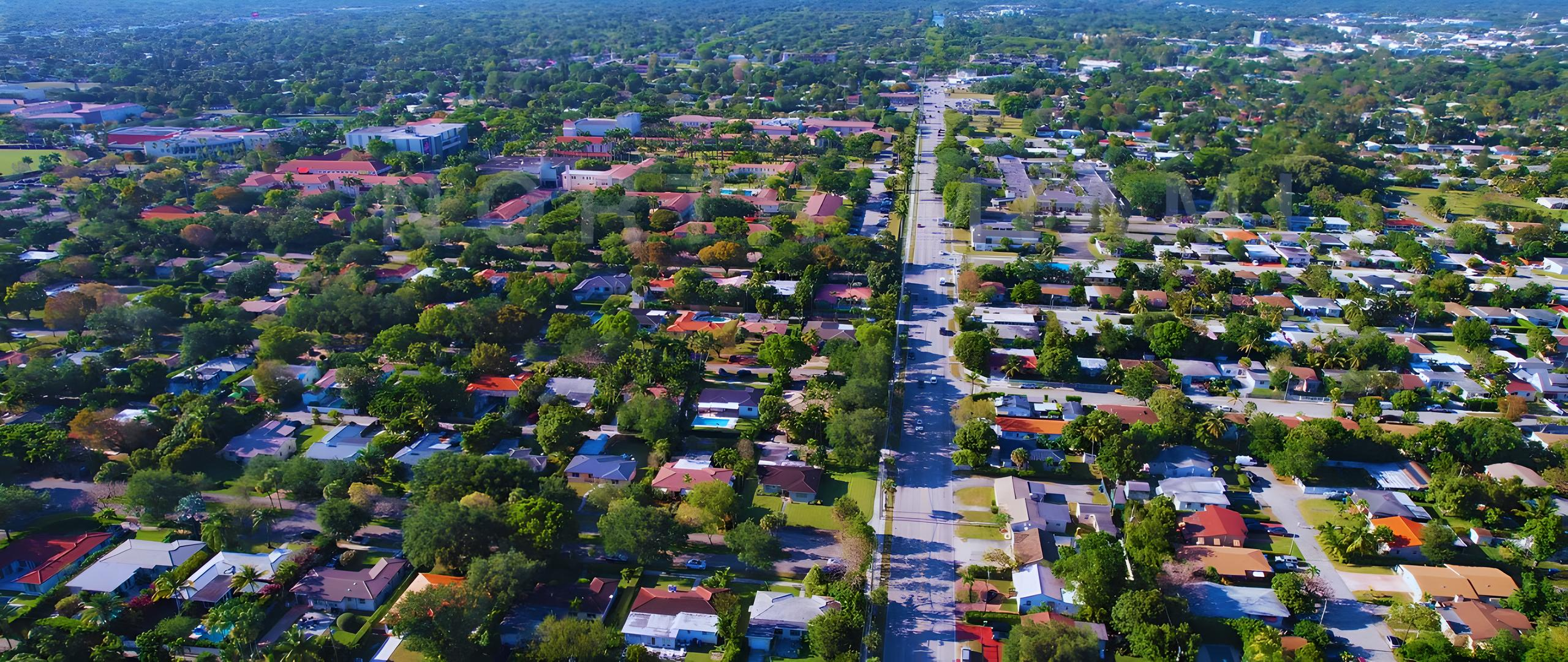%20(35)-fotor-20240530174816.png)
North Miami, Miami, Florida - EVERYTHING You Want to Know
Hop on this virtual journey across the best of North Miami. By the time you're throug...
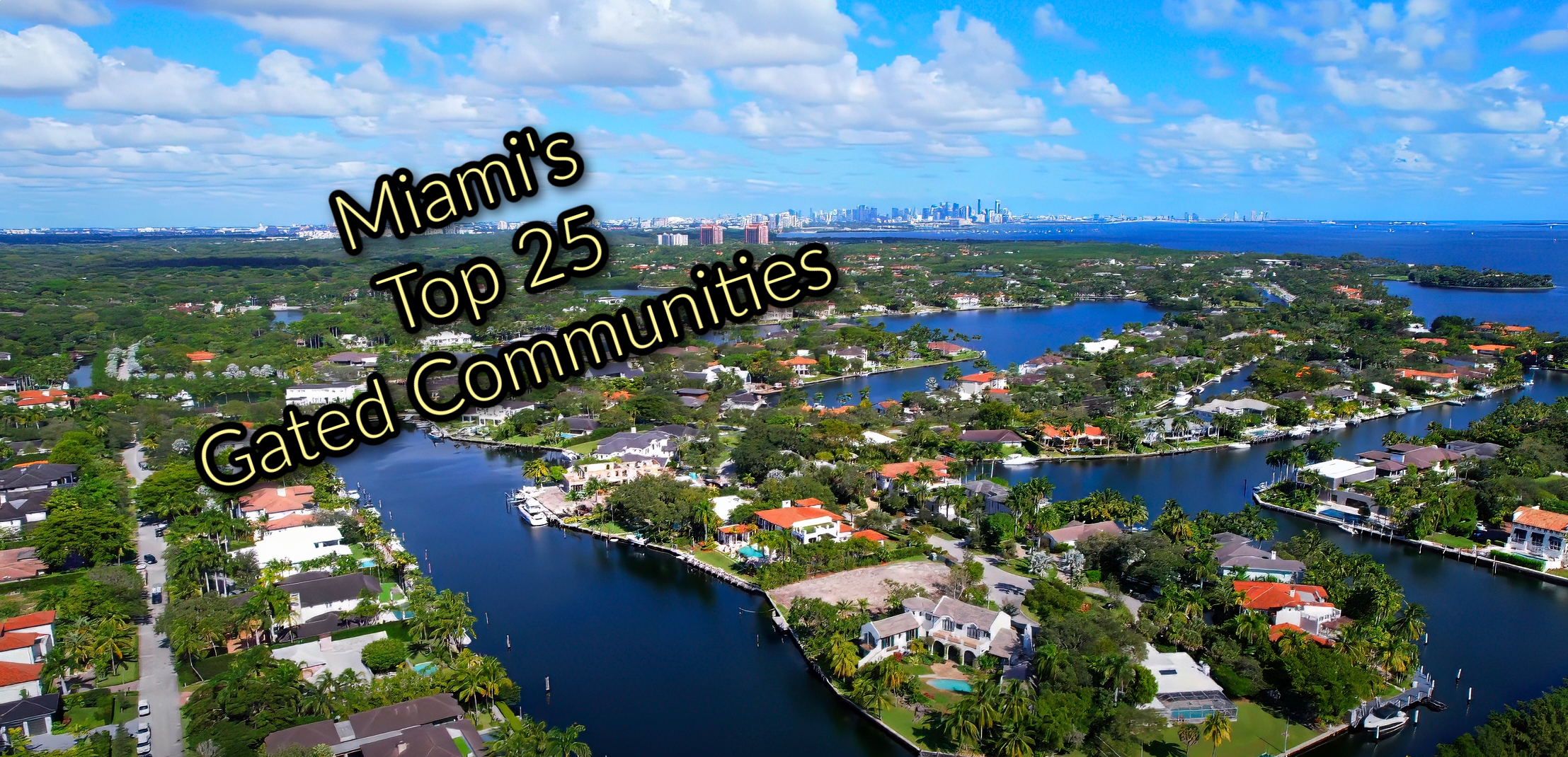.png)
The Ultimate Guide to Miami-Dade's Top 25 Gated Communities for Single-Family Homes
Discover Miami's top gated communities in this essential guide for luxury home buyers...


Miami's BEST Restaurants in EVERY Neighborhood
Check out the absolute BEST restaurants in every neighborhood of Miami, including the best...
Selling Your Home?
Who are we?
We are the ALL IN Miami Group out of Miami.
We are Colombian, Filipino, Cuban, German, Japanese, French, Indian, Syrian, and American.
We are Christian, Hindu, and Jewish.
We are many, but we are one.
We sell luxury homes in Miami, Florida.
Although some of our clients are celebrities, athletes, and people you read about online, we also help young adults find their first place to rent when they are ready to live on their own.
First-time buyers?
All the time!
No matter what your situation or price range is, we feel truly blessed and honored to play such a big part in your life.