



Who Lives in Midtown? (It's Not Who You Think!)

Amit Bhuta
I use non-traditional marketing to inspire the most motivated buyers to pay the max for Miami luxury homes...
I use non-traditional marketing to inspire the most motivated buyers to pay the max for Miami luxury homes...
Midtown Miami is just a giant luxury playground for remote workers with espresso machines, tiny dogs, and suspiciously expensive studio apartments.
At least, that’s the image the neighborhood has built for itself over the years.
Between the rooftop pools, influencer brunches, gym selfies, Trader Joe’s grocery runs, and residents paying premium rent to live directly above the same stores they shop at every single day, Midtown has become the poster child for “main character energy” in Miami.
And if you have ever sat in Midtown traffic while somebody on an electric scooter nearly clipped your bumper before disappearing into a luxury apartment lobby with a green juice in hand, you probably understand why the stereotypes exist.
From the outside, the neighborhood can absolutely look like all aesthetics and no actual soul.
But maybe, just maybe, Midtown works because of its convenience.
For people who want walkability, newer buildings, easy access to Wynwood, the Design District, Downtown, and Brickell, plus the ability to grab groceries, coffee, dinner, and a workout without moving their car twelve times a day, Midtown is more than its bougie apartments and social-media-friendly reputation.
To them, being able to survive without planning your entire day around traffic is already a luxury by itself — especially in Miami.
So… who exactly is choosing Midtown?
Here are the seven types of buyers you’ll meet in Midtown.
 (8).png?w=1140)
1) The Anti-Commute Society
They didn't choose Midtown for the schools or waterfront views.
As a matter of fact, their entire personality changed after realizing they could buy toothpaste, groceries, coffee, dinner, and a birthday gift without sitting in Miami traffic for forty-five minutes.
The Anti-Commute Society usually falls between their late 20s and mid-40s, and this group is heavily made up of professionals, hybrid workers, entrepreneurs, healthcare workers, creatives, and dual-income couples who reached their breaking point with commuting culture.
At some point, they got tired of planning their entire lives around I-95, random bridge openings, construction detours, and emotionally devastating parking situations.
So they moved somewhere where life functions faster.
These buyers usually gravitate toward modern condos and mixed-use buildings near Midtown Boulevard or its retail-heavy core because convenience matters more to them than massive square footage.
A sleek one-bedroom with walkability will almost always beat a giant suburban house that requires three separate U-turns to buy oat milk.
Many of them still work long hours, but living in Midtown allows them to compress their lives into a smaller radius.
That changes everything psychologically.
When errands stop feeling like tactical missions, people suddenly have more time for workouts, dinners, friendships, hobbies, and basic happiness.
For them, Midtown’s greatest luxury is not the rooftop pool.
It is reclaiming hours of their life back from Miami traffic.
 (9).png?w=1140)
2) The Rooftop WiFi Freelancers
You'll find them at approximately 11:14 in the morning, somewhere in Midtown, answering emails beside a rooftop pool while pretending they are “taking a quick break.”
Usually between their mid-20s and late 30s, this group includes remote workers, freelancers, startup employees, content creators, consultants, designers, and people whose LinkedIn profiles contain words like “creative strategist” and “brand storytelling.”
Midtown attracts them because the neighborhood feels optimized for flexible living.
The cafés have WiFi.
The condos have coworking lounges.
The gyms are downstairs.
The social life is nearby.
And the overall environment creates the illusion that everyone is simultaneously productive and slightly on vacation.
Which, to be fair, is exactly the lifestyle many of these residents want and need.
They usually prefer newer high-rise condos with modern finishes, strong amenities, floor-to-ceiling windows, rooftop lounges, and spaces that photograph well enough to appear in Zoom backgrounds.
A surprising number of them moved to Midtown, thinking they would “save money compared to Brickell” before discovering that convenience has its own expensive little personality.
Still, Midtown works incredibly well for this group because it supports fluid routines.
People can work odd hours, socialize easily, walk almost everywhere, and maintain a city lifestyle without needing the hyper-corporate atmosphere that sometimes makes Brickell feel like LinkedIn became a neighborhood.
For these buyers, Midtown feels social without demanding constant performance.
Well… most of the time.
 (10).png?w=1140)
3) The Brickell Burnout Survivors
The relationship usually starts the same way.
At first, living in Brickell feels exciting.
Until one day, you spend twenty-three minutes trying to exit a parking garage as three luxury cars aggressively block each other for absolutely no reason, and suddenly your nervous system begins craving Midtown instead.
The Brickell Burnout Survivors are often professionals in their 30s to early 50s who still want urban energy, luxury condos, good restaurants, nightlife access, and proximity to the city’s business hubs but no longer want to feel swallowed alive by Brickell’s pace.
Many work in finance, tech, law, medicine, real estate, or upper-management roles and initially assumed Brickell would be their forever neighborhood.
Then reality happened.
Midtown became appealing to them because it still feels urban, connected, and noticeably less corporate, less vertical, less congested, and emotionally easier to navigate daily.
This group tends to target upscale condos with strong amenities, larger layouts, better parking, and quick access to both Downtown and Miami Beach without living directly inside the financial district pressure cooker.
They still enjoy city life.
They still like rooftop drinks and trendy restaurants.
They just no longer want every grocery trip to feel like a competitive sport.
Midtown gives them enough stimulation to stay entertained while removing enough friction to keep them sane.
For many of these buyers, that balance feels surprisingly difficult to leave once they experience it.
 (11).png?w=1140)
4) The Tiny Dog, Big Rent Association
If you spend enough time in Midtown, you will eventually notice that some dogs there have better social calendars than actual humans.
This buyer group usually ranges from their late 20s to mid-40s, comprising young professionals, couples without children, remote workers, and socially active residents who structured their lives around urban condo living and pet-friendly convenience.
And yes, their dogs are absolutely part of the real estate decision-making process.
These buyers actively prioritize walkability, green spaces, pet-friendly buildings, nearby grooming services, outdoor dining, and neighborhoods where walking a dog does not require loading them into a car first.
Many choose amenity-heavy condo towers with dog parks, pet spas, larger balconies, and enough nearby sidewalks to make multiple daily walks manageable without turning into logistical warfare.
Midtown fits this demographic extremely well because the neighborhood supports morning coffee walks, midday dog walks, quick grocery stops, evening restaurant plans, and late-night ice cream runs that accidentally become another dog walk.
Everything exists within a small enough radius that their day-to-day feels efficient instead of exhausting.
And while outsiders sometimes joke that Midtown residents treat their dogs like children, many people would probably argue that their dogs are significantly less stressful than actual children.
Financially, too.
 (12).png?w=1140)
5) The Passive Income Picassos
Not everybody walks through Midtown imagining where their couch will go.
Some people walk through Midtown mentally calculating rental demand before they even leave the lobby.
The Passive Income Picassos are usually investors between their 30s and 60s, including local investors, international buyers, experienced landlords, and financially analytical professionals who recognize Midtown’s unusually strong renter appeal almost immediately.
To this group, Midtown checks a lot of important boxes at once.
Central location.
Walkability.
Newer buildings.
Young professional tenant pool.
Strong lifestyle appeal.
Easy access to Wynwood, Downtown, the Design District, Miami Beach, and Brickell.
In investor "language," Midtown behaves like a neighborhood that can market itself.
Many of these buyers target modern condos with flexible layouts, strong building amenities, low-maintenance interiors, and proximity to retail because they know renters heavily prioritize convenience and lifestyle access.
Some never even plan to live there full-time themselves.
Others purchase units now with the intention of using them later, while tenants quietly help cover ownership costs in the meantime.
And while this group can sound extremely numbers-driven, many of them secretly enjoy Midtown’s energy too.
It is much easier to market a property when the neighborhood is already active, social, and desirable in its own right.
Midtown may not work emotionally for every buyer, but financially, it makes a dangerous amount of sense to people who understand Miami’s rental market.
 (13).png?w=1140)
6) The No-Hurricane-Shutters-Please Crowd
There is a certain type of buyer who walks into a newly built condo, sees floor-to-ceiling windows, modern appliances, clean finishes, and functioning amenities, and immediately thinks, “Perfect. I never want to renovate anything ever again.”
That is this group.
Usually between their early 30s and late 50s, these buyers prioritize modernity, convenience, lower-maintenance living, and buildings that do not come with thirty years of deferred repairs hiding behind the walls like emotional trauma.
Many are professionals, busy couples, downsizers from older homes, or buyers relocating from cities where newer construction and vertical living are already normalized.
Midtown attracts them heavily because, compared to many older Miami neighborhoods, Midtown offers a larger concentration of newer condo inventory with updated layouts, stronger amenities, structured parking, modern security systems, and less renovation uncertainty.
These buyers often prefer sleek high-rises with gyms, coworking spaces, smart-home features, resort-style pools, and layouts designed around modern lifestyles over oddly shaped rooms built in 1974 for reasons nobody understands anymore.
A lot of them genuinely do not want “projects.”
They want functionality.
They want convenience.
And they want the freedom to travel, work, socialize, and live without constantly managing property maintenance.
To this group, Midtown represents a cleaner, easier version of Miami living that feels urban without becoming overwhelmingly complicated.
 (14).png?w=1140)
7) The “Everything Is Downstairs” Enthusiasts
And then there are Midtown residents who become emotionally attached to the idea that absolutely everything they need exists within three blocks of their building.
This group usually ranges from their late 20s to early 50s and includes social professionals, busy couples, extroverts, entrepreneurs, transplant friend groups, and highly active residents whose schedules revolve around accessibility.
They chose Midtown because the neighborhood removes friction from everyday life.
Dinner plans become easier, coffee runs become shorter, meeting friends becomes simpler, errands become walkable, and spontaneous plans become realistic instead of requiring a forty-minute GPS negotiation with Miami traffic.
These buyers often prefer centrally located condos directly within Midtown’s retail-heavy core because proximity itself is part of the lifestyle they are purchasing.
Some barely use their kitchens despite owning beautiful kitchens.
Others accidentally spend half their salary downstairs because “I was only going out for one thing” somehow turns into shopping bags, cocktails, sushi, and candles by sunset.
Midtown is especially addictive to this group because the neighborhood creates momentum.
There is always movement, always activity, always somewhere nearby to go.
And while critics sometimes describe Midtown as overly curated, residents in this category usually hear those complaints and think, “Exactly. That is why I moved here.”
SO… WHO IS MIDTOWN REALLY FOR?
Those who are tired of spending half their lives inside their car and would genuinely pay more money for convenience than for more square footage that they barely use
Midtown is perfect for people who treat accessibility as a quality-of-life issue instead of a bonus feature.
These are buyers who want Miami to feel efficient.
People who enjoy being able to grab coffee, groceries, dinner, gym sessions, drinks, and basic errands without turning every small task into a full strategic operation involving traffic apps, parking garages, emotional resilience, and at least one unnecessary U-turn.
Most Midtown residents are also at a very specific stage of adulthood where convenience is more attractive than “space for the future.”
They would rather have a modern condo with strong amenities, walkability, and a central location than a giant house thirty-five minutes away from the places they spend time in.
And while outsiders sometimes joke that Midtown residents are “paying luxury prices to live above stores,” the people who live there understand the deeper trade-off they are making.
They are buying time, flexibility, easier routines, spontaneous plans, shorter commutes, and a lifestyle where leaving the house no longer feels like preparing for battle against Miami traffic.
Midtown also works extremely well for socially active people who enjoy being surrounded by motion and energy.
This is not a neighborhood built around isolation or stillness, but momentum.
There is usually somewhere to go, someone nearby, something open, something happening, or at minimum, somebody walking a dog that costs more than your first laptop.
And for many buyers, that constant accessibility makes daily life feel connected and alive.
WHO MIGHT NOT LOVE IT?
Easily overstimulated people who need peace, privacy, large homes, quiet streets, or emotional distance from crowds
Midtown is one of those neighborhoods that can be exhausting if you do not naturally enjoy movement around you.
Here, even when nothing dramatic is happening, the area still feels active.
People are outside.
Cars are moving.
Restaurants are full.
Delivery drivers are everywhere.
Somebody is always carrying shopping bags, walking a dog, filming content, heading to brunch, or aggressively searching for parking while pretending to stay calm.
For buyers who dream of silence, huge backyards, privacy, slower routines, or neighborhoods where people wave at each other from driveways instead of passing each other in elevators, Midtown may feel too dense and too socially forward long term.
The neighborhood can also disappoint buyers who expect deep historic charm or strong old-Miami character.
Midtown is newer, more curated, and intentionally designed around convenience and mixed-use living.
That appeals strongly to some people and feels emotionally sterile to others.
And financially, Midtown requires a certain mindset, too.
You are often paying premium prices for location, accessibility, newer construction, and lifestyle efficiency rather than maximum square footage.
For buyers who prioritize space above all else, that math may never fully feel worth it.
But for the people who thrive in Midtown, the trade-off usually feels obvious the moment they realize they can walk downstairs for coffee instead of spending forty minutes trying to park somewhere first.
THE PART THAT MATTERS
Why Midtown works for the people who choose it
Midtown is a neighborhood that understands modern city living better than many places in Miami do.
It's not trying to sell residents a fantasy of escaping the city completely, but a version of city life that feels manageable.
You see, most Miami neighborhoods are beautiful in theory but exhausting in practice.
You drive everywhere.
Parking becomes a personality disorder.
Simple errands somehow consume entire afternoons.
And eventually, you start planning your life around avoiding traffic instead of enjoying where you live.
Midtown flips that equation.
People move there because they want life to feel closer together.
Not just geographically, but mentally too.
There is something deeply addictive about walking downstairs and having half your day already within reach — coffee, dinner, your friends, the groceries, your favorite gym, and even your overpriced impulse purchases (unfortunately).
And while outsiders sometimes mock Midtown for feeling overly curated or “too influencer-friendly,” residents often realize that convenience creates freedom in ways they did not expect.
When daily life becomes easier to navigate, people suddenly become more social, more spontaneous, and, honestly, less irritated all the time.
That is why Midtown attracts so many people who initially planned to stay “temporarily” before accidentally renewing leases, buying condos, and emotionally attaching themselves to the neighborhood’s routines.
The area also works because it sits in one of Miami's most strategically connected parts.
Residents can reach Wynwood, the Design District, Downtown, Edgewater, Miami Beach, and even Brickell relatively quickly without living inside any of those environments.
That flexibility becomes incredibly valuable for people who want options without committing their entire identity to one scene.
And perhaps most importantly, Midtown understands the modern luxury many urban buyers secretly care about most: reducing friction.
Not everybody wants a mansion.
Some people want a lifestyle where grabbing toothpaste does not require a tactical parking strategy and emotional recovery afterward.
%20(31)-fotor-20240530123157.png)
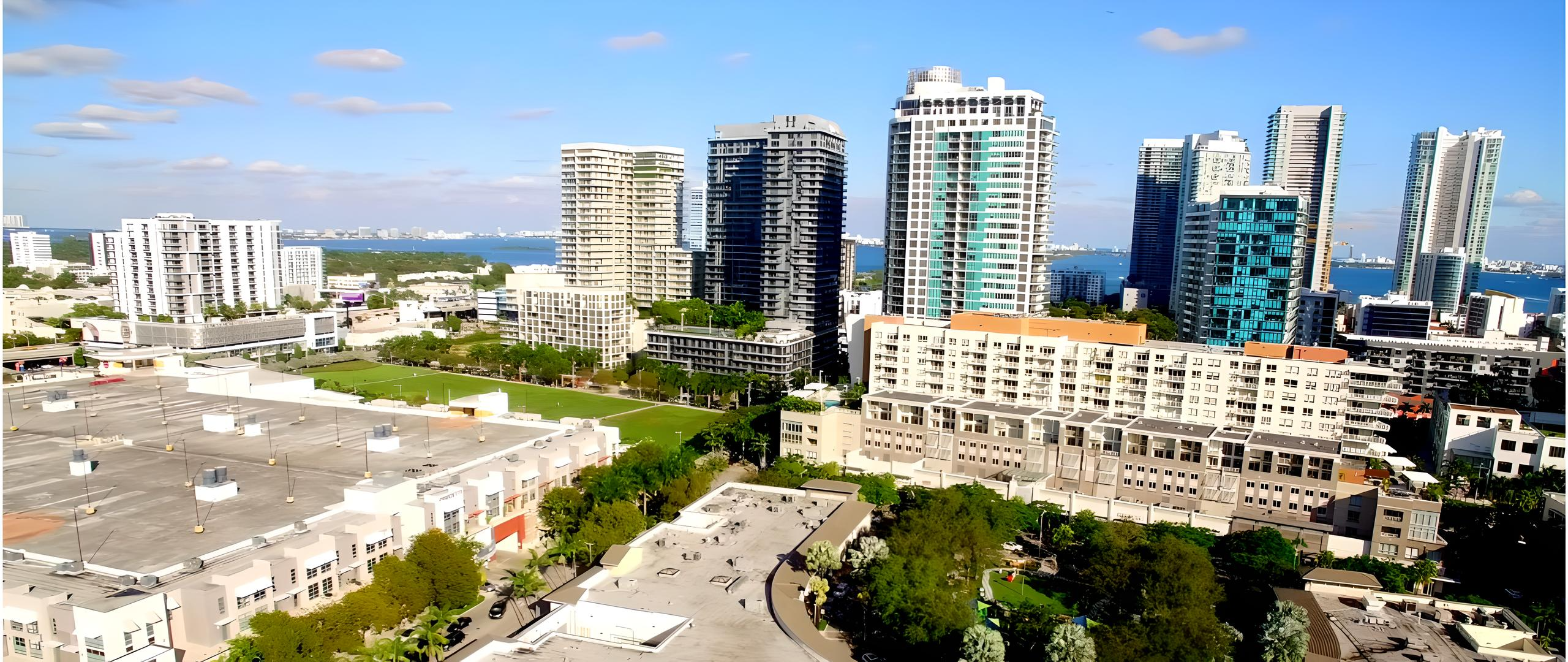
Midtown, Miami, Florida - EVERYTHING You Want to Know
Embark on this virtual journey through all the irresistible corners of Midtown! By the end...
.png)
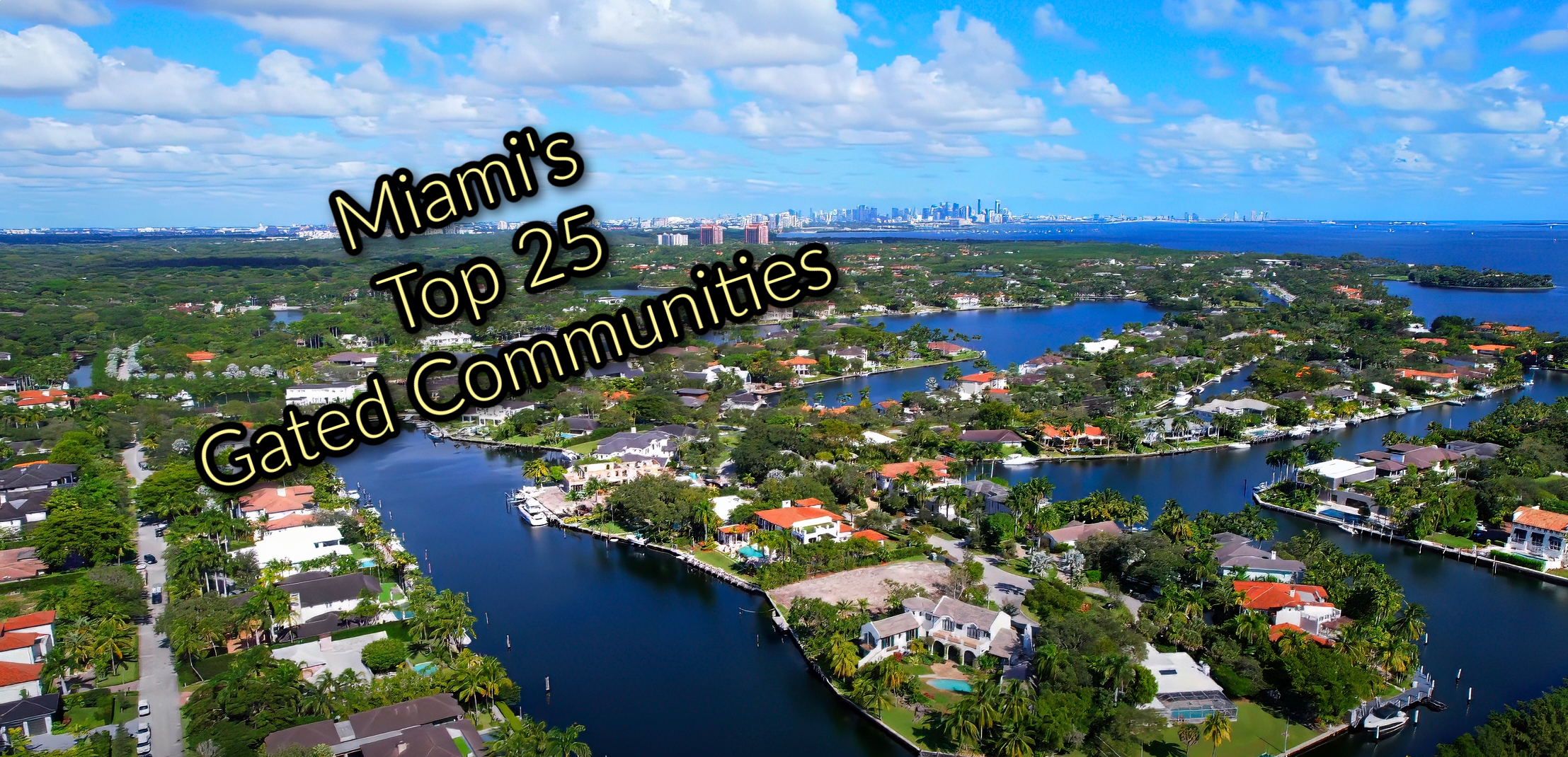
The Ultimate Guide to Miami-Dade's Top 25 Gated Communities for Single-Family Homes
Discover Miami's top gated communities in this essential guide for luxury home buyers...


Miami's BEST Restaurants in EVERY Neighborhood
Check out the absolute BEST restaurants in every neighborhood of Miami, including the best...
Selling Your Home?
Who are we?
We are the ALL IN Miami Group out of Miami.
We are Colombian, Filipino, Cuban, German, Japanese, French, Indian, Syrian, and American.
We are Christian, Hindu, and Jewish.
We are many, but we are one.
We sell luxury homes in Miami, Florida.
Although some of our clients are celebrities, athletes, and people you read about online, we also help young adults find their first place to rent when they are ready to live on their own.
First-time buyers?
All the time!
No matter what your situation or price range is, we feel truly blessed and honored to play such a big part in your life.