



Who Lives in the Design District? (It's Not Who You Think!)

Amit Bhuta
I use non-traditional marketing to inspire the most motivated buyers to pay the max for Miami luxury homes...
I use non-traditional marketing to inspire the most motivated buyers to pay the max for Miami luxury homes...
You go to the Design District, walk past designer storefronts, maybe grab dinner at a fancy restaurant — and at no point do you think, “I could live here.”
Or, so you thought.
Some people actually visit the Design District and never leave.
Maybe some of them planned it, but most of them just realized that the idea of having everything within reach isn't enough for just a few days.
The coffee run that turns into a relaxing walk.
The spontaneous dinner plans.
A random Tuesday feels just as put-together as a weekend getaway.
So, instead of treating the Design District like a travel destination, it becomes a place to move through in their eyes — daily, casually, without thinking twice.
Yes, Design District isn't “livable” in the traditional sense.
It doesn’t check the usual boxes.
It offers something else entirely — something built around access, design, and energy that doesn’t run out.
And some people wouldn't have it any other way.
Here are the five types of buyers you’ll meet in the Design District.
 (7).png?w=1140)
1) The “I’m Not Driving” Crowd
People sitting in traffic, circling for parking, or realizing their entire day revolves around getting in and out of their car, have developed this mindset over time, and they're finally doing something about it.
This group, typically in their mid-20s to late 30s, has decided they’re done with that version of living, not gradually or eventually — immediately.
The Design District works because it flips their daily routine.
The coffee is just downstairs, and dinner is only a short walk.
Even plans don’t require coordination—they just happen.
They’re not looking for more space or quieter streets.
They want less friction between what they want to do and actually doing it.
You’ll usually find them in modern condos or loft-style units, often prioritizing location within the district over square footage.
If it means stepping out and already being where things are happening, they’re in.
 (8).png?w=1140)
2) Aesthetic-First Buyers
While most people chase after function, some people choose a home based on layout, and they're unapologetic.
In fact, the Aesthetic-First buyers choose their homes based on how they feel the second they walk in.
Usually in the late 20s to early 40s range, they’re highly tuned into design — materials, lighting, architecture, even how a street looks at different times of day.
The Design District isn’t just appealing — it’s aligned.
The buildings, storefronts, and public spaces all feel intentional, and that matters more to them than having extra rooms they won’t use.
They gravitate toward high-design residences, boutique condos, or units with strong architectural identity, where the space reflects the same level of curation they see outside.
For them, living in the Design District isn’t about convenience.
It’s about being surrounded by an environment that their taste approves of at every level.
 (9).png?w=1140)
3) The “Plans Are Within 5 Minutes” Set
They don’t want to make plans the way most people do.
They're done with “What are we doing tonight?” followed by a 30-minute drive.
Instead, they want to step outside and decide in real time.
This group tends to fall in the mid-20s to mid-30s range, often social, spontaneous, and deeply plugged into what’s happening around them.
The Design District works because it compresses everything into proximity.
Restaurants, bars, galleries, events—it’s all within reach, and more importantly, it’s constantly changing just enough to keep things interesting.
They typically look for condos or apartments that place them directly within the walkable core, even if that means sacrificing space or traditional “home” features.
For them, the Design District is their living room.
 (10).png?w=1140)
4) Culture Chasers
They’re not in the Design District for the convenience — they’re here because it’s stimulating.
This group, usually in their late 20s to early 40s, tends to orbit creative industries — design, fashion, media, art — or at the very least, they engage with those worlds regularly.
The Design District gives them something most neighborhoods don’t: a constant layer of visual and cultural input.
Public art installations, rotating displays, brand activations, events — it's not static but evolves just enough to keep their attention.
They’re drawn to modern residences or loft-style units with open layouts, spaces that feel flexible and reflective of their lifestyle.
For them, living in the Design District isn’t about checking boxes but about staying close to the kind of energy that keeps them inspired.
 (11).png?w=1140)
5) The “This Is My Scene” Types
Then, there are people who visit the Design District and feel like they already belong.
Usually in the late 20s to mid-40s range, they’re highly aware of how their environment reflects their lifestyle — and they choose accordingly.
It’s not just about luxury or convenience.
It’s about alignment.
The brands, the aesthetic, the pace, the people — it all matches how they already see themselves living.
They tend to look for sleek condos or high-end units that mirror that same polished, curated feel, often prioritizing finishes, views, and overall presentation.
For them, the decision is less analytical and more instinctive.
The Design District just fits.
SO… WHO IS THE DESIGN DISTRICT REALLY FOR?
Those who don’t separate their life into “home” and “going out”
For some people, home is where things slow down.
For others, it’s just where the day starts.
The Design District caters to the second group perfectly.
It's where you live if you like stepping out and already being in it without transition, build-up, or planning around distance.
Here, your morning coffee doesn’t feel like a task.
Dinner isn’t something you schedule but something you decide in the moment.
Even errands don’t feel like errands when everything is within a few blocks and designed to be part of the same experience.
There’s a certain fluidity to life in the Design District.
Nothing feels separate.
Work, social life, downtime — they all overlap in a way that either feels effortless or completely exhausting, depending on who you are.
For the people it works for, that overlap is their goal.
WHO MIGHT NOT LOVE IT?
Those who need a clear “off switch”
Not everyone wants their surroundings to feel active all the time.
Some people want a visible shift between being out and being home—a door that closes on everything else.
That’s harder to find in this 18-block community.
The Design District doesn’t really dial itself down.
It stays visually busy, socially active, and constantly in motion, even when you’re not part of it.
And while that energy draws people in, it can also make it harder to disconnect from it completely.
There’s also the reality of how space is used.
Here, homes aren’t about retreat — they’re about placement.
You’re choosing to be in the middle of something, which means you’re also giving up a certain level of distance from it.
For some buyers, that feels exciting, but it makes others feel like there’s nowhere to step back to.
THE PART THAT MATTERS
Why the Design District works for the people who choose it
The decision to live in the Design District usually clicks all at once.
Not slowly, not over time—just a moment where everything lines up and the idea of residing anywhere else becomes slightly inconvenient.
You see, once you’ve experienced what it’s like to have everything within reach, it’s hard to go back to planning your day around distance.
Here, things don’t require effort in the same way.
You don’t think about how to get somewhere—you just go.
And that small shift ends up changing more than expected.
Time feels different, your decisions feel lighter, and even routine stops feeling repetitive when your surroundings are constantly giving you something to engage with, whether you planned for it or not.
It’s not about having more—it’s about having immediate access to what you already enjoy.
Once that becomes your baseline, everything else starts to feel like a step removed from how you’d rather be living.
That’s why the people who choose the Design District don’t usually describe it in practical terms.
They don’t talk about square footage or long-term planning first.
They talk about how easy everything feels once they’re there.
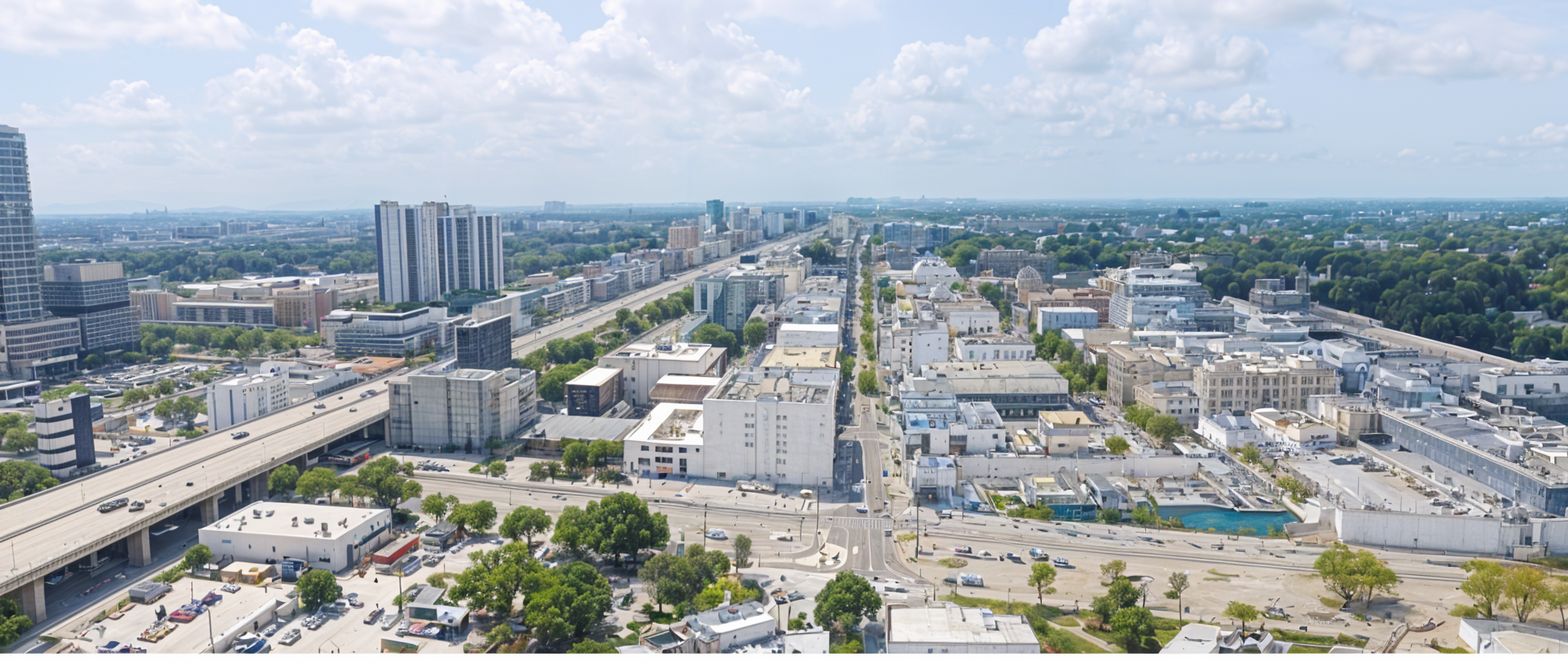
Design District, Miami, Florida - EVERYTHING You Want to Know
Buckle up and join our unmatched virtual journey through the BEST of the Miami Design Dis...
.png)
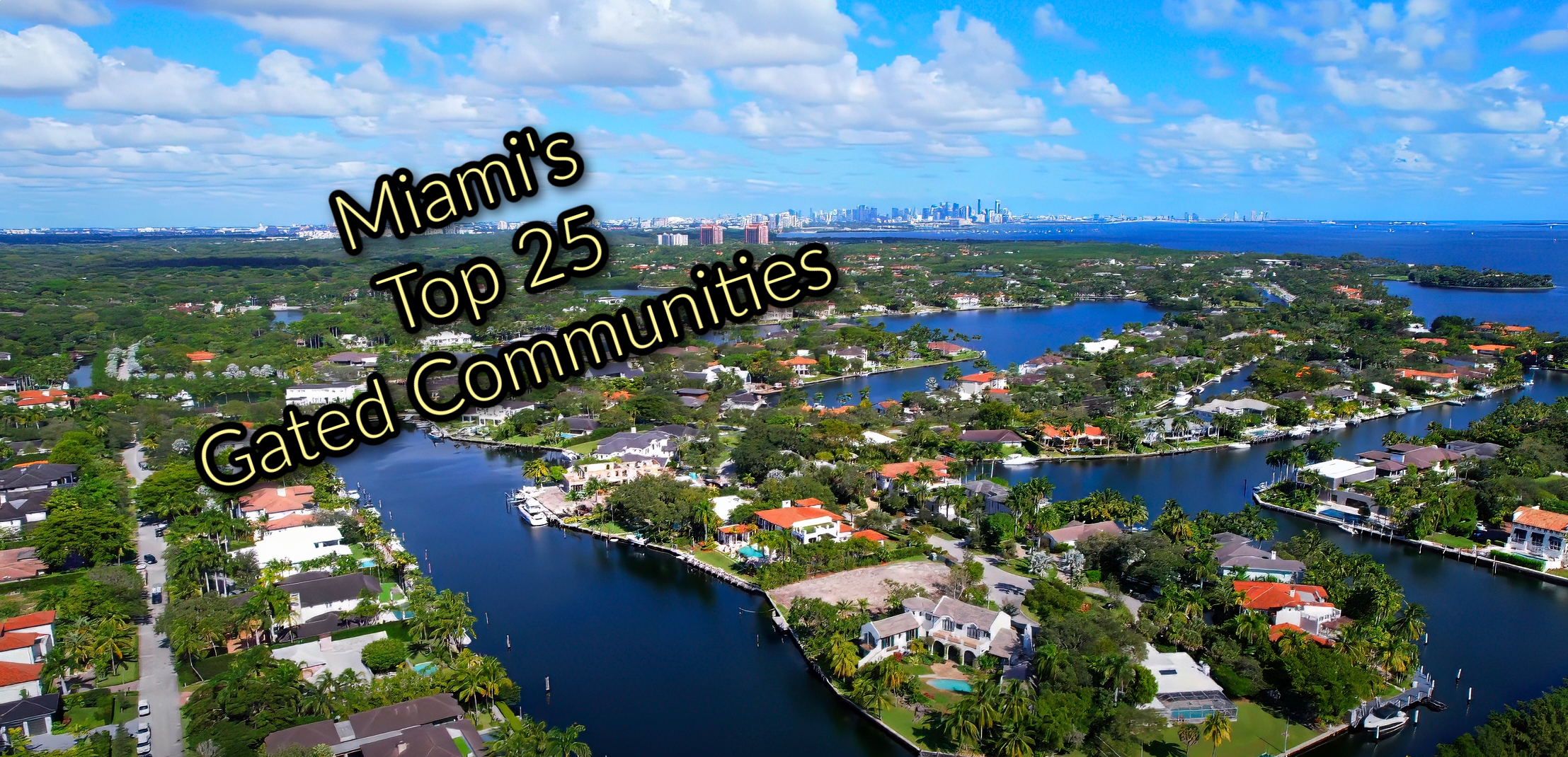
The Ultimate Guide to Miami-Dade's Top 25 Gated Communities for Single-Family Homes
Discover Miami's top gated communities in this essential guide for luxury home buyers...


Miami's BEST Restaurants in EVERY Neighborhood
Check out the absolute BEST restaurants in every neighborhood of Miami, including the best...
Selling Your Home?
Who are we?
We are the ALL IN Miami Group out of Miami.
We are Colombian, Filipino, Cuban, German, Japanese, French, Indian, Syrian, and American.
We are Christian, Hindu, and Jewish.
We are many, but we are one.
We sell luxury homes in Miami, Florida.
Although some of our clients are celebrities, athletes, and people you read about online, we also help young adults find their first place to rent when they are ready to live on their own.
First-time buyers?
All the time!
No matter what your situation or price range is, we feel truly blessed and honored to play such a big part in your life.