



Who Lives in Palmetto Estates? (It's Not Who You Think!)

Amit Bhuta
I use non-traditional marketing to inspire the most motivated buyers to pay the max for Miami luxury homes...
I use non-traditional marketing to inspire the most motivated buyers to pay the max for Miami luxury homes...
Attached to older homes, quieter streets, and a southern Miami-Dade ZIP code, Palmetto Estates’ reputation arrived long before many buyers did.
They say Palmetto Estates is transitional.
A backup plan.
A community people buy into when the neighborhood they wanted first came with another $200,000 and an HOA that thinks it runs a small government.
They say ambitious buyers eventually leave, and that purchasing in Palmetto Estates means trading preference for affordability — settling first, upgrading later.
Yet with households staying for decades, families growing up a few streets from where their relatives live, and buyers returning on purpose, this story is starting to sound incomplete by the second.
You see, neighborhoods where people remain for 15, 20, or sometimes 30 years or more rarely survive on compromise alone.
These multigenerational households, practical homeowners, longtime locals, and buyers deliberately choose larger lots and more peaceful surroundings over prestige.
Some are chasing stability after years of rising rents.
Others want enough yard space so family gatherings no longer require folding tables in the driveway.
And almost all of them are done impressing strangers with a ZIP code and want relatives ten minutes away when life gets expensive, chaotic, or both.
Palmetto Estates buyers are not settling.
They are filtering calm over busy, familiarity over status, space over optics, and long-term practicality over neighborhoods designed to look impressive in relocation guides.
And if you recognize yourself in these buyer types, maybe you should, too.
Here are the five types of buyers you’ll meet in Palmetto Estates.
 (2).png?w=1140)
1) The “My Cousin Lives Five Minutes Away” Club
Not every home search starts with school ratings, commute times, or return-on-investment spreadsheets.
Sometimes it starts with, “My mom is nearby,” “My sister can pick up the kids if work runs late,” or “I already know half the people on this side of town.”
These buyers are often in their late 20s to mid-40s, though many are older adults returning closer to relatives after years away.
They are usually young families, couples with small children, single parents rebuilding stability, or adults who spent enough time doing everything alone and decided independence is overrated when someone can bring soup during flu season.
The assumption outsiders make is that buyers choosing neighborhoods near family just cannot afford a trendier city.
That explanation sounds neat until you realize convenience has value, too.
Childcare has value. Familiarity has value. Knowing who to call when your car battery dies has value. Free emotional support with occasional unsolicited life advice also counts, depending on the relative.
This group tends to prefer single-family homes with three or more bedrooms, practical driveways, modest yards, and layouts where relatives can visit without everyone balancing paper plates on their knees.
Older homes in Palmetto Estates appeal to them more than polished newer builds if it means more interior space or remaining near their existing support system.
They are not always looking for luxury finishes.
They are looking for a life that runs more smoothly.
Somewhere where the grocery store already feels familiar.
Where family birthdays do not require crossing half the county.
Parents age, children grow, emergencies happen, and suddenly living twenty minutes closer becomes more important than having the most impressive ZIP code at dinner parties.
Many of these buyers are deeply practical, but they rarely describe themselves that way.
They say things like, “We just wanted to stay close,” as if proximity has nothing to do with stress, finances, parenting, aging relatives, or maintaining cultural traditions that quietly depend on everybody being nearby.
Palmetto Estates attracts more of these buyers than people expect because some residents are not trying to build distance from where they came from.
They are trying to build stability around it.
 (3).png?w=1140)
2) The Operation: Fit Three Generations & Two Extra Cars Gang
Some households shop for homes the way event planners organize seating charts.
Who needs a downstairs bedroom?
Who works early?
Which relative stays over often enough to (unofficially) reside with them?
Are two cars realistic, or is five the honest answer no one wants to admit during budgeting?
These buyers are commonly in their mid-30s to late 50s, though the household itself spans toddlers to grandparents.
This is less of an age group and more of a living arrangement.
You will find adult children staying longer to save money, grandparents moving in, blended families, siblings helping siblings, or households where caregiving goes both ways.
They tend to favor larger single-family homes, older ranch-style properties, corner lots, homes with converted spaces, extra parking, wider driveways, and layouts with enough separation that everybody can coexist without arguing over thermostat settings every evening.
To them, an open concept is nice, and a fourth bedroom may save relationships.
People sometimes mistake these buyers for buyers who “settled.”
In reality, many are making highly strategic decisions because housing costs, caregiving responsibilities, and family structures changed long ago.
This group often calculates homes differently.
Not “Can we afford this?” but more like: “Can everybody function here for the next ten years?”
The answer matters because these households often plan in decades, not phases.
Palmetto Estates works for them because neighborhoods with older housing stock sometimes offer something newer communities struggle with: flexibility.
And flexibility becomes priceless when one house serves several generations at once.
 (4).png?w=1140)
3) The Finally-Logged-Into-Their-Mortgage Era Crew
The expression people make after checking South Florida housing prices for years can be described as part disbelief, exhaustion, and acceptance that adulthood arrived faster than homeownership did.
These buyers are usually in their late 30s through 50s, and many expected to buy much earlier in life.
Their careers took time, families happened, the rent climbed, and their priorities shifted.
Then, suddenly, they realized they were older than they imagined they would be when purchasing their first long-term home.
This group is not made up of inexperienced adults.
Ironically, they may be the most cautious buyers in the room.
They often want modest single-family homes, practical floor plans, properties with fewer cosmetic upgrades but better long-term potential, and neighborhoods that don't require lottery-level optimism to own a home.
Many spent years paying rent while watching friends buy earlier.
Enough time passes, and homeownership stops feeling exciting.
It starts feeling overdue, changing buyer behavior.
They ask detailed questions, read inspection reports carefully, and consider insurance, taxes, maintenance, and retirement at once.
Nothing about their purchase is casual because they waited too long for casual.
Palmetto Estates attracts some of these buyers because stability matters more than novelty once people reach this stage.
Indeed, prestige loses a surprising amount of power when someone finally wants permanence.
 (5).png?w=1140)
4) The Square Footage Opportunists
Some people stop being impressed by expensive ZIP codes around the same time they realize parking stress can ruin an entire evening.
These buyers are often mid-30s to early 60s, and they choose practicality over image.
Mind you, they are not making these choices because they have to.
They are making them because they genuinely prefer a lifestyle with more space, less crowding, and fewer daily inconveniences.
This group tends to ask uncomfortable questions while house hunting.
They wonder why paying significantly more should automatically mean accepting less storage, smaller yards, or tighter living arrangements.
They question why tiny lots, limited parking, and minimal breathing room are normal if alternatives still exist.
These buyers usually prefer larger single-family homes, wider lots, properties with actual yards, room for hobbies, outdoor cooking setups, workshops, pets, multiple vehicles, or space to exist comfortably without hearing neighbors through walls.
The funny thing is, outsiders sometimes interpret these preferences as a compromise.
Meanwhile, these buyers are enjoying lower density, more breathing room, and being able to host people without assigning folding chairs like event coordinators.
They are rarely motivated by status alone.
Instead, they prioritize convenience, comfort, quiet surroundings, and functionality since those qualities affect daily life far more than prestige does.
And once someone becomes attached to having enough room, manageable parking, and fewer environmental stressors, impressing strangers with a ZIP code loses urgency.
 (6).png?w=1140)
5) The “Bury Me Near My Mango Tree” Society
You know the homeowner who still remembers what the street looked like fifteen or twenty years ago?
The one who references former neighbors, old businesses, storms everybody remembers, and somehow knows which house changed owners before anyone else?
This is their category.
These buyers are typically late 40s through retirement age, though younger versions exist, too.
Their defining trait is not age, but permanence.
When they buy, many expect the property to remain part of their lives for a very long time, and sometimes, to remain part of their family’s story too.
They tend to prefer well-established single-family homes, mature lots, neighborhoods with longtime owners, and places where routines form naturally over the years rather than changing every few months.
These are not highly transactional buyers who view homes in their resale timelines or investment potential.
Their houses are often tied to birthdays, grandchildren, trees planted outside, holiday traditions, and ordinary versions of daily life that slowly gain meaning as time passes.
People tend to underestimate how powerful familiarity becomes over the years.
Eventually, staying somewhere is no longer a resistance to change.
Staying becomes a preference because familiarity starts to feel valuable in ways newer places cannot immediately replicate.
Palmetto Estates appears to attract more of these long-haul residents than outsiders expect, which explains why assumptions that this community is merely “transitional” have never been fully accepted.
Neighborhoods full of temporary residents rarely create this many homeowners who remain rooted for decades.
Places with deep roots usually did not become that way overnight.
They grew into them slowly, one family, one routine, and one mango tree at a time.
SO… WHO IS PALMETTO ESTATES REALLY FOR?
Buyers who prioritize familiarity, flexible living, and long-term stability more than prestige or constant change
Palmetto Estates works best for people who believe that convenience means something different than nightlife, novelty, or having the trendiest ZIP code attached to their address.
This neighborhood often attracts buyers who care about space, long-term stability, proximity to family, and homes that can adapt as life changes.
The person who thrives in this community may be raising children, helping aging parents, planning to buy once and stay awhile, or simply tired of feeling cramped in places where square footage disappears while monthly costs climb.
Buyers who appreciate single-family homes, wider lots, extra parking, mature neighborhoods, and routines that become familiar over time may see value in Palmetto Estates faster than someone chasing constant change.
This community also suits people who think ahead — the ones quietly calculating future caregiving responsibilities, wondering if parents may move in later, and those thinking about grandchildren before they exist, or whether hosting holidays without rearranging furniture into obstacle courses might eventually matter.
This is not always a neighborhood chosen for image.
It is often chosen for function, support systems, permanence, and the strange comfort that comes from recognizing familiar faces after years in the same place.
People who value those things may discover they care less about outside opinions than expected.
WHO MIGHT NOT LOVE IT?
Those chasing novelty, dense amenities, or status-driven neighborhoods
Not every buyer wants roots.
Some want momentum, and Palmetto Estates may feel slower to people who prioritize walkability, constant new development, luxury branding, highly curated communities, or neighborhoods where social life happens a few minutes from the front door.
Buyers seeking dense entertainment districts, polished master-planned environments, or heavily amenitized communities with resort-style features may struggle to connect with what it offers.
The neighborhood may also not appeal as strongly to people who enjoy frequent change or expect every surrounding area to evolve quickly.
Parts of Palmetto Estates feel established rather than newly packaged, and some people may find that more predictable than comforting.
Neither reaction is negative.
Similarly, buyers who strongly associate success with prestige-driven ZIP codes may continue comparing Palmetto Estates to neighborhoods designed around status signaling.
And comparison tends to make practical neighborhoods lose points in categories they were never trying to win.
That can be refreshing or disappointing, depending on what someone hoped homeownership would look like.
THE PART THAT MATTERS
Why Palmetto Estates works for the people who choose it
The interesting thing about Palmetto Estates is that many residents do not seem to stay by accident.
You see, neighborhoods that people merely tolerate usually develop different patterns than neighborhoods people intentionally remain in.
Palmetto Estates appears to hold onto buyers who value familiarity, flexibility, family support systems, larger household dynamics, and ownership that feels sustainable over decades rather than seasons.
For some households, success means a quieter street, relatives nearby, enough parking, and a home that changes with life.
For others, success means buying later than planned and finally reaching stability.
And for longtime owners, success may mean looking around years later and realizing that leaving never became necessary.
That does not make Palmetto Estates universally appealing.
Very few neighborhoods are.
What it does suggest is something more interesting: many people choosing Palmetto Estates are not compromising as often as outsiders assume.
They are prioritizing differently.
And neighborhoods built around different priorities keep residents longer than expected.
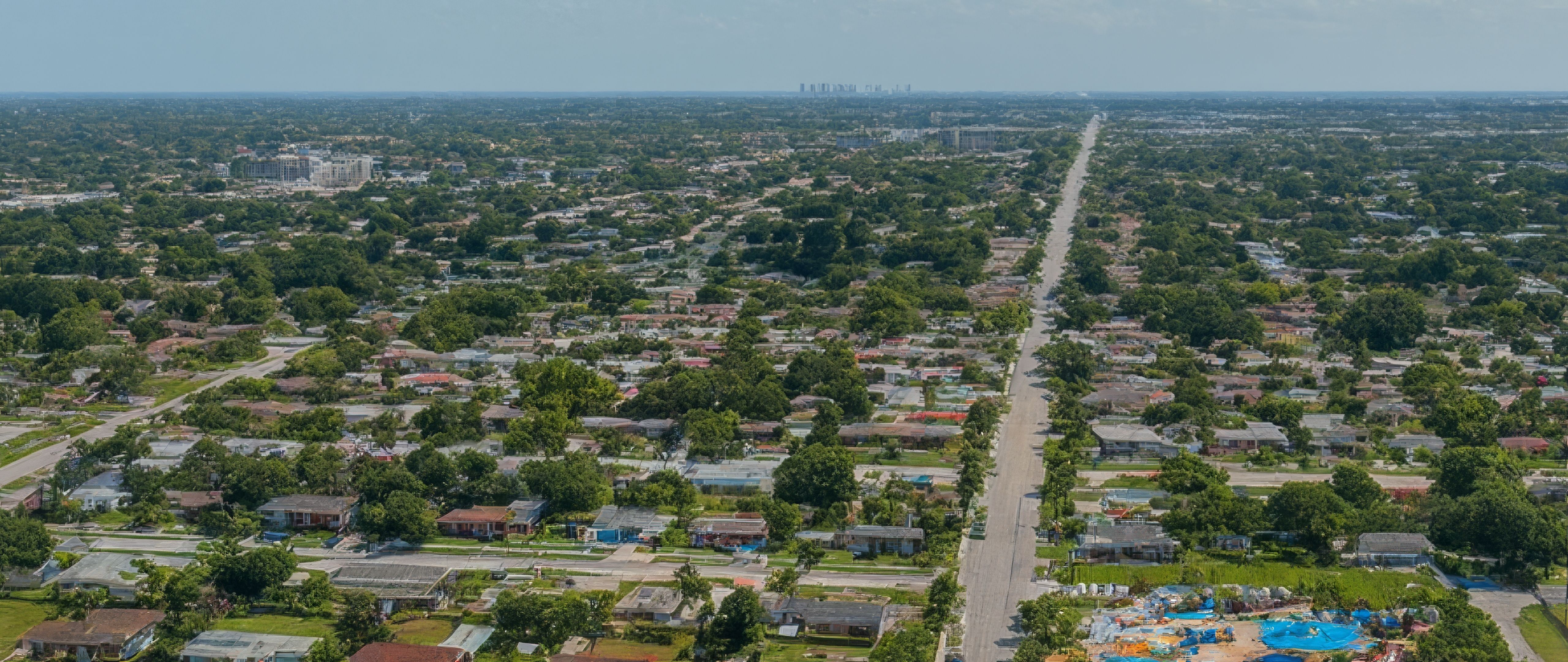
Palmetto Estates, Miami, Florida - EVERYTHING You Want to Know
Stick with us as we take a closer look at Palmetto Estates. There's more to this neig...
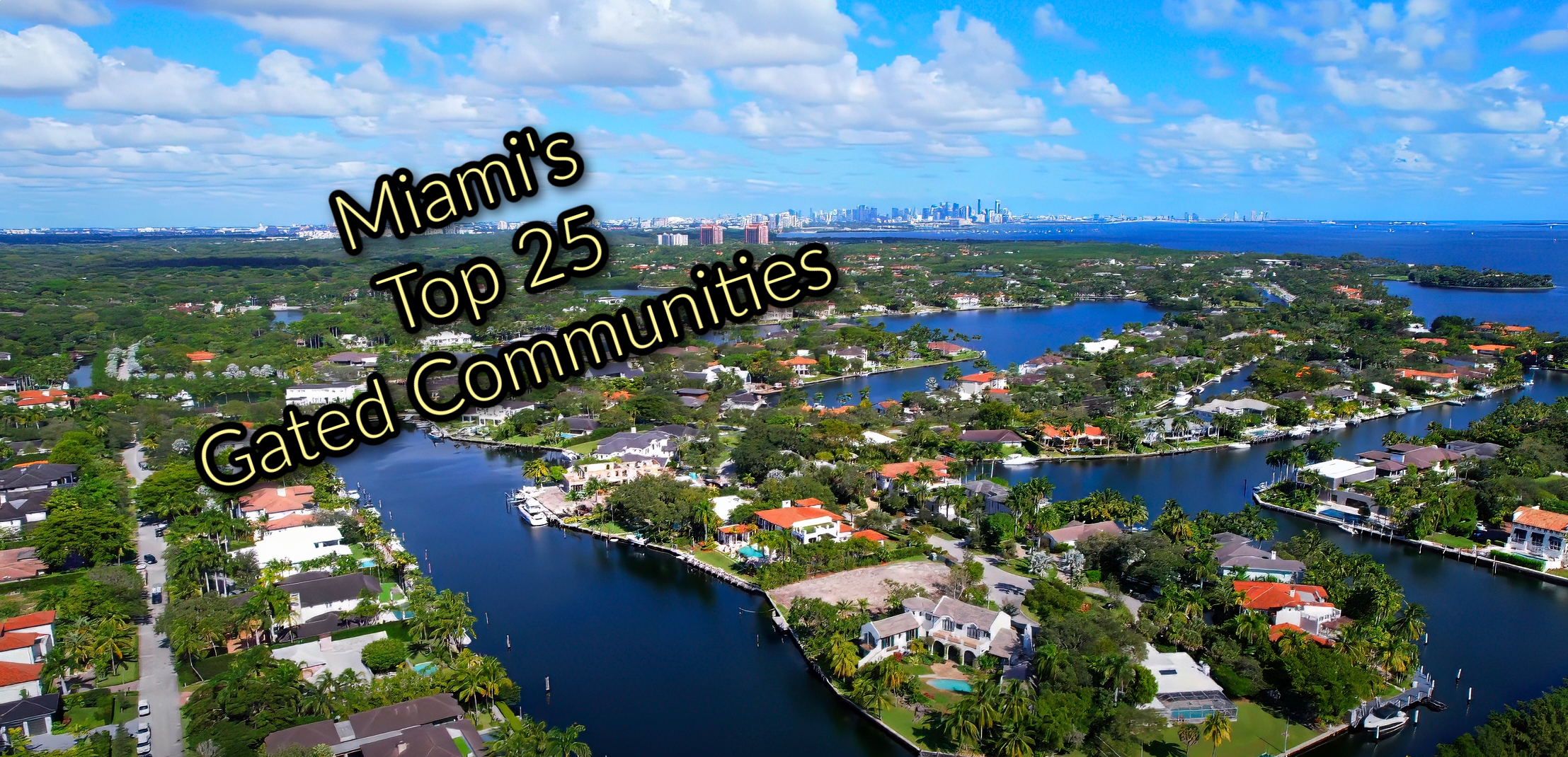.png)
The Ultimate Guide to Miami-Dade's Top 25 Gated Communities for Single-Family Homes
Discover Miami's top gated communities in this essential guide for luxury home buyers...

Miami's BEST Restaurants in EVERY Neighborhood
Check out the absolute BEST restaurants in every neighborhood of Miami, including the best...
Selling Your Home?
Who are we?
We are the ALL IN Miami Group out of Miami.
We are Colombian, Filipino, Cuban, German, Japanese, French, Indian, Syrian, and American.
We are Christian, Hindu, and Jewish.
We are many, but we are one.
We sell luxury homes in Miami, Florida.
Although some of our clients are celebrities, athletes, and people you read about online, we also help young adults find their first place to rent when they are ready to live on their own.
First-time buyers?
All the time!
No matter what your situation or price range is, we feel truly blessed and honored to play such a big part in your life.