



Who Lives in Morningside? (It's Not Who You Think!)

Amit Bhuta
I use non-traditional marketing to inspire the most motivated buyers to pay the max for Miami luxury homes...
I use non-traditional marketing to inspire the most motivated buyers to pay the max for Miami luxury homes...
Driving into Morningside feels a little like accidentally taking a wrong turn out of modern Miami.
One minute, you are surrounded by construction cranes, luxury towers, aggressive traffic, and somebody honking because the light stayed red for three seconds too long.
Then suddenly, everything slows down.
The roads get quieter.
The trees get bigger.
Historic homes begin appearing behind thick landscaping.
And at some point, a peacock casually walks across the street like it has lived there longer than everybody else combined.
This is Morningside — a neighborhood that may seem populated entirely by people who voluntarily use words like “preservation,” own hardcover books, and know all their neighbors, even without being forced into a Facebook group first.
But those who call Morningside home know it's nothing like the sleepy little neighborhood outsiders imagine it to be.
Here are the six types of buyers you’ll meet in Morningside.
 (16).png?w=1140)
1) The “I Need Walls With Personality” People
There is a very specific kind of buyer who walks into a sleek glass condo, stares at the perfectly white kitchen for thirty seconds, and immediately feels absolutely nothing.
Then they walk into a historic Morningside home with uneven hardwood floors, an old fireplace, strange little archways, and a front door that has clearly survived multiple decades of Miami humidity, and suddenly they are emotionally attached.
Usually in their early 30s to late 50s, these are buyers who work in creative industries, entrepreneurship, architecture, design, media, photography, or professions where individuality matters to them psychologically.
Cookie-cutter luxury does not impress this group very much.
If anything, identical high-rises make them feel mildly trapped.
They are usually drawn toward historic Mediterranean homes, renovated Old Miami properties, and houses with original details that still feel human underneath the upgrades.
Many willingly take on restoration projects because they genuinely enjoy preserving character instead of erasing it.
These are also the buyers who say things like, “The house has good energy,” before spending several million dollars because sunlight hits the dining room correctly at 4 PM.
And honestly? Morningside works perfectly for them because the neighborhood still feels visually alive.
The homes are different from each other.
The streets have texture.
The landscaping feels mature rather than freshly manufactured.
For this group, Morningside allows them a home with an actual pulse.
 (17).png?w=1140)
2) The Backyard Birthday Party Parents
Some families want giant suburban developments with identical houses and thirty-seven HOA rules about mailbox colors.
Others want their children to grow up somewhere connected to the city, with enough space to run around without hearing the nightclub bass in the distance every night.
That second group usually ends up looking very closely at Morningside.
These buyers are often in their late 30s to early 50s and include dual-income professionals, business owners, doctors, attorneys, creatives, and longtime Miami residents who are entering a more rooted phase of life.
They still enjoy being close to Miami’s restaurants, schools, cultural spots, and business districts, but they no longer want their home environment to feel overstimulating all the time.
Morningside appeals to them because it manages to feel calm without feeling isolated.
Many target larger historic homes with yards, pools, shaded outdoor spaces, guest rooms, and enough space to host family dinners, birthday parties, and children sprinting through sprinklers as somebody inevitably burns something near the grill.
And unlike buyers chasing hyper-modern luxury towers, these families often value emotional livability.
They want kids riding bikes safely.
Neighbors who recognize each other.
Tree-lined streets.
Homes that feel personal instead of temporary.
A surprising number of these buyers also secretly love that Morningside forces their children to go outside and touch actual grass occasionally instead of just staring at screens inside a luxury condo all day.
To them, Morningside is one of the few remaining places where family life and city life still coexist naturally.
 (18).png?w=1140)
3) The Hardwood Floor Historians
These are the people who become visibly emotional over original crown molding.
They are also the reason historic contractors in Miami continue receiving phone calls at unreasonable hours.
The Hardwood Floor Historians are usually between their late 30s and mid-60s, and they tend to approach homes almost like preservation projects disguised as real estate purchases.
Many are architects, attorneys, historians, creatives, preservation-minded professionals, or simply buyers who became deeply obsessed with old homes after spending too much time watching renovation videos online.
They are not looking for “perfect.”
In fact, homes that feel overly curated sometimes make them suspicious.
They want an original character.
Original windows.
Vintage details.
Historic layouts.
Maybe even a little imperfection if it means the home still feels authentic underneath the updates.
Morningside attracts this group because it remains one of the few Miami neighborhoods where historic architecture still feels protected rather than constantly being demolished for newer development.
Many buyers in this category specifically seek restored Mediterranean Revival homes, Mission-style properties, or carefully updated houses that maintain architectural integrity while adding modern functionality behind the scenes.
This is also the demographic most likely to say things like, “They just do not build homes like this anymore,” while staring emotionally at a staircase banister.
For these buyers, Morningside is not just beautiful.
It feels culturally important.
 (19).png?w=1140)
4) The Soft-Life Miami Members
At some point, many Miami residents reach their emotional limit with constant stimulation.
The traffic.
The noise.
The reservations.
The performative social scene.
The feeling that every restaurant turns into a nightclub after 9 PM.
That is usually when Morningside becomes their next best option.
The Soft-Life Miami Members, typically in their late 30s and early 60s, include professionals, entrepreneurs, creatives, executives, and longtime Miami residents who still enjoy the city socially but no longer want their daily lives built around chaos.
These buyers are not “retiring from fun.”
They are simply becoming more selective about where they spend their energy.
Many target beautifully renovated historic homes with lush landscaping, outdoor lounging spaces, pools, quiet patios, and interiors that feel calm rather than aggressively luxurious.
This group loves entertaining at home because they now genuinely prefer intimate dinner parties over fighting valet traffic beside rooftop lounges.
And while they still go out to restaurants, galleries, or events, they deeply appreciate returning home to streets that are shaded, peaceful, and emotionally slower afterward.
Morningside works well for them because the neighborhood separates them from Miami’s louder personality without disconnecting them from the city entirely.
It feels private without feeling isolated.
Sophisticated without trying too hard.
And perhaps most importantly, it allows residents to enjoy Miami without constantly performing the “Miami lifestyle” for everyone around them.
 (20).png?w=1140)
5) The Understated Flex Association
Nothing in Morningside is flashy, loud, and obnoxious, and it's exactly why this group loves it.
The Understated Flex Association is usually made up of affluent buyers in their 40s to 70s who have already reached a level of financial comfort where they're no longer emotionally obligated to prove anything publicly.
A lot of them are executives, investors, attorneys, business owners, second-generation wealth buyers, or people who became successful enough to realize true luxury usually gets quieter over time.
These buyers are often drawn to larger historic estates, impeccably renovated homes, waterfront-adjacent properties, and houses hidden behind mature landscaping where privacy becomes part of the prestige.
And unlike flashier luxury buyers elsewhere in Miami, this group is not chasing visibility.
If anything, they actively avoid it.
Their version of status is subtle — perfectly maintained landscaping, preserved architecture, quiet gated streets, and a house that does not need to scream “expensive” because everybody already understands it is.
Morningside appeals strongly to them because the neighborhood carries a very specific kind of old-Miami prestige that feels deeply different from high-rise luxury culture.
There is history there.
There is permanence there.
There is also a strong sense that people moved into the neighborhood because they genuinely wanted to live there, not because social media told them it was trending.
For this group, Morningside is elegant in a way that does not expire every six months.
 (21).png?w=1140)
6) The Peacock Porch Society
Some people move to neighborhoods for nightlife or investment potential.
These Morningside residents, on the other hand, are genuinely excited about things like morning walks, shaded porches, gardening, outdoor coffee, and hearing birds instead of traffic while drinking their first cup of the day.
The Peacock Porch Society, usually ranging from their mid-30s to early 70s, includes remote workers, semi-retired residents, creatives, longtime Miami locals, wellness-focused homeowners, and people who became deeply attached to slower routines after years of overstimulation elsewhere.
This group romanticizes neighborhood life in the best possible way.
They know their neighbors.
They walk regularly.
They spend time outdoors intentionally.
They care about landscaping.
And many enjoy the strange little ecosystem Morningside has built around itself over the years.
These buyers are usually drawn to homes with porches, outdoor entertaining spaces, mature gardens, tree-shaded lots, and enough greenery to shield them from the city surrounding it.
They also tend to value emotional comfort over trendiness.
That is a huge distinction.
For them, Morningside is exciting because it still feels personal.
And in modern Miami, that has become one of the rarest luxuries of all.
SO… WHO IS MORNINGSIDE REALLY FOR?
Those who are craving a version of Miami that is calm, rooted, and emotionally livable without giving up the city entirely
Morningside is a dream to those who are no longer impressed by loud luxury alone.
At some point, many buyers reach a stage where giant rooftop pools, endless valet lines, and hyper-modern condo towers stop feeling exciting and start feeling strangely exhausting instead.
That is usually when neighborhoods like Morningside begin making sense in a very emotional way.
Here, the people who thrive are those who look for permanence more than stimulation.
They want homes with individuality, streets with shade, and enough space to host friends comfortably, hear birds in the morning, walk their dogs without chaos around them, and occasionally recognize their neighbors without needing a resident app.
A lot of Morningside buyers also genuinely appreciate things that modern Miami increasingly struggles to preserve: mature landscaping, architectural character, slower routines, privacy, and homes that feel emotionally connected to the people living inside them.
This neighborhood especially works for buyers who still enjoy Miami socially but no longer want to feel consumed by its performance culture every single day.
They still go to dinner.
They still attend events.
They still enjoy the city.
They just enjoy returning home afterward without hearing somebody revving a Lamborghini beside a rooftop lounge at midnight.
And perhaps more than anything, Morningside attracts people who want their lives to feel a little more human again.
Less rushed.
Less performative.
Less emotionally noisy.
WHO MIGHT NOT LOVE IT?
Buyers who need constant stimulation, hyper-modern luxury, nonstop social energy, or immediate convenience
Morningside will not entertain you every five minutes.
There are no giant mixed-use towers downstairs with coffee shops, gyms, grocery stores, and six different places selling matcha within walking distance.
It moves more slowly on purpose, and that slower pace can feel either deeply relaxing or deeply frustrating, depending on the person.
Buyers who prioritize walkability above all else, thrive on constant nightlife energy, or want the newest luxury-everything may eventually find Morningside too quiet, too residential, or too emotionally detached from Miami’s faster lifestyle.
The area can also feel less appealing to people who strongly prefer turnkey modern living over historic homes with quirks, personality, and occasional maintenance surprises that arrive at the absolute worst possible time financially.
Yes, charming old homes are beautiful, but they are also still old homes.
And sometimes old homes wake up in the morning and decide plumbing is now your problem emotionally.
Morningside also requires buyers to appreciate subtlety.
The luxury is quieter.
The prestige is quieter.
The streets are quieter,
For people who enjoy neighborhoods that constantly feel energetic, trendy, crowded, and socially “on,” Morningside may initially feel almost too peaceful to connect with.
But for the buyers who do fall in love with it, that calmness usually becomes that one thing they never want to give up again.
THE PART THAT MATTERS
Why Morningside works for the people who choose it
One of the strangest things about Morningside is how quickly it changes people’s routines without them noticing at first.
Residents move, thinking they bought a beautiful historic home in a quiet neighborhood.
Then six months later, they suddenly care about native plants, wave at neighbors unprompted, and have extremely passionate opinions about tree canopy preservation for reasons they still cannot fully explain.
That is the effect Morningside tends to have on people.
The neighborhood slows life down in very subtle ways.
Not boring ways, but human ways.
Here, people spend more time outside, morning coffee lasts longer, dogs get walked more often, and dinner parties happen more frequently because homes actually feel designed for lingering rather than just sleeping between workdays.
Even the streets themselves feel different from much of Miami.
The shade changes everything psychologically.
The historic homes change everything visually.
And the absence of constant stimulation changes everything emotionally.
In many parts of Miami, residents eventually feel they are living in a city that constantly wants their attention.
Morningside feels like one of the few neighborhoods that does not demand anything from people once they get home.
That is why so many buyers become fiercely attached to it.
Not because it is the loudest neighborhood.
Not because it is the trendiest.
And definitely not because it tries the hardest to impress people.
Morningside works because it gives residents something unexpectedly difficult to find in Miami now: a calm life as the rest of the city speeds up around it.
%20(32)-fotor-20240530141650.png)
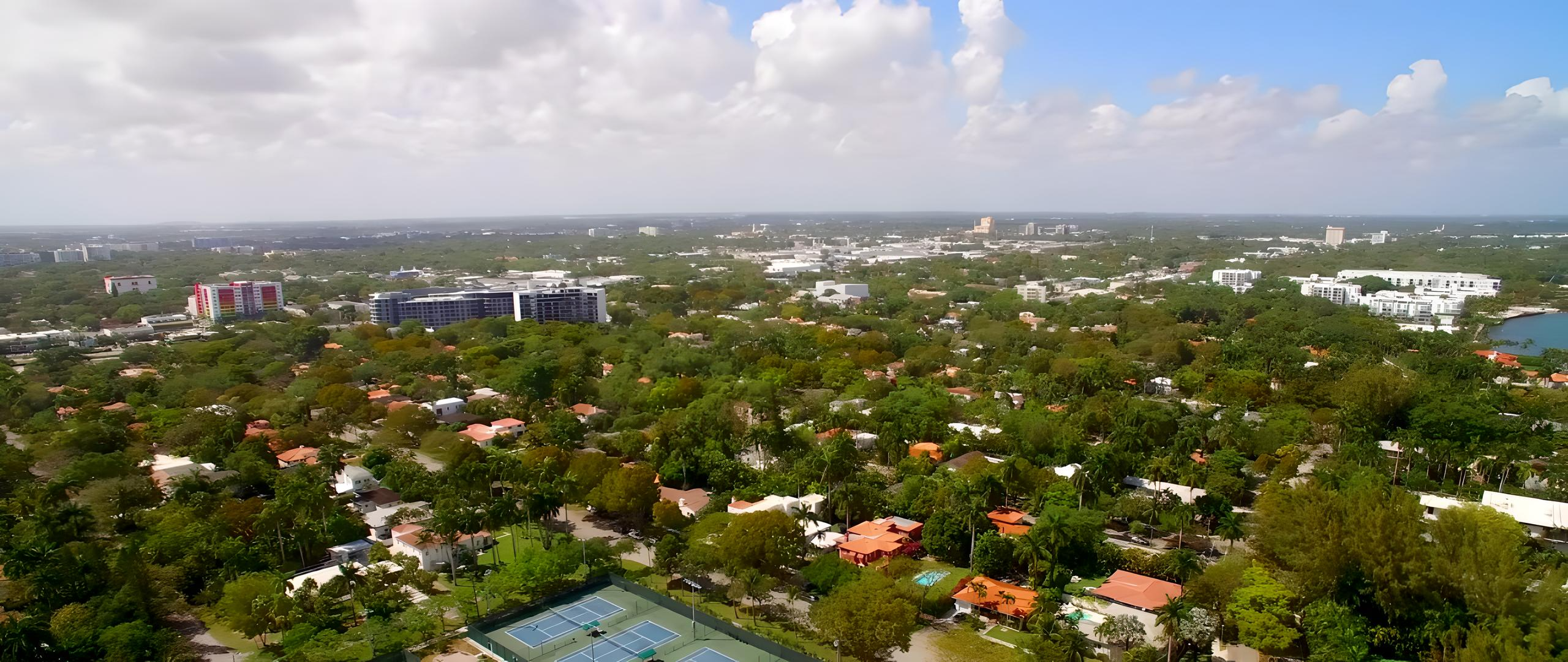
Morningside, Miami, Florida - EVERYTHING You Want to Know
Ride on our virtual cruise through all things Morningside. By the end of this guide, you&#...
.png)
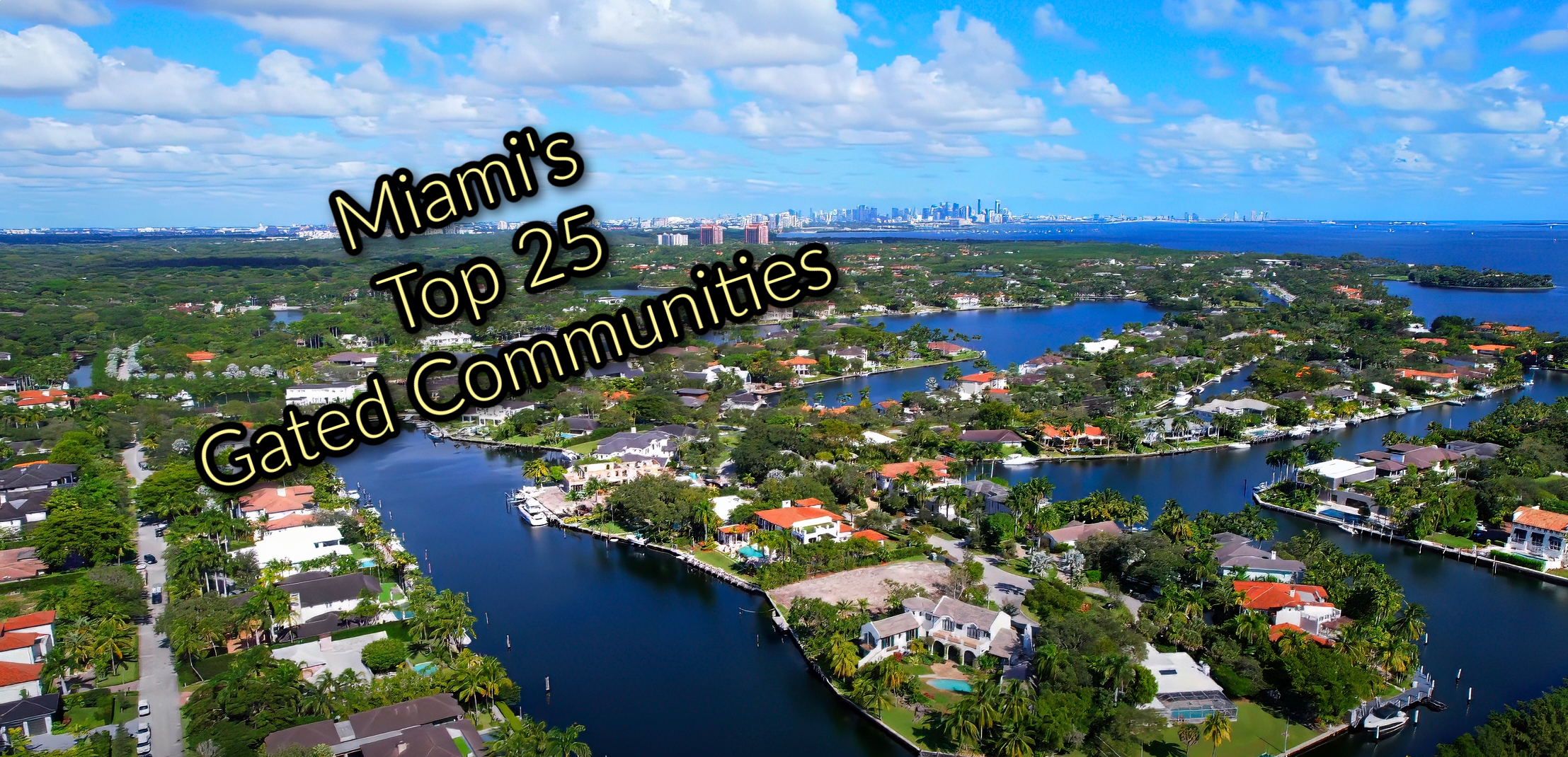
The Ultimate Guide to Miami-Dade's Top 25 Gated Communities for Single-Family Homes
Discover Miami's top gated communities in this essential guide for luxury home buyers...


Miami's BEST Restaurants in EVERY Neighborhood
Check out the absolute BEST restaurants in every neighborhood of Miami, including the best...
Selling Your Home?
Who are we?
We are the ALL IN Miami Group out of Miami.
We are Colombian, Filipino, Cuban, German, Japanese, French, Indian, Syrian, and American.
We are Christian, Hindu, and Jewish.
We are many, but we are one.
We sell luxury homes in Miami, Florida.
Although some of our clients are celebrities, athletes, and people you read about online, we also help young adults find their first place to rent when they are ready to live on their own.
First-time buyers?
All the time!
No matter what your situation or price range is, we feel truly blessed and honored to play such a big part in your life.