



What Nobody Tells You About Living in West Miami

Amit Bhuta
I use non-traditional marketing to inspire the most motivated buyers to pay the max for Miami luxury homes...
I use non-traditional marketing to inspire the most motivated buyers to pay the max for Miami luxury homes...
Welcome to West Miami, a tiny neighborhood with an energy that's surprisingly opinionated for a city you could walk across in twenty minutes.
It's peaceful, walkable, and refreshingly drama-free — the anti-Miami of Miami-Dade.
Here, you'll find the perfect in-between — close enough to Coral Gables to borrow the prestige, far enough to skip the price tag, with mature trees, low crime, and time that moves much more slowly included.
West Miami sounds like the postcard version of city living, filtered and framed just right.
The thing is, postcards never show you what's happening beyond the frame.
And West Miami has plenty happening outside of it.
Here are five things nobody tells you about living in West Miami.
 (15).png?w=1140)
1) Your City Hall Is Basically A Nosy Neighbor With a Badge
Needless to say, West Miami is small enough for local government to notice when the grass is getting ambitious.
Unlike the many Miami-Dade communities governed mainly through the county, West Miami has its own mayor, commission, police department, sanitation services, parks staff, building office, and code-enforcement team packed into less than one square mile.
That arrangement can make services feel more direct because complaints, permits, and neighborhood issues do not have to travel through the full county maze before reaching someone familiar with the street.
It also means the city has opinions about parking, garbage placement, commercial vehicles, noisy work, yard upkeep, fences, driveways, trees, and several other matters homeowners may have assumed were private family business.
A project as ordinary as replacing windows, changing a driveway, installing a shed, or repainting an exterior may require a permit or approval before the first trip to the hardware store.
The advantage is that neglected properties and obvious rule-breaking are less likely to disappear into a giant municipal inbox marked “pending since forever.”
The tradeoff is that West Miami does not offer much room for the philosophy of “Nobody will notice.”
City Hall is close, the rulebook is detailed, and code enforcement does not need a telescope to see the boat parked where the lawn used to be.
That hands-on government can help preserve tidy streets and a stable residential character, even when the attention feels (too) personal.
West Miami provides small-town service with Miami energy, which means help may come faster, but so might the reminder that the trash cans were supposed to be put inside yesterday.
 (16).png?w=1140)
2) You're 10 Minutes From Anywhere, 30 Minutes If There's Traffic (And There's Always Traffic)
West Miami sits between busy corridors such as SW 8th Street, Coral Way, and Red Road, so reaching different parts of central Miami-Dade can be easier than it is from neighborhoods farther south or west.
That location is one of West Miami’s strongest advantages because work, medical appointments, restaurants, shopping, and family obligations may point in completely different directions.
Unfortunately, the same roads that make the city accessible are also being used by everyone who has somewhere else to be.
A quick trip (during a quiet stretch of the day) can double in length when one intersection decides to process cars individually.
Public buses and local transportation add options, but West Miami isn't wrapped around a Metrorail station or designed for a complete car-free experience.
Some homes are also close enough to Miami International Airport to hear aircraft noise, though the volume varies by the exact block, flight schedules, weather, and house construction.
Interior streets can feel calm while traffic happens around the city’s edges, creating an odd experience where the destination is nearby but the final mile develops its own personality.
The location saves distance more reliably than it saves time.
West Miami puts a large part of Miami within reach, provided nobody asks the clock to make promises on a weekday afternoon.
 (17).png?w=1140)
3) Old Bones, New Paint, and a Paper Trail You Need to Chase Down
West Miami homes have been remodeled through enough design eras to qualify for a small museum grant.
An older house may now have impact windows, bright flooring, a larger kitchen, an enclosed patio, an extra bedroom, and absolutely no desire to explain when each improvement happened.
The established housing stock is part of the city’s appeal because it offers mature neighborhoods, practical lots, familiar layouts, and homes that do not all resemble the same computer-generated box.
Age, however, can bring older roofs, electrical systems, plumbing, drainage problems, insurance concerns, and additions whose legal history is less put-together than the new countertops.
Fresh paint can hide stains, but it cannot update an electrical panel through positive thinking.
West Miami requires permits for many improvements, which makes city records an essential part of understanding what was approved, inspected, altered, or never officially acknowledged.
Converted garages, enclosed terraces, driveway changes, sheds, fences, windows, and room additions deserve an in-depth review because extra space is less exciting when it cannot be insured, financed, or easily legalized.
The inspection should examine the physical house, while the permit search investigates the house’s biography.
Insurance quotes also belong early in the process because roof age, wiring, plumbing, openings, and previous claims can change the real monthly cost.
In West Miami, the renovation may look new, but the paperwork needs to confirm that the transformation involved more than optimism and a contractor who knew somebody.
 (18).png?w=1140)
4) It's Where 'New Neighbor' Still Means 'Someone's Cousin'
West Miami has the social scale of a place where introductions can turn into family-tree research before anyone reaches the front door.
The city is strongly Hispanic, heavily immigrant, and deeply shaped by Cuban and broader Latin American family life, with Spanish serving as part of the daily operating system rather than a special feature.
Government offices, neighborhood businesses, park programs, family gatherings, and casual sidewalk conversations are within a compact area where people cross paths repeatedly.
That closeness gives West Miami a community rhythm that larger cities often attempt to manufacture through festivals, branding campaigns, and banners nobody reads.
Here, familiarity can grow through school pickups, recreation programs, church connections, local businesses, city meetings, and relatives who already know which house is being discussed.
Multigenerational routines fit naturally into the city because grandparents, parents, children, cousins, and unofficial cousins may live nearby or pass through often.
A quiet block can still maintain a highly active information network, especially when a moving truck appears, a house goes up for sale, or someone starts replacing a fence without first briefing the audience.
This social warmth can make the city welcoming, but privacy may require more strategy than closing the blinds.
West Miami does not treat community as an abstract lifestyle benefit as it shows up in daily errands, local programs, familiar faces, and conversations conducted from driveway to driveway.
The city is small enough for newcomers to become known quickly and connected enough that someone may already know their relatives before learning their last name.
 (19).png?w=1140)
5) Peaceful Streets Now, Construction Cranes Later
West Miami’s residential core can feel pleasantly detached from the taller, busier Miami growing around it.
Many interior streets remain lined with single-family homes, low buildings, yards, and the visual calm of a city that has protected its smaller neighborhood scale for decades.
The edges are preparing for a different future.
Along major corridors such as SW 8th Street and Red Road, city planning rules allow denser housing, taller buildings, mixed uses, and commercial activity that would look dramatically different from the homes behind them.
That approach gives West Miami a way to add residents and investment without replacing every quiet block with an apartment building.
It can also place construction, delivery traffic, parking pressure, and larger buildings surprisingly close to streets that currently hear more lawn equipment than heavy machinery.
A low commercial property or aging strip center may appear permanent simply because it has looked the same for years, but zoning can support a far more ambitious replacement.
New development could bring updated storefronts, housing choices, improved sidewalks, and more customers for local businesses.
It could also change sunlight, traffic patterns, noise, views, and the sense of separation between the city’s calm interior and its busy borders.
West Miami’s challenge is not choosing between change and no change, but figuring out how many floors can rise along the edges before the streets behind them start noticing every one.
WHO GETS THE MOST OUT OF LIVING IN WEST MIAMI?
People who want a small city that remembers the details
West Miami works like a pocket-sized city with the memory of a family group chat.
Its streets are close to major parts of Miami, yet the city itself remains compact enough for local services, familiar faces, and neighborhood routines to register quickly.
City Hall is nearby, parks programs are local, sanitation is handled close to home, and complaints do not have to cross half the county before finding the right desk.
That closeness gives West Miami a practical charm that larger cities often bury under departments, districts, and phone menus with fourteen options.
The residential streets can offer a calmer setting while Coral Gables, the airport area, Downtown Miami, and major shopping corridors remain within reasonable reach.
Spanish is part of daily life, and not just saved for ordering cafecito.
Family connections, longtime neighbors, local businesses, and community programs give the city a social rhythm that feels established.
West Miami also suits households that appreciate older homes with personality and do not mind verifying whether the extra room has both walls and government approval.
The city rewards people who value local oversight, tidy streets, familiar surroundings, and being near most of central Miami without living in its busiest districts.
There is enough activity around the edges to keep daily needs close, while the interior can still provide the comfort of returning to a recognizable block.
West Miami makes the most sense when being known, connected, and centrally placed sounds better than being anonymous in a much larger ZIP code.
WHO MAY WANT TO KEEP LOOKING?
Anyone who prefers anonymity, loose rules, or a silent commute
West Miami is not the place to test how long a trash bin can remain at the curb before someone notices.
The city is small, organized, and involved enough that property upkeep, parking, permits, noise, and outdoor projects can attract attention faster than expected.
That oversight can protect the neighborhood’s appearance, but it may irritate anyone whose home-improvement philosophy begins with doing the work first and asking questions after the concrete dries.
With older housing stock also comes uncertainty, as fresh renovations can sit atop aging roofs, older pipes, dated electrical systems, or additions with complicated paperwork.
West Miami’s central location does not guarantee peaceful roads, either, because SW 8th Street, Coral Way, Red Road, and nearby airport traffic bring plenty of movement around the city.
A destination may be close enough to see on the map, while traffic adds enough time to reconsider whether the errand was necessary.
The city may also feel too socially close for someone who values complete privacy and prefers neighbors who cannot identify the family car from half a block away.
Future corridor development is another concern because taller buildings, new apartments, construction, and added traffic may appear near areas that currently look low and settled.
West Miami offers order and access, but both come with rules, road noise, and the occasional reminder that small cities notice things.
Anyone searching for total freedom, total quiet, and total anonymity may find that West Miami has already scheduled a meeting about all three.
AN HONEST TAKEAWAY
What living in West Miami really comes down to
West Miami is small enough to feel personal and central enough to remain connected to the larger city around it.
That combination allows the city to offer quiet residential streets, its own local government, strong Spanish-speaking community life, and access to major parts of Miami without placing every household inside a high-rise district.
It also comes with close oversight, (older) home research, traffic around the borders, and future development that may gradually change the city’s edges.
Nothing operates from a great distance.
City services, neighbors, busy roads, and the next construction proposal may also be closer than expected.
That compactness can make daily life efficient, familiar, and reassuring.
It can also make privacy, parking mishaps, and unpermitted projects harder to hide behind a large municipal system.
West Miami’s strongest quality is not glamour, novelty, or a dramatic skyline.
It is the ability to provide a recognizable community in the middle of a county that often feels too large, too busy, and several traffic lights longer than necessary.
To live here, you must ask yourself whether a small city with sharp eyes, deep roots, and excellent access sounds comforting or slightly too informed.
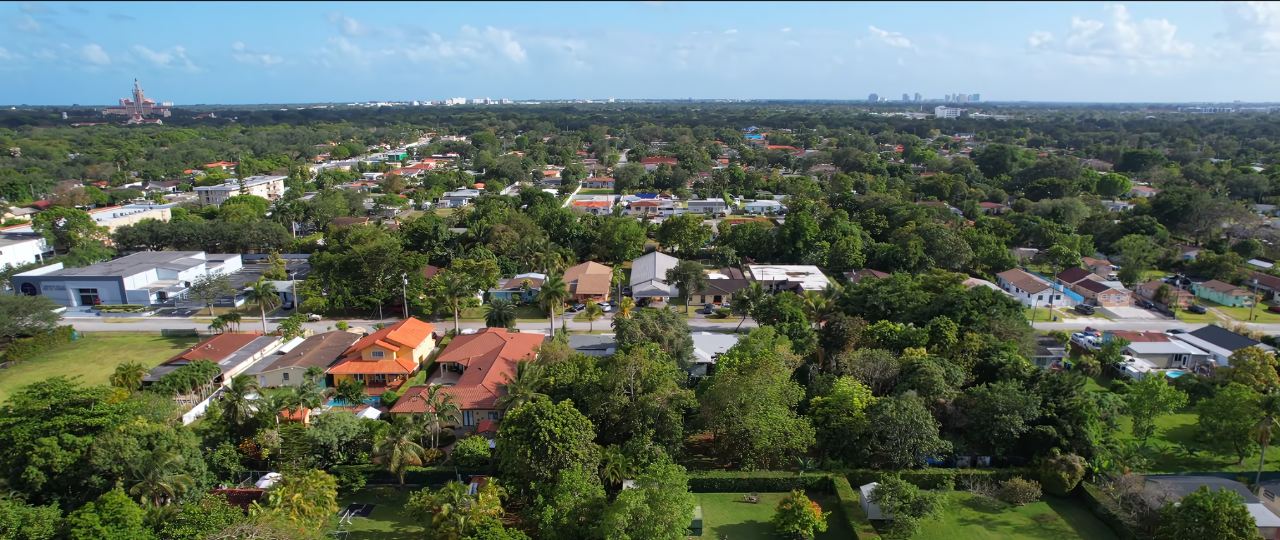%20(71).png)
West Miami, Miami, Florida - EVERYTHING You Want to Know
Prepare to be dazzled as we untangle the charming twists and turns of West Miami! We promi...
.png)
The Ultimate Guide to Miami-Dade's Top 25 Gated Communities for Single-Family Homes
Discover Miami's top gated communities in this essential guide for luxury home buyers...


Miami's BEST Restaurants in EVERY Neighborhood
Check out the absolute BEST restaurants in every neighborhood of Miami, including the best...
Selling Your Home?
Who are we?
We are the ALL IN Miami Group out of Miami.
We are Colombian, Filipino, Cuban, German, Japanese, French, Indian, Syrian, and American.
We are Christian, Hindu, and Jewish.
We are many, but we are one.
We sell luxury homes in Miami, Florida.
Although some of our clients are celebrities, athletes, and people you read about online, we also help young adults find their first place to rent when they are ready to live on their own.
First-time buyers?
All the time!
No matter what your situation or price range is, we feel truly blessed and honored to play such a big part in your life.