



What Nobody Tells You About Living in Sunset Harbour

Amit Bhuta
I use non-traditional marketing to inspire the most motivated buyers to pay the max for Miami luxury homes...
I use non-traditional marketing to inspire the most motivated buyers to pay the max for Miami luxury homes...
Sunset Harbour sits a few feet higher than the rest of Miami Beach, and locals will tell you that's basically a lottery win in this coastal resort city.
While their neighbors squelch through ankle-deep water every king tide season, Sunset Harbour residents stroll to brunch in dry sneakers, smug as cats.
But that's not their only "blessings" in life.
Here, they can buy oat milk lattes next to someone's leashed French bulldog wearing a raincoat nicer than theirs, have boutique gyms and Whole Foods within a stumbling distance, and bask in the general vibe of "we have our life together," in Miami's little utopia.
That elevation, though, comes with a decade of construction, detours, and a relationship with your car's suspension you never asked for.
And then some.
Here are six things nobody tells you about living in Sunset Harbour.
 (91).png?w=1140)
1) Everyone Else Found Your Walkable Paradise
Sunset Harbour offers the rare Miami Beach pleasure of completing several errands without turning the car into your best friend.
Groceries, coffee, workouts, beauty appointments, restaurants, parks, and household services sit close enough that the step counter may finally earn its salary.
Unfortunately, this information is no longer confidential.
The same compact mix that makes Sunset Harbour convenient for daily life also draws diners, shoppers, fitness clients, boaters, delivery drivers, and people who drove across Miami for a salad with Boho vibes.
City records describe the neighborhood as a close mixture of homes, restaurants, retail, services, and light-industrial uses, with some residences separated from commercial activity by little more than a street.
Morning activity can begin with workout classes and coffee runs before lunch crowds, delivery trucks, happy-hour arrivals, and dinner reservations take over the next shift.
The neighborhood is lively without becoming a nightclub district, partly because Miami Beach has limited uses that could overwhelm its residential side.
Parking is where the walkable fantasy meets everyone who did not walk there.
The Sunset Harbour municipal garage absorbs a large share of the demand, but monthly garage and lot permits currently have waiting lists across the city system.
Valet lines, rideshare pickups, loading activity, boat trailers, and drivers orbiting the block can make the street busier than the neighborhood’s storefronts suggest.
None of that ruins the convenience because living near useful places is still better than planning an expedition every time the refrigerator disappoints your cravings.
It simply means Sunset Harbour is not a hidden local secret where residents enjoy empty sidewalks and immediate parking.
The paradise is walkable, useful, and energetic, but everyone else has the address saved too.
 (92).png?w=1140)
2) Bay Views Only, Beach Body Optional
Sunset Harbour put “harbour” in the name and trusted everyone to notice.
The neighborhood faces Biscayne Bay rather than the Atlantic Ocean, so its waterfront revolves around marinas, sailboats, skyline views, paddleboards, and sunsets.
Maurice Gibb Memorial Park places a playground, boat ramp, kayak launch, fishing areas, and open bay views along the neighborhood’s western edge.
The setting invites evening walks, dog outings, picnics, boating, and the highly technical local sport of watching the sky turn orange while holding a beverage.
It does not place the ocean beach downstairs.
Reaching the Atlantic side still requires crossing Miami Beach, which is not a major journey but is enough to separate “I live near the water” from “I walked out wearing flip-flops and landed on the sand.”
That difference matters because bayfront living is calmer, more marina-focused, and less connected to the beach tourism rhythm found along Collins Avenue or Ocean Drive.
The water taxi from Maurice Gibb Memorial Park also connects Miami Beach with the mainland waterfront.
It is a useful and scenic option, although nobody should build an entire life around the assumption that every appointment will begin with a graceful boat arrival.
The bayfront location is perfect for anyone who values sunsets, boats, parks, and skyline views more than direct Atlantic access.
It also removes the strange pressure to act as if every ordinary Tuesday is part of a beach-resort campaign.
You can enjoy the waterfront without carrying chairs, umbrellas, towels, and enough snacks to establish a temporary municipality on the sand.
Sunset Harbour provides the scenery, and participation in beach-body culture remains completely optional.
 (93).png?w=1140)
3) The Streets Stay Dry, But Not Without a Fight
A dry road in Sunset Harbour has an entire engineering résumé behind it.
The neighborhood has a documented history of serious flooding, which led Miami Beach to invest in stormwater pumps, drainage rehabilitation, generators, seawall work, and elevated streets.
Those systems help move rainwater away and reduce the push of high tides through drainage infrastructure.
In other words, the street is not naturally winning its argument with Biscayne Bay.
Heavy rainfall, king tides, and low coastal elevations can still test the system, especially when several conditions come as one.
Pump stations need power, maintenance, inspections, and capacity to solve the chaos water will bring.
Road elevation added another layer because raising the public street can change how older sidewalks, garages, entrances, and private drainage systems connect to it.
A building may sit beside an improved roadway while still having a low garage opening or an awkward driveway transition left over from the neighborhood’s previous elevation.
Flood risk cannot be judged by one pleasant afternoon and confirming that nobody is kayaking through the intersection.
Owners still need to understand building elevation, garage exposure, insurance, drainage, generators, and what happens during extreme rain.
The infrastructure is a genuine improvement, not a decorative promise printed on a resilience brochure.
It also requires ongoing public spending and maintenance because the coast does not accept a completed project as permanent defeat.
Sunset Harbour’s streets can remain impressively dry, but beneath that calm surface, pumps and pipes are working a much less relaxing shift.
 (94).png?w=1140)
4) Ask About the Building Before You Fall for the Block
Sunset Harbour can win someone over before the elevator doors even open.
The neighborhood has restaurants, markets, parks, gyms, marinas, and bay views arranged so conveniently that the exact building may seem like a minor technical detail.
It is not.
A large waterfront tower with valet service, multiple elevators, full-time staff, and resort-style amenities creates a very different daily routine from a smaller building with self-parking, fewer shared spaces, and limited front-desk hours.
One address may make guest arrivals smooth, while another requires enough instructions to qualify as an onboarding document.
Package handling, bicycle storage, pet rules, moving procedures, contractor access, marina rights, and delivery systems can influence ordinary life more often than the rooftop view.
Commercial exposure matters too.
A unit facing a quiet internal courtyard will experience Sunset Harbour differently from one positioned above restaurant activity, loading areas, workout classes, or a road where morning deliveries begin before anyone has knocked their alarm clock over.
Rental activity also depends on the exact property rather than the neighborhood name, and Miami Beach’s authorized list includes specific Sunset Harbour addresses rather than granting blanket permission across the district.
That can produce a quieter long-term community in one building and more luggage, guest turnover, and front-desk questions in another.
Even parking changes the rhythm because assigned self-parking, tandem spaces, valet-only arrangements, and the municipal garage are not interchangeable conveniences.
A beautiful block cannot fix a lobby culture that feels too formal, an elevator system that tests patience, or a unit positioned directly above somebody’s 6 a.m. fitness commitment.
Sunset Harbour is easy to love as a neighborhood.
The smarter move is making sure the building does not turn that love into a complicated long-distance relationship conducted from the service elevator.
 (95).png?w=1140)
5) Pretty Kitchens Don't Cover Special Assessments
New cabinets have never repaired a concrete balcony.
A renovated Sunset Harbour condo can look Instagrammable, even as the larger building prepares for structural work, electrical upgrades, roof repairs, elevator modernization, waterproofing, or an insurance renewal with ambitious financial goals.
Those projects belong to every owner through the association, whether the unit has original tile or a kitchen island large enough to host a cooking show.
Miami Beach maintains a building recertification program, so age, engineering reports, compliance status, and completed repairs deserve close review.
Association dues tell only part of the story.
The stronger clues sit in reserve studies, budgets, insurance records, inspection reports, board minutes, pending contracts, lawsuits, and the history of special assessments.
A high monthly fee may support strong reserves and extensive services.
A low fee may be wonderful, or it may mean several expensive decisions in the future where everyone can pretend they are somebody else’s problem.
Waterfront buildings can also mean shared responsibilities over seawalls, marina areas, pool decks, garages, exterior concrete, and mechanical systems exposed to moisture and salt.
None of those components becomes less expensive because the unit received imported stone and flattering lighting.
Special assessments are not always evidence of poor management just because necessary work must be paid for somehow.
The concern is discovering the project after closing, when the renovated kitchen is now the most attractive room in which to read a five-figure payment notice.
In Sunset Harbour, the finishes help sell the condo, but the association records explain whether the building can afford to keep standing behind them.
 (96).png?w=1140)
6) What You See Today Isn't the Final Draft
Sunset Harbour has been editing itself for years and has not put the pen down.
The neighborhood grew from a more industrial and marine-service district into a luxe mix of residences, restaurants, wellness businesses, offices, retail, and waterfront recreation.
That transformation explains why a luxury condo can sit near an older commercial property, a marina, a parking area, and a business whose building appears to have missed several neighborhood makeovers.
Those contrasts create character, but they also create redevelopment opportunities.
A low-rise structure, open sightline, surface lot, or quiet neighboring parcel may eventually become something taller, busier, newer, or far more interesting.
Miami Beach’s Sunset Harbour overlay regulates uses, development scale, pedestrian space, large establishments, and building height while prohibiting new hotels and similar lodging uses in the district.
Those rules guide the neighborhood’s future, but they do not freeze every parcel in its current form.
Construction can bring demolition noise, trucks, sidewalk changes, dust, temporary closures, and the thrilling discovery that concrete work has a very consistent morning routine.
New development may also add shops, offices, homes, and public improvements that make the neighborhood more useful over time.
The trade-off is living through the transition before anyone gets to enjoy the final rendering.
Views, pedestrian patterns, business mixes, and street activity can all change as properties are replaced or expanded.
That makes neighboring zoning and proposed projects worth studying before treating today’s open space as part of the purchase.
Sunset Harbour is gorgeous enough to look complete, but the version outside the window may only be the draft currently circulating for comments.
WHO GETS THE MOST OUT OF LIVING IN SUNSET HARBOUR?
Those who want the whole day packed into a few walkable blocks
In Sunset Harbour, convenience means leaving the car parked and letting the neighborhood handle the schedule.
Morning coffee, groceries, a workout class, lunch, errands, a park visit, and dinner are all in a compact loop that barely gives the step counter time to become dramatic.
The bayfront setting adds breathing room to an area that otherwise keeps a surprisingly full calendar.
Maurice Gibb Memorial Park gives the neighborhood a place to slow down, watch boats, bring the dog, entertain children, or inspect the sunset as though it requires official approval.
Restaurants and wellness businesses keep the streets active throughout the day without turning the district into South Beach’s louder cousin.
The neighborhood also has enough everyday usefulness to avoid feeling like a collection of condos waiting for the weekend.
That balance suits a routine built around walking, local dining, fitness, waterfront time, and the occasional decision to order groceries from a store located three minutes away.
Sunset Harbour becomes especially practical when mainland trips are occasional rather than the main event of every weekday.
The neighborhood’s mix of luxe towers, smaller buildings, marinas, older commercial spaces, and busy storefronts gives it more personality than a perfectly planned resort district.
There is movement, noise, and competition for space, but those inconveniences come with the benefit of having essential places nearby.
Sunset Harbour gives the most back when an active neighborhood is part of the attraction rather than something the front desk is expected to keep outside.
WHO MAY WANT TO KEEP LOOKING?
Those who want trendy restaurants but can't handle busy sidewalks
Sunset Harbour does not separate residential life from neighborhood activity with much ceremony.
The same block that makes dinner convenient can also bring valet lines, delivery trucks, rideshares, workout crowds, and people circling for parking with growing personal resentment.
Commercial energy begins early in some corners and continues through the evening in others.
A unit above or beside an active street may hear the neighborhood warming up long before the first dinner reservation.
The building can soften that experience through good windows, thoughtful placement, and controlled access, but it cannot persuade the surrounding businesses to operate in mime.
Parking may also frustrate anyone who expects walkability to produce empty streets and effortless guest spaces.
Sunset Harbour attracts visitors precisely because it offers the same restaurants, markets, parks, and waterfront setting that make living in this pocket appealing.
The bayfront location is scenic, but it does not offer direct Atlantic beach access for anyone picturing sand outside the lobby.
Ongoing redevelopment adds another question mark because a quiet parcel, open view, or low-rise neighbor may eventually experience a much taller ambition.
Anyone seeking a settled residential pocket with little street activity and few future surprises may find the district too socially booked.
Sunset Harbour is convincing when the bustle feels useful, but less so when every arriving dinner crowd seems to have misunderstood whose neighborhood this is.
AN HONEST TAKEAWAY
What living in Sunset Harbour really comes down to
Sunset Harbour is a neighborhood built around the idea that daily life should not require a major transportation plan.
It places food, fitness, errands, parks, marinas, and bay views close together, then watches the rest of Miami discover the same arrangement.
That popularity gives the area energy and convenience while making parking, sidewalks, loading zones, and quiet hours more competitive than the trendy storefronts suggest.
The waterfront softens the scene with sunsets and sailboats, but anyone searching for an oceanfront routine will still need to cross the island.
Beneath the dry streets, pumps and drainage systems work hard to keep the neighborhood from reconnecting too closely with Biscayne Bay.
Inside the buildings, daily life can shift dramatically depending on the elevators, parking setup, staff, rental rules, commercial exposure, and association culture.
The renovated unit matters, but the financial health of the larger property can matter far more once inspections, reserves, insurance, and shared repairs add to the bill.
Outside, Sunset Harbour continues to evolve as older sites make room for newer residential, office, retail, and mixed-use projects.
The neighborhood’s appeal comes from this constant motion, but so do many of its frustrations.
Sunset Harbour is not a quiet bayfront hideaway or a full resort district, and trying to force it into either description misses what makes it useful.
Living on Sunset Harbour comes down to choosing a lively, walkable waterfront hub where nearly everything is close, including the crowds, the construction, and the next condo-board email.
%20(59).png)
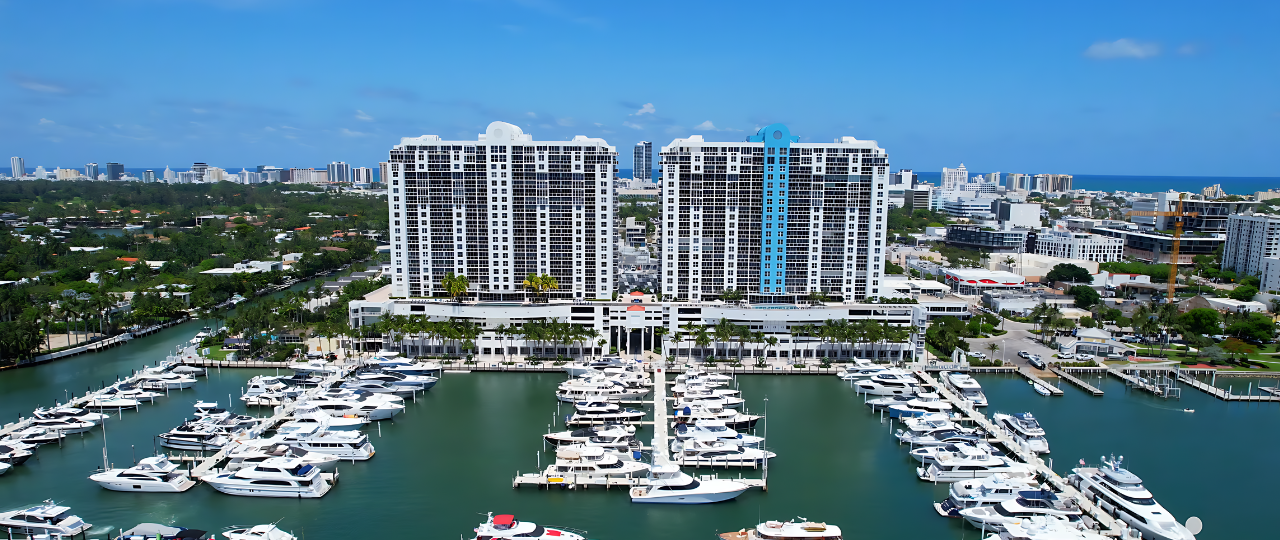
Sunset Harbour, Miami, Florida - EVERYTHING You Want to Know
Join us in this virtual escapade across all the gorgeous layers of Sunset Harbour, a sun-k...
.png)
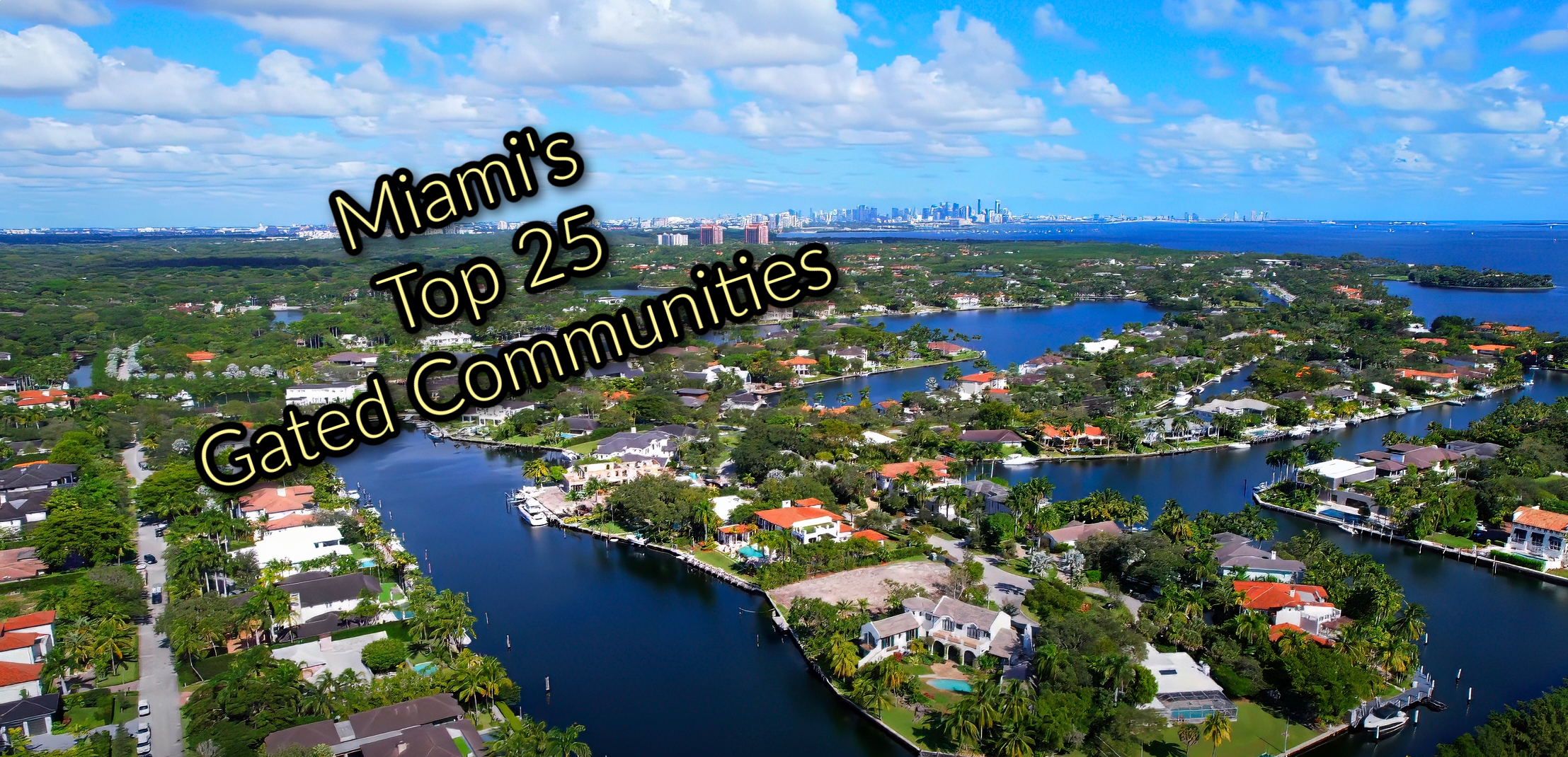
The Ultimate Guide to Miami-Dade's Top 25 Gated Communities for Single-Family Homes
Discover Miami's top gated communities in this essential guide for luxury home buyers...


Miami's BEST Restaurants in EVERY Neighborhood
Check out the absolute BEST restaurants in every neighborhood of Miami, including the best...
Selling Your Home?
Who are we?
We are the ALL IN Miami Group out of Miami.
We are Colombian, Filipino, Cuban, German, Japanese, French, Indian, Syrian, and American.
We are Christian, Hindu, and Jewish.
We are many, but we are one.
We sell luxury homes in Miami, Florida.
Although some of our clients are celebrities, athletes, and people you read about online, we also help young adults find their first place to rent when they are ready to live on their own.
First-time buyers?
All the time!
No matter what your situation or price range is, we feel truly blessed and honored to play such a big part in your life.