



Upper East Side, Miami — A Cheat Sheet for Buyers, Visitors, & the Curious

Amit Bhuta
I use non-traditional marketing to inspire the most motivated buyers to pay the max for Miami luxury homes...
I use non-traditional marketing to inspire the most motivated buyers to pay the max for Miami luxury homes...
Most people think the Upper East Side exists only in New York.
What they don’t know is there’s one in Miami—and it’s the complete opposite of the high-rise, grid-lined version in Manhattan.
Located between NE 50th and NE 79th Street, stretching from Biscayne Bay across Biscayne Boulevard into a mix of historic and transitional neighborhoods, Upper East Side Miami isn’t defined by one look or one lifestyle.
Instead, it’s shaped by contrasts—gated streets in Morningside and Belle Meade, preservation-driven pockets like Bayside and Palm Grove, and more flexible, evolving sections west of Biscayne Boulevard where zoning, real estate opportunities, and development potential shift from block to block.
It’s a symphony of different aesthetics, zoning dynamics, property types, and lifestyle experiences.
Still, once you get to know and understand each one, it becomes impossible not to appreciate this Miami take on the Upper East Side.
From home prices and real estate trends to flood zones, insurance considerations, and neighborhood differences, this guide makes sure you will.
Here's what you need to know about living in, visiting, and understanding the Upper East Side.
-topaz-upscale-2.1x.jpeg?w=1140)
LIVING IN UPPER EAST SIDE
What are the different neighborhoods within Upper East Side Miami, and how do they compare?
Upper East Side is made up of several distinct micro-neighborhoods, including Morningside, Belle Meade, Bayside Historic District, Palm Grove, and Shorecrest, each offering different pricing ranges, zoning rules, and lifestyle dynamics.
Morningside is a gated historic enclave with larger lots, mature landscaping, and some direct bayfront homes, where pricing typically ranges from $2.5M to over $8M, depending on waterfront exposure and renovation level.
Belle Meade is also gated but smaller, with pricing generally between $1.3M and $3.5M and a mix of updated and original homes.
Bayside Historic District and Palm Grove are preservation-focused areas where homes typically range from $900K to $2.5M, with restrictions that protect architectural character but limit redevelopment.
Shorecrest is the most accessible and evolving section, with pricing starting around $600K and rising to $1.5M+, attracting investors and early-stage buyers.
How much does it cost to live in Upper East Side Miami in 2026?
Entry-level homes in Upper East Side typically begin around $600K–$750K in western sections, while renovated homes in central areas range from $900K to $2M.
Gated neighborhoods like Morningside and Belle Meade start around $1.3M and extend beyond $5M+, with bayfront homes exceeding $8M.
Price per square foot generally ranges from $500 to $800 for non-waterfront homes, while waterfront properties can exceed $1,000 to $1,200+ per square foot.
Ownership costs include property taxes around 1.8%–2.2%, and insurance can range from $4,000 to over $15,000 annually, depending on elevation and home condition.
What are typical home sizes and lot dimensions in Upper East Side Miami?
Most homes range from approximately 1,200 to 3,500 square feet, with larger waterfront homes exceeding 4,000 square feet.
Lot sizes typically range from 5,000 to 9,000 square feet inland, while waterfront properties often exceed 10,000 square feet and include dock space.
Older homes tend to have smaller interiors but larger yards, while renovated properties often expand interior space significantly.
What zoning types exist in Upper East Side Miami, and where are multifamily properties allowed?
Zoning differs sharply across the area, with single-family zoning dominating east of Biscayne Boulevard, especially in historic and gated neighborhoods.
West of Biscayne Boulevard allows more flexibility, including duplexes, multifamily properties, and income-producing configurations in certain zones.
This distinction drives investor activity, with redevelopment concentrated in western sections while eastern neighborhoods remain preservation-focused.
Is Upper East Side Miami considered safe, and how does safety vary by area?
Safety varies by micro-location rather than the area as a whole.
Gated neighborhoods such as Morningside and Belle Meade have controlled access and lower incident rates.
Areas east of Biscayne Boulevard are generally more stable residential zones, while western sections vary on the block and proximity to major roads.
Are homes in the Upper East Side mostly historic, and what restrictions come with that?
A significant portion of the Upper East Side falls within designated historic districts, particularly Palm Grove and Bayside.
Exterior changes require approval, including windows, roofing, and additions, while interior renovations are typically unrestricted.
These rules preserve neighborhood character but limit redevelopment flexibility.
Is Upper East Side Miami in a flood zone, and how does elevation affect ownership costs?
Much of the Upper East Side lies within FEMA flood zones AE and VE, particularly near Biscayne Bay and canal systems.
Base Flood Elevation (BFE) directly impacts insurance costs, with elevated homes paying significantly less than those below the required levels.
Flood insurance can range from $2,500 for elevated homes to over $15,000 annually for lower-elevation properties.
How does homeowners' insurance work in Upper East Side Miami?
Insurance in Upper East Side Miami is typically structured as a combination of windstorm and flood coverage rather than a single unified policy.
Many older homes rely on Citizens Insurance or hybrid policies that combine private wind coverage with separate flood insurance, especially when properties do not meet the underwriting standards of private carriers.
Roof age, electrical systems, plumbing, and overall structural condition heavily influence eligibility, pricing, and approval.
As a result, buyers are often required to update major systems—particularly roofing and electrical—before qualifying for more competitive private insurance options.
What are the biggest risks or hidden issues when buying an older home in Upper East Side Miami?
Many homes were built between the 1920s and 1950s, which means buyers often encounter cast iron plumbing, outdated electrical systems, aging roofs, and potential termite damage.
Seawall deterioration is also a concern for waterfront properties, along with foundation and elevation issues in flood-prone areas.
A detailed inspection is critical, as renovation costs can exceed initial expectations if these factors are overlooked.
Is it better to renovate or buy a fully updated home in Upper East Side Miami?
Renovating can offer lower entry pricing but often involves high costs due to structural upgrades, historic restrictions, and permitting timelines.
Fully updated homes command higher upfront prices but reduce uncertainty and allow immediate occupancy.
In historic districts, renovation timelines can be extended by approval requirements, making turnkey homes more appealing to some buyers.
Can you rent out properties in Upper East Side Miami, and how strict are the short-term rental rules?
Long-term rentals are generally permitted, but short-term rentals are tightly regulated and require proper zoning and licensing.
Enforcement is active, and unlicensed rentals can result in fines and legal action.
Investor-friendly opportunities are more common west of Biscayne Boulevard, where zoning allows greater flexibility.
How do property taxes work after buying a home in Upper East Side Miami?
Property taxes reset to the purchase price after closing, often resulting in higher annual taxes for new buyers.
Homestead exemption can reduce taxable value and cap annual increases for primary residents, while non-homesteaded properties are taxed at full market value.
What is the difference between waterfront and non-waterfront homes in Upper East Side Miami?
Waterfront homes in Upper East Side Miami command a premium due to bay or canal access, larger lot sizes, and the potential for private docks.
Bayfront properties are typically the most expensive, while canal-front homes vary depending on width, depth, and direct access to open water.
Some canals have fixed bridges that restrict boat height, which can limit navigation and, in certain cases, prevent ocean access altogether, depending on vessel size.
In addition to access, seawall condition, dock permitting, and ongoing maintenance costs play a significant role in long-term ownership expenses.
Non-waterfront homes offer lower entry prices and reduced insurance costs but do not provide direct water access or boating capability.
What schools serve the Upper East Side of Miami, and what are the best options?
Public options include Morningside K-8 Academy and Miami Edison Senior High School, with Morningside K-8 considered one of the stronger local schools.
Many families pursue magnet programs such as Design and Architecture Senior High or iPrep Academy through competitive applications.
Private schools such as Cushman School and Miami Country Day School are also popular alternatives nearby.
For a closer look at the public and private school options, check out Best Schools in the Upper East Side.
Is Upper East Side Miami walkable or car-dependent?
Walkability depends heavily on proximity to Biscayne Boulevard.
Areas near the corridor offer access to dining and retail, while interior residential streets are more car-dependent.
East of Biscayne Boulevard tends to be more walkable, while western areas rely more on driving, making daily errands less convenient without a car.
How is commuting from the Upper East Side in Miami during peak hours?
Commuting patterns depend on route selection, with Biscayne Boulevard experiencing heavy congestion during peak hours.
Many residents use I-95 via nearby access points for faster north-south travel.
Travel times to Downtown or Brickell can double during rush hour, particularly between 7–10 AM and 4–7 PM.
Is Upper East Side Miami a good long-term investment?
Upper East Side Miami has shown strong long-term appreciation due to location, limited redevelopment in historic zones, and increasing demand.
Renovated homes and waterfront properties have seen the highest value growth.
It is generally considered a long-term hold market rather than a short-term flip environment.
-topaz-upscale-2.1x.jpeg?w=1140)
VISITING UPPER EAST SIDE
What is Upper East Side Miami known for?
Upper East Side is known for its historic architecture, MiMo design influence, and growing dining scene along Biscayne Boulevard.
It offers a quieter, residential feel compared to more commercial Miami neighborhoods.
Is the Upper East Side worth visiting compared to Wynwood or the Design District?
Upper East Side provides a more relaxed experience focused on dining and architecture rather than nightlife or luxury retail.
It appeals more to locals and repeat visitors than first-time tourists.
What are the best restaurants along Biscayne Boulevard?
Biscayne Boulevard serves as the main dining corridor, with restaurants concentrated between NE 50th and NE 79th Streets.
The area includes a mix of casual, international, and upscale dining options, with standout spots like Blue Collar for modern comfort food, Phuc Yea for Vietnamese-Cajun fusion, and Ironside Pizza for wood-fired Italian dishes in a design-forward setting.
You’ll also find neighborhood favorites like Andiamo! Brick Oven Pizza, along with smaller cafés and bakeries spread throughout the corridor, making it one of the most consistently active dining stretches in Upper East Side Miami.
Top 5 Places to Eat in the Upper East Side highlights several restaurants in the area.
Is the Upper East Side good for nightlife?
The area is not a nightlife destination and focuses more on dining and casual evening spots.
Most venues close earlier than in Brickell or South Beach, reinforcing its identity as a dining-focused rather than nightlife-driven area.
What shopping options are available in the Upper East Side?
Upper East Side Miami is not a major shopping destination, but it offers a curated mix of small retail shops, vintage stores, and design-focused spaces primarily along Biscayne Boulevard.
The MiMo District features boutique-style shopping, including home décor stores, art galleries, and specialty retailers rather than large-scale malls or national chains.
For more traditional shopping centers, residents typically head to nearby areas like the Design District, Midtown Miami, or Aventura Mall, all within a short drive.
You may also check out Top 5 Shopping Spots in the Upper East Side for some of the best retail options in the area.
Are there parks or waterfront areas to visit in the Upper East Side?
Morningside Park is the primary public waterfront park offering bay views and green space.
Most waterfront access in the area is private.
For parks that allow dogs, visit Dog-Friendly Parks in the Upper East Side.
Is Biscayne Boulevard traffic-heavy, and when is the best time to visit the Upper East Side?
Traffic along Biscayne Boulevard is heavy during peak hours but improves significantly midday and late evening.
The best times to visit are outside morning and evening rush hours for easier parking and movement.
How far is the Upper East Side from Miami Beach, Downtown, and the airport?
The Upper East Side is approximately 10–15 minutes from Miami Beach, 10–20 minutes from Downtown and Brickell, and 20–25 minutes from Miami International Airport under normal conditions.
Is parking easy in the Upper East Side, Miami?
Parking is relatively accessible compared to denser Miami neighborhoods.
Street parking is common in residential areas, with additional options near commercial corridors.
-topaz-upscale-2.1x.jpeg?w=1140)
UNDERSTANDING UPPER EAST SIDE
Where exactly is Upper East Side Miami located, and what are its boundaries?
Upper East Side is located within the City of Miami, generally spanning from NE 50th Street to NE 79th Street between Biscayne Bay and areas west of Biscayne Boulevard.
It includes multiple sub-neighborhoods and overlaps with the MiMo District along Biscayne Boulevard.
Why is Upper East Side Miami becoming more popular?
The area’s central location, historic character, and relatively lower prices compared to waterfront luxury markets have driven increased demand.
Its proximity to the Design District and Downtown has also contributed to its growth.
What development trends are shaping Upper East Side Miami right now?
Development is primarily focused on renovation rather than large-scale new construction due to historic restrictions.
Western sections are seeing increased investor activity and small-scale multifamily redevelopment.
What is the difference between the Upper East Side and the MiMo District?
The MiMo District refers specifically to the Biscayne Boulevard corridor, known for Mid-Century Modern architecture.
Upper East Side is the broader residential area that surrounds it.
How has pricing in Upper East Side Miami changed over time?
Property values have increased significantly over the past decade, with many homes doubling or tripling in value.
Renovated and waterfront homes have seen the strongest appreciation.
Is Upper East Side Miami gentrifying?
The area is actively gentrifying, particularly in western sections like Shorecrest.
Renovations, new businesses, and demographic shifts are driving this change.
What type of buyers are moving into Upper East Side Miami?
Buyers include families, investors, and second-home owners.
Gated neighborhoods attract end-users, while transitional areas attract investors.
What are the most common mistakes buyers make in Upper East Side Miami?
Common mistakes include underestimating flood risk, overlooking zoning differences, and failing to account for insurance costs.
Buyers also often underestimate renovation costs in older homes and the impact of historic restrictions.
How does the Upper East Side compare to Coconut Grove and Edgewater?
Compared to Coconut Grove, the Upper East Side is more affordable and less dense.
Compared to Edgewater, it offers more single-family homes and a quieter environment.
What are the biggest pros and cons of living in Upper East Side Miami?
Advantages include central location, historic character, and variety of price points.
Trade-offs include flood risk, variability between neighborhoods, and limited walkability outside main corridors.
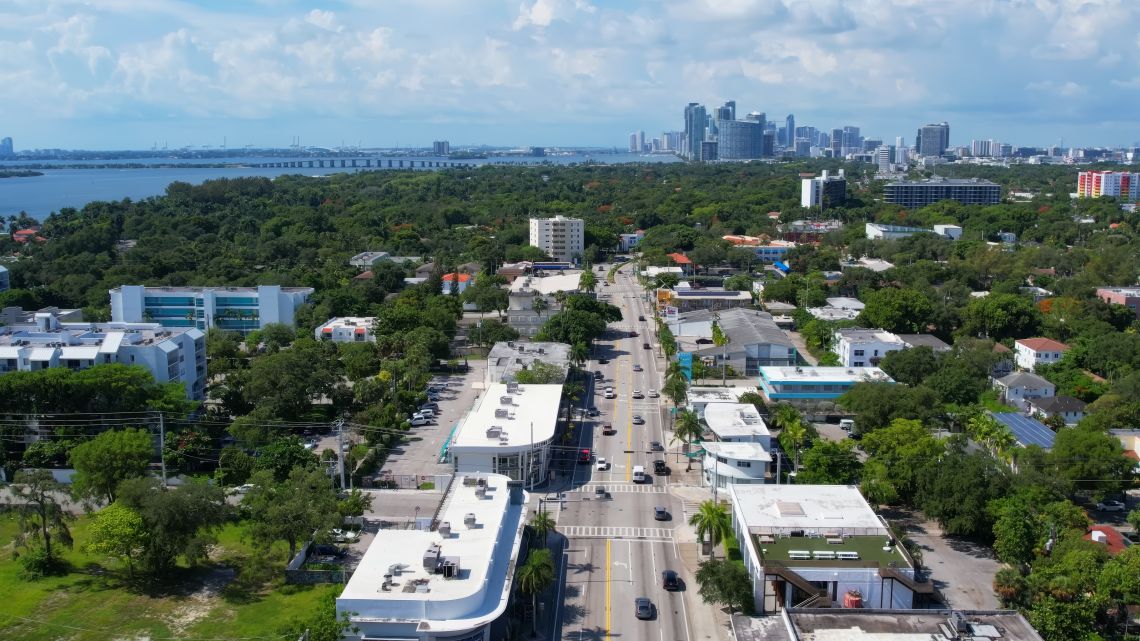
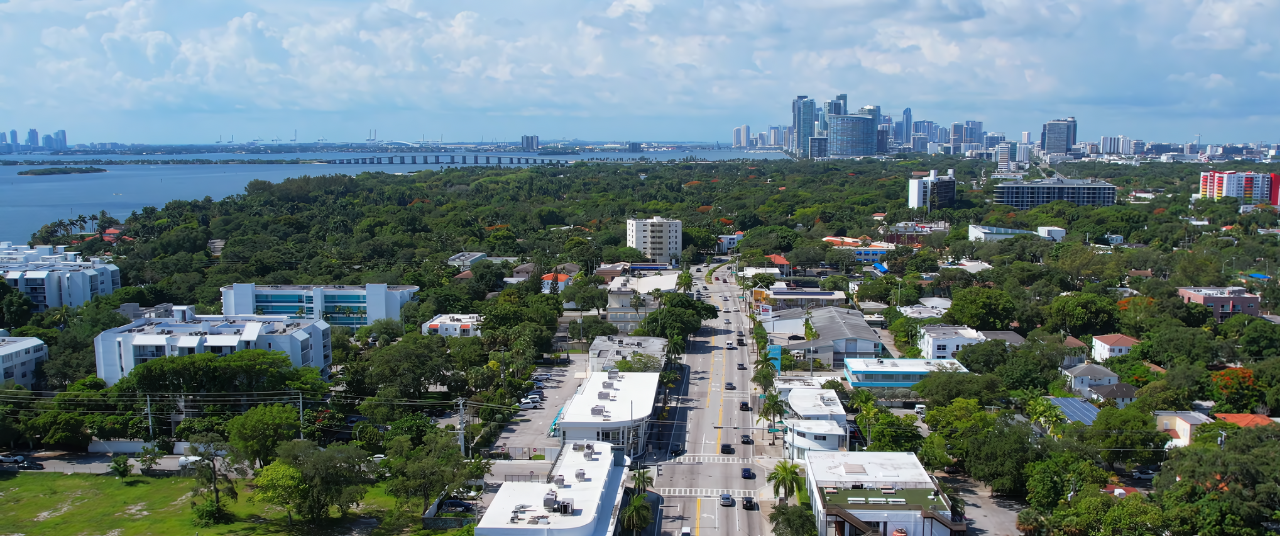%20(67).png)
Upper East Side, Miami, Florida - EVERYTHING You Want to Know
Embark on this virtual escapade across all the irresistible layers of the Upper East Side!...
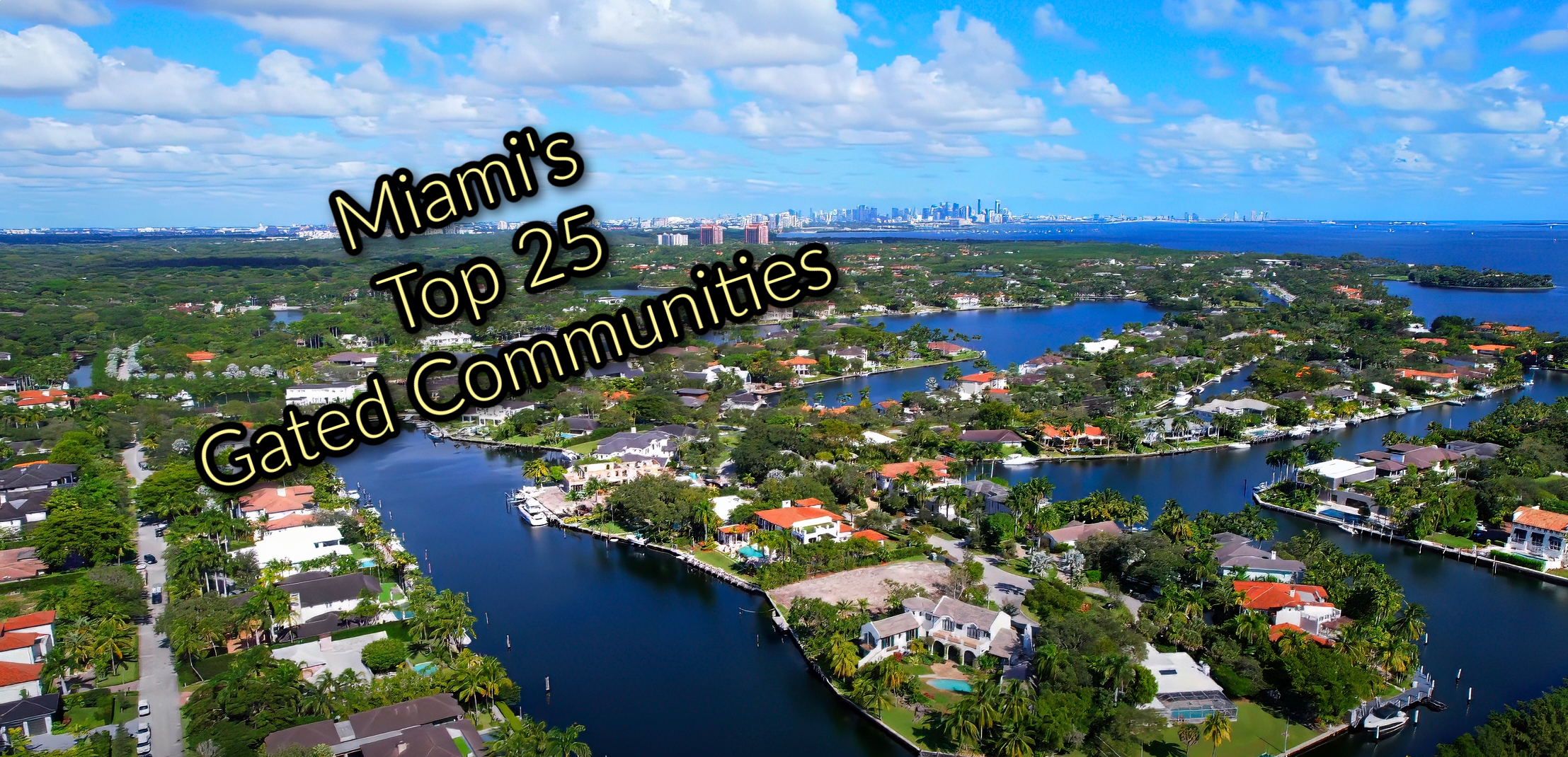.png)
The Ultimate Guide to Miami-Dade's Top 25 Gated Communities for Single-Family Homes
Discover Miami's top gated communities in this essential guide for luxury home buyers...


Miami's BEST Restaurants in EVERY Neighborhood
Check out the absolute BEST restaurants in every neighborhood of Miami, including the best...
Selling Your Home?
Who are we?
We are the ALL IN Miami Group out of Miami.
We are Colombian, Filipino, Cuban, German, Japanese, French, Indian, Syrian, and American.
We are Christian, Hindu, and Jewish.
We are many, but we are one.
We sell luxury homes in Miami, Florida.
Although some of our clients are celebrities, athletes, and people you read about online, we also help young adults find their first place to rent when they are ready to live on their own.
First-time buyers?
All the time!
No matter what your situation or price range is, we feel truly blessed and honored to play such a big part in your life.