



South Miami, Miami — A Cheat Sheet for Buyers, Visitors, & the Curious

Amit Bhuta
I use non-traditional marketing to inspire the most motivated buyers to pay the max for Miami luxury homes...
I use non-traditional marketing to inspire the most motivated buyers to pay the max for Miami luxury homes...
South Miami may be a compact city, but it’s as layered as it gets.
Located along the US-1 corridor between Coral Gables and Pinecrest, it doesn’t have the skyline of Brickell, the estate scale of Pinecrest, or the structure of Coral Gables, which makes it seem quieter and more straightforward than it actually is.
But step onto its streets, and South Miami reveals a mix of walkability, redevelopment activity, school-driven demand, and real estate dynamics within a tight, efficient radius.
Here, home values, lifestyle, and location advantages are shaped by details that aren’t always obvious unless you know where to look.
This guide sheds some light on those details, answering the most important questions about South Miami real estate, cost of living, schools, and daily life.
Here's what you need to know about living in, visiting, and understanding South Miami.
-topaz-upscale-2.1x.jpeg?w=1140)
LIVING IN SOUTH MIAMI
What is South Miami known for as a place to live?
South Miami is known for its tree-lined streets, low-rise residential layout, and a walkable downtown district centered around Sunset Drive.
It offers a quieter, more residential alternative to areas like Brickell or Downtown Miami while still being near major business and cultural hubs.
The presence of the University of Miami gives the area a unique blend of academic, professional, and family-oriented energy, shaping both housing demand and daily activity.
Unlike high-density condo markets, South Miami is primarily made up of single-family homes, with smaller pockets of townhomes and low-rise condos near commercial corridors.
What types of homes are found in South Miami?
South Miami features a mix of original mid-century homes, renovated ranch-style properties, and newly constructed modern residences.
Many homes built between the 1940s and 1970s sit on lots ranging from approximately 6,000 to over 10,000 square feet, particularly in neighborhoods west of US-1 and closer to residential interiors.
Newly constructed homes often replace older properties and typically range from 2,500 to over 5,000 square feet, with open layouts, high ceilings, and contemporary finishes.
Townhomes and condos are more commonly located near downtown South Miami, along US-1, and near the MetroRail corridor.
How much do homes cost in South Miami?
Single-family homes in South Miami typically range from approximately $700,000 to $1.5 million for older or partially updated properties.
Fully renovated homes and new construction properties often range from $1.6 million to over $3 million, with prices influenced by lot size, street desirability, and proximity to Coral Gables or top school zones.
Condos and townhomes generally range between $350,000 and $800,000, depending on square footage, building age, and location near walkable areas.
Pricing is strongly tied to zoning, redevelopment potential, and school boundaries, making location within the neighborhood highly important.
What are property taxes and insurance costs like in South Miami?
Property taxes in South Miami generally range from 1.8% to 2.2% of assessed value annually, depending on exemptions such as homestead status.
Insurance costs can vary widely, with many homeowners paying between $4,000 and $10,000 per year depending on roof age, structural updates, and flood zone designation.
Older homes may require upgrades to their roofing, electrical systems, and plumbing to qualify for favorable insurance rates.
Flood insurance may be required in certain FEMA-designated zones, which can add several hundred to several thousand dollars annually, depending on elevation and risk classification.
Is South Miami prone to flooding?
Flood risk in South Miami varies by elevation and location, with some properties falling within FEMA flood zones such as AE or X.
Homes outside of high-risk zones may not require flood insurance, while others in lower-lying areas may be subject to stricter requirements and higher premiums.
Buyers often review elevation certificates, drainage infrastructure, and historical flooding patterns before purchasing.
Although improvements have been made in some areas, flood risk remains an important consideration when evaluating properties.
How safe is South Miami?
South Miami is generally considered a safe and stable residential area compared to many parts of Miami-Dade County.
The city has its own police department, and most residential neighborhoods experience relatively low crime levels.
Safety can vary slightly depending on proximity to major roads or commercial corridors, but overall, the area is widely viewed as family-friendly.
How good are the schools in South Miami?
South Miami is served by a mix of well-rated public and private schools, which significantly influence housing demand and property values.
Public schools include South Miami K–8 Center, Ludlam Elementary School, and South Miami Senior High School, with additional nearby options such as Sunset Elementary School and Coral Gables Preparatory Academy, depending on zoning boundaries.
Private schools within a short drive include Gulliver Preparatory School, Epiphany Catholic School, and St. Thomas Episcopal Parish School, offering a range of academic programs from elementary through high school.
School zoning plays a major role in pricing, with homes assigned to highly rated schools often commanding higher values and increased buyer competition.
What schools are zoned for South Miami, and how do they affect home values?
School zoning in South Miami varies by street and can significantly impact both home prices and demand.
Properties zoned for highly rated schools, such as Sunset Elementary or strong K–8 programs, tend to attract more competitive offers and maintain stronger long-term value.
Buyers typically prioritize specific school boundaries when searching, which can create noticeable price differences between similar homes in different zones.
Understanding exact zoning assignments before purchasing is essential, as they are not uniform across the entire area.
For more information on the public and private schools in South Miami, check out Best Schools in South Miami.
What are rental prices like in South Miami?
Rental prices in South Miami are influenced heavily by proximity to the University of Miami and nearby commercial areas.
One-bedroom apartments typically range from $1,800 to $2,800 per month, while two-bedroom units often range from $2,800 to $4,000.
Single-family home rentals can range from $3,500 to over $7,000 per month, depending on size, condition, and location.
Demand remains strong due to students, faculty, and professionals, making rental properties a consistent part of the local housing market.
Are there HOA communities in South Miami?
Most single-family neighborhoods in South Miami do not have homeowner associations, allowing for greater flexibility in property use and modifications.
HOAs are more common in townhome developments and condominium buildings, particularly near downtown and along US-1.
Monthly HOA fees typically range from $200 to $600, depending on amenities, maintenance coverage, and building type.
What is the cost of living in South Miami?
The cost of living in South Miami is higher than the national average, driven primarily by housing costs.
Everyday expenses such as groceries, dining, and services align closely with broader Miami pricing trends.
Residents benefit from convenient access to retail centers such as Dadeland Mall and local shopping districts, which provide a wide range of options within a short distance.
How does the University of Miami affect life in South Miami?
The University of Miami plays a major role in shaping South Miami’s housing demand, traffic patterns, and local economy.
Rental demand increases significantly near the campus, particularly for condos and smaller homes.
Traffic can become heavier during class hours, sporting events, and university-related activities.
The university also contributes to the area’s academic environment, employment opportunities, and access to healthcare.
What is the lifestyle like in South Miami?
South Miami offers a balanced lifestyle that combines suburban comfort with urban convenience.
Residents can walk to restaurants, cafes, and shops in the downtown district while still enjoying quieter residential streets just a few blocks away.
The area attracts families, professionals, and long-term residents who value accessibility without the density of more urban neighborhoods.
Are there parks and outdoor spaces in South Miami?
South Miami includes several parks and is located near additional recreational areas.
Dante Fascell Park serves as a central community space with open fields, walking paths, and recreational amenities.
Nearby parks such as Murray Park and Coral Pine Park provide additional areas for outdoor activities and community use.
Meanwhile, for parks that allow dogs, check out Dog-Friendly Parks in South Miami.
-topaz-upscale-2.1x.jpeg?w=1140)
VISITING SOUTH MIAMI
Where is South Miami located?
South Miami is located in Miami-Dade County, just south of Coral Gables and west of Coconut Grove.
It sits along the US-1 corridor, providing direct access to Downtown Miami, Brickell, and Dadeland.
Miami International Airport is approximately 15 to 20 minutes away by car, depending on traffic conditions.
How do you get around South Miami?
Most residents rely on personal vehicles and use major roads such as US-1, Red Road, and SW 72nd Street.
Traffic often becomes congested during peak commuting hours, particularly near commercial centers and school zones.
Is public transportation available in South Miami?
South Miami is served by the Miami Metrorail, with the South Miami Station providing direct connections to Downtown Miami, Brickell, and Miami International Airport.
Metrobus routes also operate throughout the area, although most residents prefer driving for daily transportation.
Is South Miami walkable, and which areas are most pedestrian-friendly?
South Miami is partially walkable, with the highest level of pedestrian activity centered on Sunset Drive and the downtown district.
This area features restaurants, shops, and entertainment options within a compact, walkable layout.
Residential neighborhoods farther from the downtown core are less walkable and typically require a car for daily errands.
What is there to do in South Miami?
South Miami offers a mix of dining, shopping, and casual entertainment options.
The downtown area along Sunset Drive includes restaurants, cafes, boutiques, and local businesses.
The overall atmosphere is more relaxed than in major nightlife districts, as it focuses on everyday convenience rather than tourism.
For a typical day in South Miami, check out Top 5 Things to Do in South Miami.
Is South Miami close to beaches and major attractions?
South Miami is approximately 20-30 minutes from Key Biscayne and other coastal areas, depending on the traffic conditions.
It is also located near Coral Gables, Coconut Grove, and Brickell, providing access to cultural attractions, waterfront areas, and entertainment venues.
What restaurants and shopping options are in South Miami?
South Miami offers a combination of local restaurants, national brands, and independent shops concentrated around Sunset Drive and nearby corridors.
Residents also have quick access to larger retail destinations such as Dadeland Mall, which provides a wide range of shopping and dining options.
Top 5 Shopping Spots in South Miami and the Top 5 Places to Eat in South Miami highlight some of the best retail and dining destinations in South Miami.
-topaz-upscale-2.1x.jpeg?w=1140)
UNDERSTANDING SOUTH MIAMI
Why do people choose to live in South Miami?
People choose South Miami for its location, school access, and balanced lifestyle.
It provides proximity to major employment centers while maintaining a quieter residential environment.
The walkable downtown area adds convenience without the intensity of larger urban districts.
Is South Miami a good place to invest in real estate?
South Miami remains a strong market for long-term investment due to limited land availability and consistent demand.
Redevelopment opportunities, particularly teardown properties, attract builders and investors looking to construct new homes.
Rental demand driven by the University of Miami supports stable occupancy and income potential.
How is South Miami different from Coral Gables and Pinecrest?
Compared to Coral Gables, South Miami is generally more compact and less formal, with smaller lots and a more casual atmosphere.
Compared to Pinecrest, South Miami offers greater walkability and a denser layout, while Pinecrest features larger estate-style properties and a more suburban setting.
Each area appeals to different buyer preferences based on lifestyle and housing priorities.
Are home values increasing in South Miami?
Home values in South Miami have shown steady growth over time, supported by redevelopment and strong location demand.
New construction continues to raise pricing benchmarks, particularly in areas with desirable zoning and access to amenities.
Market activity remains competitive, especially for well-located properties.
What should buyers know before moving to South Miami?
Buyers should evaluate flood zones, insurance requirements, and zoning regulations before purchasing.
School boundaries, lot size, and redevelopment potential all play a major role in long-term value.
Understanding traffic patterns and proximity to major roads can also influence daily convenience.
What healthcare options are available near South Miami?
South Miami is located near several major healthcare providers, including Baptist Health South Miami Hospital and Doctors Hospital.
These facilities provide a wide range of medical services and contribute to the area’s appeal for residents seeking access to quality healthcare.
Their proximity also supports employment opportunities and adds to the overall convenience of living in the area.
How does weather and hurricane risk affect living in South Miami?
South Miami experiences a tropical climate with hot, humid summers and mild winters.
The area is subject to hurricane risk during the Atlantic hurricane season, which runs from June through November.
Homes must meet building codes designed to withstand storms, and insurance costs often reflect wind mitigation features and structural resilience.
Storm preparedness and proper insurance coverage are important considerations for homeowners.
Is South Miami more urban or suburban?
South Miami offers a hybrid environment that combines elements of both urban and suburban living.
The downtown area provides walkability and activity, while surrounding neighborhoods maintain a quieter, residential feel.
Who typically lives in South Miami?
South Miami attracts a mix of families, professionals, university-affiliated individuals, and long-term residents.
The area appeals to those seeking convenience, strong schools, and a more relaxed pace compared to central Miami neighborhoods.
-topaz-upscale-2.1x.jpeg?w=1140)
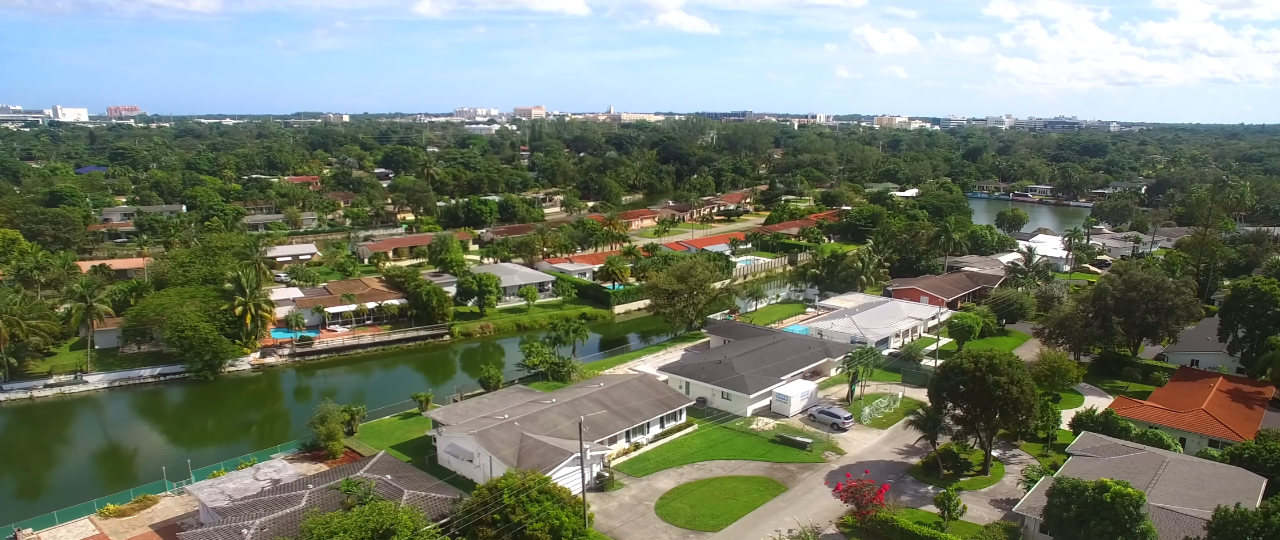%20(52).png)
South Miami, Miami, Florida - EVERYTHING You Want to Know
Ride with us on this virtual train of all things South Miami! By the end of this guide, yo...
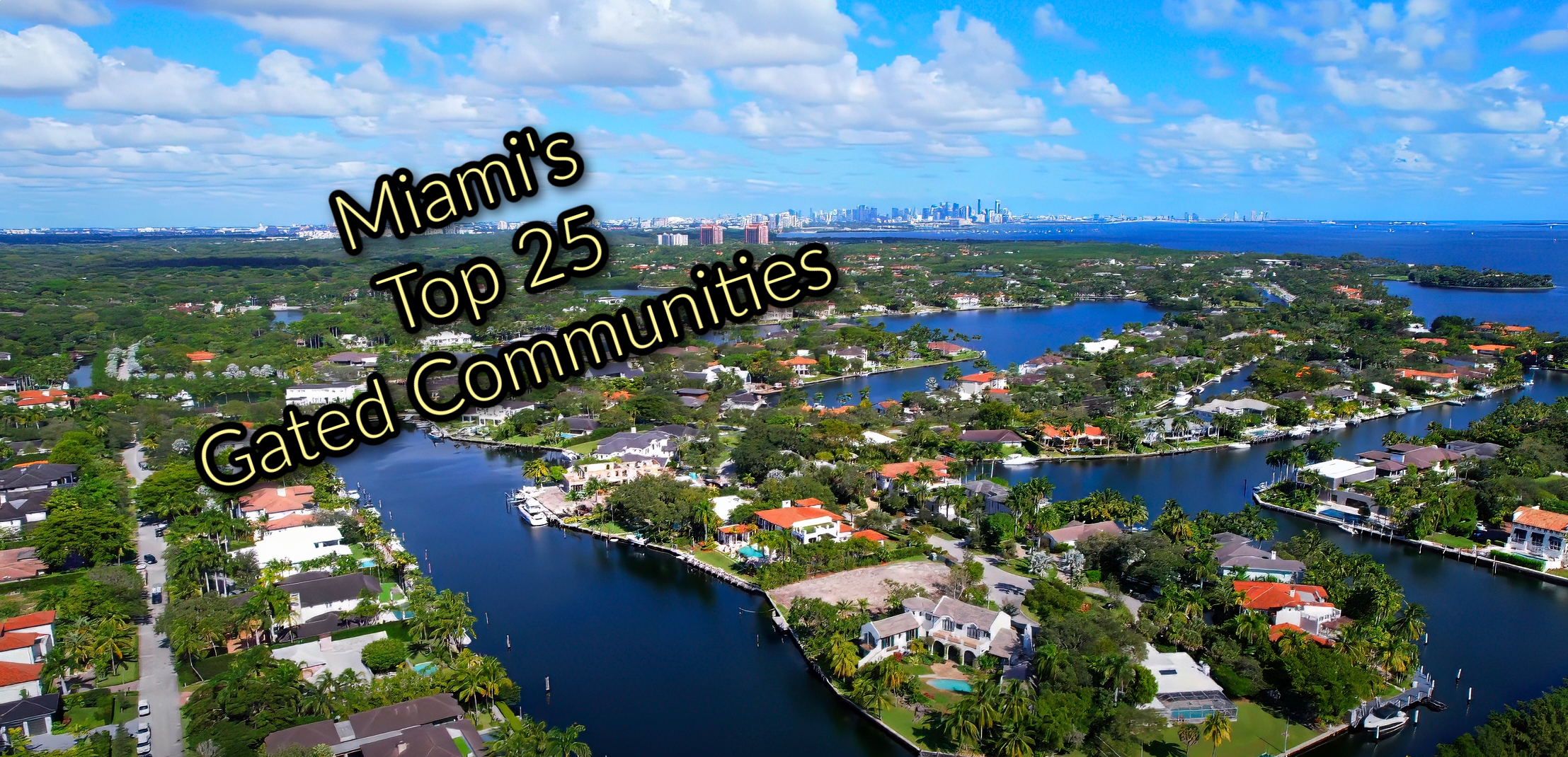.png)
The Ultimate Guide to Miami-Dade's Top 25 Gated Communities for Single-Family Homes
Discover Miami's top gated communities in this essential guide for luxury home buyers...

Miami's BEST Restaurants in EVERY Neighborhood
Check out the absolute BEST restaurants in every neighborhood of Miami, including the best...
Selling Your Home?
Who are we?
We are the ALL IN Miami Group out of Miami.
We are Colombian, Filipino, Cuban, German, Japanese, French, Indian, Syrian, and American.
We are Christian, Hindu, and Jewish.
We are many, but we are one.
We sell luxury homes in Miami, Florida.
Although some of our clients are celebrities, athletes, and people you read about online, we also help young adults find their first place to rent when they are ready to live on their own.
First-time buyers?
All the time!
No matter what your situation or price range is, we feel truly blessed and honored to play such a big part in your life.