



Selling Your House in Little River? 6 Things You MUST Do!

Amit Bhuta
I use non-traditional marketing to inspire the most motivated buyers to pay the max for Miami luxury homes...
I use non-traditional marketing to inspire the most motivated buyers to pay the max for Miami luxury homes...
Are you thinking of selling your Little River home soon?
Then, stop thinking and start acting!
That listing is a front-row pass to one of Miami's most buzzed-about transformations, and EVERYBODY is watching closely — buyers, creatives, and investors alike.
Converted warehouses, design-forward builds, chef-loved food hubs, and a location wrapped between Miami's trendiest districts don't just add intrigue — they transform ordinary homes into conversation starters with serious upside.
And yes, it includes yours.
Your property going live attracts buyers who want early access to a neighborhood redefining itself, where culture, location, and momentum collide, and demand grows faster than the inventory.
Still, even with all those advantages, your home still needs the right storyteller, a real estate agent who understands pricing strategy, buyer psychology, and this market's trajectory, so you can do the impossible and have your cake — and EAT it, too.
Picture this: almost every real estate agent out there is following the SAME FORMULA to sell a house.
They take some aesthetic snaps, whip up a video tour, and throw out a "one-size-fits-all" pitch, praying it sticks!
Can you spell G-E-N-E-R-I-C?
It's all pretty wild, considering that in every other corner of the business world, knowing who you're selling to is the FIRST thing they teach you — that's Marketing 101!
So, if you won't sell a skateboard and a luxury yacht the same way, why treat homes and buyers like they're all the same?
Now, let's shake things up a bit.
Imagine a scenario where a home is sold the way it should be.
Instead of using a "blanket" approach and FORCING the same message to EVERYONE, we zoom in on who really wants to hear about that three-bedroom residence with refreshed interiors, modern finishes, an open layout, and a private outdoor space in Little River.
You see, it's about crafting a story that speaks directly to the dreamers of THAT dream and not just tossing a net into a sea of buyers, hoping for the best!
So, instead of sticking to the bland and generic, it's time to get personal and specific!
Other industries know not to shout into the void — they whisper honeyed words into the ears of those who WANT to listen.
Selling a home isn't any different.
It's about finding a match so perfect that it feels like fate!
So, instead of using the same old approach, I'm here to teach you how to dive into what makes Little River tick and help you find the right buyers who'd give anything to make the future of Miami's cuisine and creativity their home.
Here are 6 things you MUST do to sell your house in Little River.
(1)
Matching Your Home to the Buyer Who Wants It Most
Selling in Little River is about speaking directly to the buyer who already understands its momentum.
One common buyer profile is the creative professional or small business owner searching for proximity without the premium of Wynwood or the Design District.
These buyers respond to open layouts, natural light, thoughtful updates, and homes that can double as live-work spaces, as they value authenticity and clarity, and a house that is intentionally designed rather than one trying too hard to imitate luxury.
Another major group is the investor or developer, especially those seeking single-family homes on buildable lots or small multifamily properties with value-add potential.
They focus on zoning, lot size, and future expansion opportunities, so clear documentation, accurate measurements, and pricing aligned with redevelopment potential can influence their attitude towards your listing.
You'll also see move-up buyers who want to remain close to Miami's creative core while securing more space and flexibility than nearby districts allow.
For them, parking, yard space, privacy, and overall livability matter as much as location, which means highlighting how your home supports their daily grind can make a meaningful difference.
Learning to identify which buyer segment your property appeals to most, shape the narrative around that audience, and market the home where those buyers are actively looking is what turns interest into offers—and offers into successful closings.
Once you have this skill, the rest will come easily — including the price you want for your home.
.png?w=851)
(2)
Zero In on Why Little River Sells Itself (If You Let It)
Once you stop forcing a sales pitch, you start letting Little River's character do the talking — and believe us, you should.
Little River buyers already know they're buying into momentum, texture, and proximity to Wynwood, Design District, and Midtown, a.k.a, Miami's creative core, without paying peak prices.
In your marketing, this context matters, so calling out distance, drive times, and adjacency to established hotspots carries more weight than generic lifestyle language.
Equally important is highlighting the mix of uses and energy that define the area today.
Little River buyers respond to mentions of chef-driven restaurants, creative studios, adaptive reuse projects, and small-scale residential streets coexisting side by side, as this blend signals Little River's growth and established character.
The keyword is potential — if you bank on this and market Little River's flexible layouts, lot depth, outdoor space, zoning possibilities, or future expansion more than over-styled visuals, you can effectively show how your home fits into a neighborhood that is still unfolding.
The best sales plan highlights Little River's location, evolution, and authenticity.
Achieve this, and you can build their confidence in your home, turning curiosity into serious interest and top-dollar offers.
-topaz-upscale-2.3x.jpeg?w=851)
(3)
Selling the Story That Comes With the House
Little River attracts people who value feeling as much as location—creative energy without chaos, proximity without pressure, growth without losing identity.
Popular Little River listings translate those intangible pulls into concrete moments: mornings that start at a nearby café, busy afternoons behind a gate or fence, evenings steps from dining spots discovered without any advertisements.
Effective storytelling in Little River focuses on use, flow, and rhythm.
Instead of listing features, show how spaces function: how light moves through a room during the day, how outdoor areas extend living space, how an extra room can become a studio, office, or short-term rental opportunity.
It also helps to acknowledge Little River's evolution without overhyping it.
These buyers want honesty—homes that are rooted yet ready for what's next.
Framing your listing as part of a neighborhood in progress builds trust and helps buyers see themselves arriving at the right moment.
In a market driven by emotion and timing, connection is often what turns interest into a signed contract.
.png?w=851)
(4)
Get Deals Done Through Personalization
Negotiation works best when it responds to who is on the other side of the offer, especially in a market that attracts buyers with very different motivations, and understanding those motivations shapes how terms should be handled.
For end-users and creative buyers, timing and certainty often matter more than squeezing every dollar — they don't want to be outmaneuvered, so clear counters, reasonable response windows, and terms that respect their intent help preserve momentum and prevent deals from stalling over minor adjustments.
Investors and developers, by contrast, negotiate through numbers, feasibility, and risk.
Price matters, but so do inspection periods, extension flexibility, and clarity around zoning or redevelopment potential, which means knowing when to concede on timing and when to hold firm can keep these buyers engaged without diluting value.
Little River also sees hybrid buyers who plan to live in a home now while keeping an eye on long-term upside.
These buyers weigh lifestyle against future exit strategy — negotiations that balance livability with practical safeguards often resonate most with them.
The key is adaptability.
When negotiation strategies align with buyer intent, conversations stay productive, and outcomes stay favorable.
Unfortunately, the way most agents do it is like using a hammer for every job when, in reality, what you really need is a screwdriver.
And while the usual talk and tactics MIGHT stick to a few, they won't magically get you the BEST deal every time!
You need to understand that not everyone dances to the same beat, and what works for an engineer might not even make a dent with a screenwriter!
So, how do we change all that?
Through OUR ultimate game-changer — Artificial Intelligence!
Here at All in Miami, we use an AI tool that makes us feel like we have a negotiation ninja by our side!
And let me tell you, it doesn't just guess how a buyer ticks — this whiz KNOWS!
Our AI tool tells us exactly what words will light up their world and which ones are a total dud, like a secret playbook for every person who walks through our doors to help us make them sit up and listen!
We're talking about crafting a negotiation that hits buyers right in the bull's eye, making them feel like EVERYTHING was written just for them!
Well, if you think about it, it is.
So, whether we're dealing with an on-the-go accountant or a happy-go-lucky artist, you best believe we've got the inside scoop on how to speak THEIR language!
For the BEST deal, it's not just about making the sale, but the right one, helping you squeeze every bit of value out of your home and leaving NOTHING on the table!
So, while other real estate agents use the same old tool for every job, we've got a finely tuned toolkit to NAIL the perfect deal!
Ladies and gents, it's not magic.
It's about being smart and ensuring you're not just selling your home but getting the best possible outcome because when it comes to negotiation, one size DOESN'T fit ALL!
.png?w=851)
(5)
Visibility Matters More Than Volume
More exposure doesn't always translate into better results.
In fact, where your listing shows up and who sees it matters even more.
You see, Little River buyers are selective, informed, and often watching very specific channels.
They track inventory through a mix of MLS alerts, neighborhood-specific searches, and social platforms tied to food, art, and design culture, which means your listings will only gain traction when they appear in spaces where these buyers already pay attention, rather than being blasted everywhere at once.
Timing also plays a role.
Releasing a listing when similar homes are scarce—or aligning visibility with moments when buyer interest spikes can create urgency without inflating expectations.
Strategic pacing keeps attention focused.
Lastly, presentation affects distribution as much as platform choice.
Clean photography, clear descriptions, and consistent messaging help a listing travel further organically, especially when shared among local circles.
These homes are more likely to be saved, forwarded, and revisited.
When visibility is targeted, the right buyers find the listing faster and engage more seriously.
.png?w=851)
(6)
What Buyers Are Telling You—Without Saying Anything
Did you know that silence can be just as revealing as feedback?
When showings happen but offers don't follow—or interest fades quickly—it's usually a message about alignment.
Little River buyers compare layouts, pricing, and potential across nearby streets and similar properties, often forming opinions before ever voicing them.
A lack of follow-up often signals that something didn't connect, even if the home checked the obvious boxes.
In fact, if multiple buyers linger in certain spaces, ask about zoning, or hesitate around price without directly objecting, those cues point to expectations shaped by the broader Little River market.
Subtle behavior during or after showings can reveal whether the home feels positioned correctly.
These unspoken signals are useful because they surface early.
They offer a chance to refine presentation, pricing, or messaging before the listing loses momentum, so tiny adjustments—grounded in what buyers are silently responding to—can reset interest without dramatic changes.
When sellers recognize what buyers are saying through actions, strategy becomes proactive, and this awareness aligns your listing with real demand.
.png?w=851)
.png)
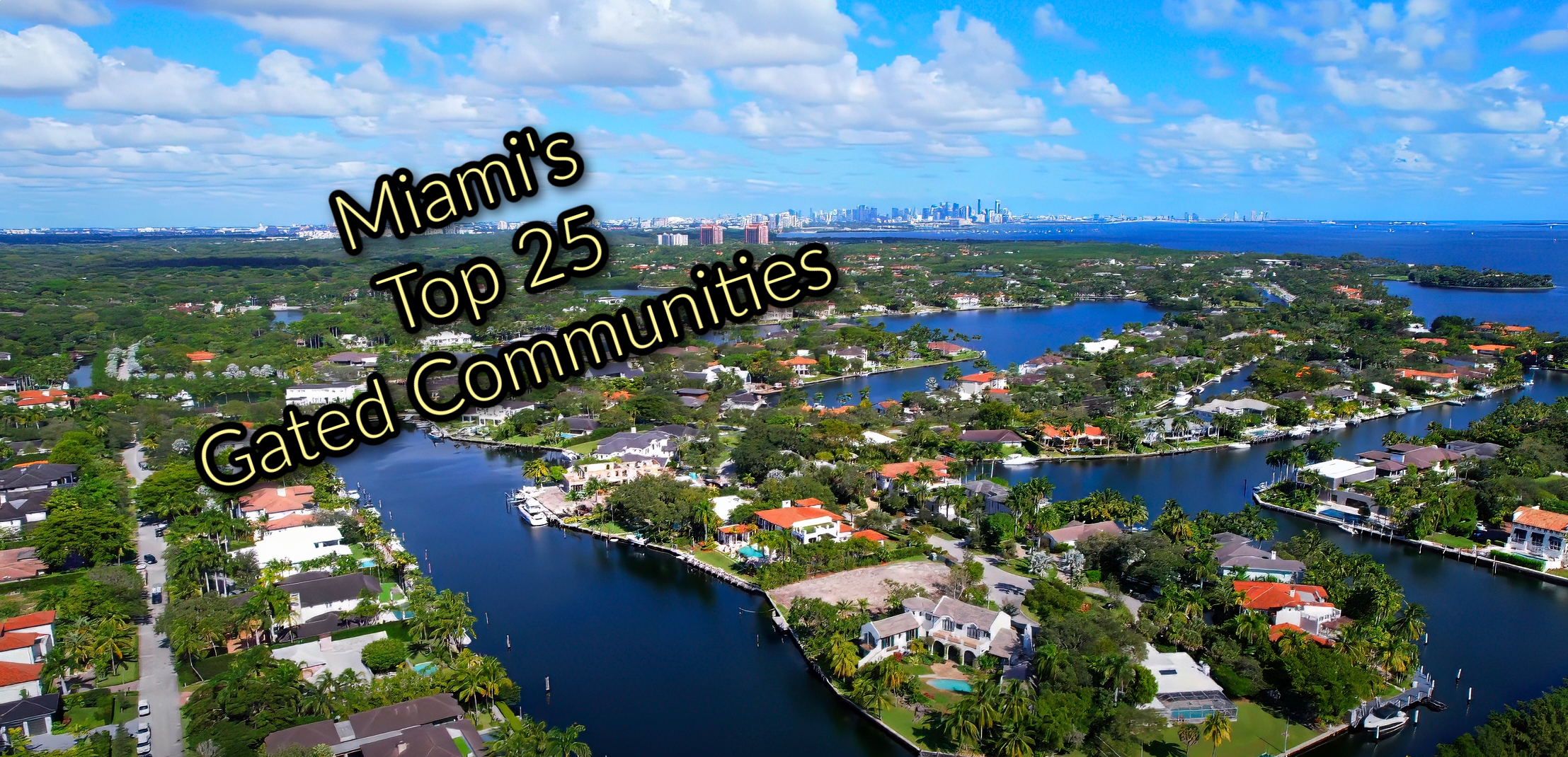
The Ultimate Guide to Miami-Dade's Top 25 Gated Communities for Single-Family Homes
Discover Miami's top gated communities in this essential guide for luxury home buyers. Exp...


Miami's BEST Restaurants in EVERY Neighborhood
Check out the absolute BEST restaurants in every neighborhood of Miami, including the best...
Selling Your Home?
Who are we?
We are the ALL IN Miami Group out of Miami.
We are Colombian, Filipino, Cuban, German, Japanese, French, Indian, Syrian, and American.
We are Christian, Hindu, and Jewish.
We are many, but we are one.
We sell luxury homes in Miami, Florida.
Although some of our clients are celebrities, athletes, and people you read about online, we also help young adults find their first place to rent when they are ready to live on their own.
First-time buyers?
All the time!
No matter what your situation or price range is, we feel truly blessed and honored to play such a big part in your life.