



Normandy Isle, Miami — A Cheat Sheet for Buyers, Visitors, & the Curious

Amit Bhuta
I use non-traditional marketing to inspire the most motivated buyers to pay the max for Miami luxury homes...
I use non-traditional marketing to inspire the most motivated buyers to pay the max for Miami luxury homes...
On a map, Normandy Isle does not take up much space.
But in Miami Beach, it is recognized as a micro-neighborhood with its own rhythm, commercial strip, and unique version of waterfront living.
And people can't help but wonder what that version of waterfront living is exactly.
Positioned between the Intracoastal and the Atlantic, just west of North Beach, the island offers a different take on Miami Beach life.
Instead of high-rise luxury towers or tourist-heavy streets, Normandy Isle Miami Beach features a mix of condo buildings, local businesses along Normandy Drive, and residential blocks that feel more neighborhood-oriented than destination-driven.
That smaller scale is part of the appeal, but it also means the details matter more.
Buyers want more information about building condition, HOA fees, and whether a unit faces the bay, a canal, or an interior street.
Visitors are often curious about how close Normandy Isle is to the ocean and how this part of Miami Beach compares to more well-known areas.
This guide helps you understand what Normandy Isle offers and how it fits into the broader Miami Beach landscape by answering those questions and more.
Here's what you need to know about living in, visiting, and understanding Normandy Isle.
-topaz-upscale-2.1x.jpeg?w=1140)
LIVING IN NORMANDY ISLE
Where exactly is Normandy Isle located within Miami Beach?
Normandy Isle is located in North Beach, part of Miami Beach, positioned between the Atlantic Ocean to the east and Biscayne Bay to the west.
It sits just off 71st Street, connected by the Normandy Isle Bridge, and is bordered by other Normandy Isles and the Normandy Shores area to the north.
In practical terms, it is one of the closest residential islands to both the ocean and the mainland without being directly on either, which is part of what defines its layout and pricing.
Is Normandy Isle considered part of North Beach or its own distinct area?
Normandy Isle is technically part of North Beach, but it is treated as its own micro-neighborhood.
Locals distinguish it because it has its own commercial strip along Normandy Drive, its own residential rhythm, and a noticeably different housing mix compared to oceanfront North Beach.
So while it falls under North Beach on a map, in daily life, it functions as a separate pocket within Miami Beach.
What is the overall lifestyle and atmosphere on Normandy Isle?
Normandy Isle has a quieter, more residential feel compared to most of Miami Beach.
Instead of nightlife-heavy streets or luxury high-rise clusters, the area is defined by mid-rise condo buildings, walkable blocks, and a steady, local pace of life.
You are more likely to see residents walking dogs, biking, or grabbing coffee along Normandy Drive than large groups of tourists, which gives the neighborhood a more lived-in and consistent atmosphere.
What types of properties are available on Normandy Isle (condos, co-ops, single-family homes)?
The majority of properties on Normandy Isle are condos.
These include mid-century buildings, smaller boutique buildings, and some updated or renovated units.
Co-op ownership structures are less common than condos, but still appear in select older buildings, and they come with stricter approval processes
There are also a limited number of single-family homes, mostly located along waterfront streets or interior residential pockets, and some co-op-style ownership structures, depending on the building.
Compared to other parts of Miami Beach, the island is heavily condo-driven, which shapes both pricing and lifestyle.
What are typical home and condo price ranges on Normandy Isle?
Older condo units without major updates can typically start around $220,000 to $350,000, especially for one-bedroom or smaller two-bedroom layouts.
Updated condos or units in better-maintained buildings often range from $350,000 to $600,000, depending on size, view, and condition.
Waterfront condos with bay or canal views can move into the $600,000 to $900,000+ range, especially for larger layouts or renovated units.
Single-family homes are more limited and generally start around $900,000 to over $2 million, particularly for waterfront properties with private docks.
Price variation is heavily influenced by building condition, reserves, and whether major structural work has already been completed.
What is the difference between bayfront, canal-front, and inland properties on Normandy Isle?
Bayfront properties face Biscayne Bay and typically offer wider, open-water views, sunsets, and higher price points.
Canal-front properties sit along narrower waterways and may offer dock access and boating potential, but with more limited views and slightly lower pricing.
Inland properties do not have waterfrontage and are typically more affordable, with quieter residential streets but no direct water access.
Understanding this distinction is one of the most important factors when comparing listings on Normandy Isle.
How does location within Normandy Isle affect lifestyle and property value?
Micro-location plays a significant role in how a property on Normandy Isle feels day to day.
Bay Drive and other waterfront streets tend to offer quieter surroundings, better views, and higher price points, while still feeling more residential.
Normandy Drive, on the other hand, is more active and walkable, with direct access to cafes, restaurants, and daily essentials, but also more traffic and noise.
Interior streets typically fall somewhere in between, offering a balance of residential quiet and accessibility without the premium pricing of waterfront properties.
Because of this, two properties just blocks apart can deliver very different living experiences, even within the same island.
What are the main condo buildings and residential communities on Normandy Isle?
Normandy Isle is not dominated by a few mega-developments.
Instead, it features a mix of smaller condo buildings, such as 6600 Indian Creek-adjacent buildings, waterfront boutique condos along Bay Drive, and clusters of mid-century buildings near Normandy Drive.
Buyers should focus less on “community names” and more on specific buildings, since building condition, reserves, and management vary significantly from one property to another.
Condominium Living on Normandy Isle elaborates more on the condo communities on Normandy Isle.
Are there new developments or redevelopments happening on Normandy Isle?
Normandy Isle is seeing gradual redevelopment rather than large-scale transformation.
This includes building renovations, unit upgrades, and selective redevelopment projects rather than high-rise construction.
Much of the activity focuses on improving older buildings and modernizing units rather than replacing entire blocks.
What are HOA fees typically like for condos on Normandy Isle?
HOA fees vary widely depending on building age, amenities, and financial health.
Smaller or older buildings may range from $300 to $600 per month, while larger or waterfront buildings with amenities can range from $600 to over $1,200+ per month.
Lower HOA fees in older buildings can sometimes signal deferred maintenance rather than savings, which is why reviewing reserves is critical.
Buyers should pay close attention to what the HOA covers, reserves, and whether there are upcoming assessments.
What should buyers know about older buildings, renovations, and special assessments in Normandy Isle?
Many buildings on Normandy Isle date back to the 1950s through the 1980s.
That means buyers should take a close look at overall building condition, completed upgrades, and any required structural inspections.
Special assessments are fairly common and can cover major items like roof replacements, concrete restoration, or seawall repairs, with costs varying significantly from one building to another.
In addition, many properties fall under Miami-Dade’s recertification requirements, including the 40-year and 50-year milestones, which involve detailed structural and electrical inspections.
These inspections can lead to mandatory repairs, and in older waterfront buildings, that often translates into larger-scale work such as concrete restoration or seawall reinforcement.
Because of this, two similar units on Normandy Isle can carry very different risk profiles depending on whether a building has already completed its recertification work or is approaching that stage.
Is Normandy Isle a good option for first-time buyers or investors?
Yes, but with specific conditions.
For first-time buyers, Normandy Isle offers a more attainable entry point into Miami Beach compared to oceanfront areas, especially for condo-based ownership.
For investors, it can perform well as a long-term rental play, but short-term rental restrictions in most buildings limit Airbnb-style income potential.
It is best suited for buyers who understand how condo ownership works, including HOA structures, reserves, and building-level risk.
From an investment standpoint, Normandy Isle tends to favor long-term holds over short-term flips or vacation rental strategies, largely due to rental rules and building-specific limitations.
As a result, it appeals more to those seeking steady rental income and gradual appreciation rather than high-turnover, short-term returns.
What grocery stores, cafes, and everyday essentials are within walking distance on Normandy Isle?
Normandy Drive is the main hub for daily needs.
You will find small markets, bakeries, cafes, pharmacies, and local service businesses within walking distance, depending on your exact location.
For larger grocery runs, residents typically drive a few minutes to bigger stores along 71st Street.
For some of the best retail options in the area, check out Top 5 Shopping Spots Near Normandy Isle.
What is Normandy Drive, and why is it important to residents?
Normandy Drive is the main commercial street on the island.
It functions as the neighborhood’s core for dining, errands, and daily activity.
Unlike large retail corridors, it feels local and compact, which reinforces the walkable nature of the area.
How walkable is Normandy Isle compared to other parts of Miami Beach?
Normandy Isle is highly walkable within its own boundaries.
Residents can reach cafes, small shops, and parks without needing a car.
However, for larger errands or broader entertainment, short drives are still common, making it walkable for daily basics, but not fully car-independent.
What parks and outdoor spaces are located on or near Normandy Isle?
Normandy Isle Park and Pool is the main recreational space on the island.
It includes open green areas, a pool, and sports facilities.
Additional outdoor options are nearby along the bay and in the surrounding North Beach areas.
How close is Normandy Isle to the Normandy Shores Golf Course, and does it affect lifestyle or property values?
Normandy Shores Golf Course is located just north of the island, within a few minutes’ drive.
It adds a quieter, greener element to the surrounding area and can influence nearby property appeal.
While not directly on the island, its proximity contributes to the overall residential feel of the neighborhood.
You may also visit Dog-Friendly Parks Near Normandy Isle for a list of parks that allow dogs.
What schools serve residents living on Normandy Isle?
Nearby public schools include Biscayne Elementary School and Nautilus Middle School.
Miami Beach Senior High School is the primary high school option.
As with all Miami Beach areas, exact zoning should be verified per address.
For more information, check out Best Schools Near Normandy Isle.
What healthcare facilities and hospitals are closest to Normandy Isle?
Mount Sinai Medical Center is the closest major hospital.
It is located in Mid-Beach and provides full-service care, including emergency services, specialty care, and diagnostics.
Urgent care clinics and smaller medical offices are also available throughout Miami Beach.
How safe is Normandy Isle compared to other Miami Beach neighborhoods?
Normandy Isle is generally considered quieter than South Beach.
It has a more residential environment, though, like any urban area, conditions vary by building and street.
Most concerns tend to be typical urban concerns, such as property crime or parking-related incidents, rather than extreme safety concerns.
What transportation options are available for commuting from Normandy Isle?
Residents rely primarily on driving, with access to major roads via 71st Street.
Public transit options include buses connecting to other parts of Miami Beach and mainland Miami.
Rideshare services are also widely used.
Bridge access, particularly along 71st Street, is one of the main variables affecting commute consistency.
How long does it take to get from Normandy Isle to South Beach, Downtown Miami, or Brickell?
South Beach is typically about 15–25 minutes, depending on traffic.
Downtown Miami and Brickell usually range from 25–40 minutes, but can extend beyond that during peak hours.
Travel times depend heavily on bridge traffic and time of day.
Is parking difficult on Normandy Isle for residents and visitors?
Parking can be one of the more practical challenges on Normandy Isle, especially in older buildings.
Some condos include assigned spaces, but others rely on unassigned parking or limited on-site availability, which can create competition among residents.
Street parking is available but may require permits or payment, and availability can fluctuate depending on time of day and proximity to Normandy Drive.
Buildings constructed decades ago often did not account for current car ownership levels, which is why parking is something buyers should verify early in the process.
What flood risks, insurance costs, and elevation factors should buyers consider on Normandy Isle?
As a barrier island, flood risk is an important consideration.
Some streets can experience temporary flooding during heavy rain or king tide events, even when buildings themselves are elevated, which is why block-level conditions matter.
Buyers should review elevation, flood zones, and insurance requirements.
Waterfront and ground-floor units may carry higher insurance costs and risk exposure.
How does tidal flooding or king tide impact daily life on Normandy Isle?
Tidal flooding, often referred to locally as king tide flooding, can affect certain streets on Normandy Isle during seasonal high tides or heavy rain events.
This usually shows up as temporary street-level water pooling rather than inside living spaces, especially in lower-lying areas or near storm drains.
There is an important distinction between street conditions and building elevation, since many condos are built higher than the surrounding roadways and may not experience interior flooding even when streets are wet.
From a cost perspective, this can influence insurance premiums, lender requirements, and long-term maintenance planning, which is why buyers should evaluate both the building and the specific block before making a decision.
What are the trade-offs of living on Normandy Isle, and who might not find it a good fit?
Normandy Isle is not for everyone.
Buyers looking for brand-new construction, luxury high-rise living, or a highly polished environment may find other parts of Miami Beach more aligned with their expectations.
Older buildings, HOA variability, and parking limitations can also be drawbacks.
In simple terms, it works best for buyers who value location, walkability, and relative affordability over new construction and uniformity.
-topaz-upscale-2.1x.jpeg?w=1140)
VISITING NORMANDY ISLE
What is there to do on Normandy Isle for visitors?
Normandy Isle offers a slower-paced experience focused on walking, dining, and enjoying waterfront surroundings.
It focuses more on everyday lifestyle than major attractions.
Is Normandy Isle close to the beach, and how far is the ocean from the island?
The ocean is just a short drive or bike ride away.
Most residents and visitors can reach the beach in about 5–10 minutes.
For a typical day on Normandy Isle, check out Top 5 Things to Do on Normandy Isle.
What restaurants and local food spots are located along Normandy Drive?
Normandy Drive features a mix of casual dining, bakeries, and local restaurants.
The area is known for small, independent spots rather than large chains.
Top 5 Places to Eat on Normandy Isle names some of the best restaurants in the area.
Are there waterfront views, parks, or scenic areas visitors can enjoy on Normandy Isle?
Yes, particularly along bayfront streets and parks.
Sunset views over Biscayne Bay are a highlight.
Is Normandy Isle a good place to stay for a quieter Miami Beach experience?
Yes. It is often chosen by visitors who want proximity to Miami Beach without the intensity of South Beach.
How close is Normandy Isle to North Beach, Mid-Beach, and South Beach attractions?
North Beach is immediately adjacent, typically just a 3–5 minute drive or a quick bike ride from most parts of Normandy Isle.
Mid-Beach is usually about 10–15 minutes by car, depending on traffic and route, while South Beach generally takes around 15–25 minutes, though that can stretch longer during peak hours or weekends.
In practical terms, Normandy Isle sits close enough to reach Miami Beach’s main attractions quickly, while still maintaining a noticeable distance from the busiest, most tourist-heavy areas.
Are there hotels or short-term rental options available on Normandy Isle?
Options are limited.
Short-term rentals are restricted in many buildings, and hotels are fewer compared to other parts of Miami Beach.
However, you may check the Top 5 Hotels Near Normandy Isle for accommodations nearby.
What major roads and bridges connect Normandy Isle to the rest of Miami Beach and Miami?
71st Street and the Normandy Isle Bridge are the main connectors.
They provide access to the rest of Miami Beach and the mainland.
-topaz-upscale-2.1x.jpeg?w=1140)
UNDERSTANDING NORMANDY ISLE
Why is the neighborhood called Normandy Isle?
The name is inspired by Normandy, France.
It reflects early development themes tied to European influence.
What is the history and development of Normandy Isle?
Normandy Isle developed during Miami Beach’s expansion phases as a residential island.
Many of its buildings reflect mid-century construction patterns typical of Miami Beach’s post-war expansion
How does Normandy Isle compare to other Miami Beach neighborhoods like North Beach or Mid-Beach?
It is quieter and more residential.
It lacks the density and tourism focus of South Beach and Mid-Beach.
What are the rules for short-term rentals and Airbnb on Normandy Isle?
Short-term rentals are heavily restricted across most of Normandy Isle, and daily or weekly Airbnb-style rentals are generally not allowed.
Many buildings require minimum lease terms of six months to one year, and some limit how often a unit can be rented within a calendar year.
Rules can vary significantly from one building to another, which means investors need to review condo documents carefully rather than assuming uniform flexibility.
As a result, Normandy Isle tends to function better for long-term rental strategies rather than short-term income models.
How has Normandy Isle changed in recent years in terms of redevelopment, demand, and pricing?
Normandy Isle has seen a steady shift driven more by gradual improvement than large-scale redevelopment.
Instead of major high-rise construction, most changes come from building renovations, unit upgrades, and selective repositioning of older properties.
At the same time, buyer interest has increased as more people look for relatively attainable entry points into Miami Beach, especially in walkable, residential areas that are not heavily driven by tourism.
As a result, the area is now shaped by steady demand, targeted renovations, and gradual upward pricing pressure.
-topaz-upscale-2.1x.jpeg?w=1140)
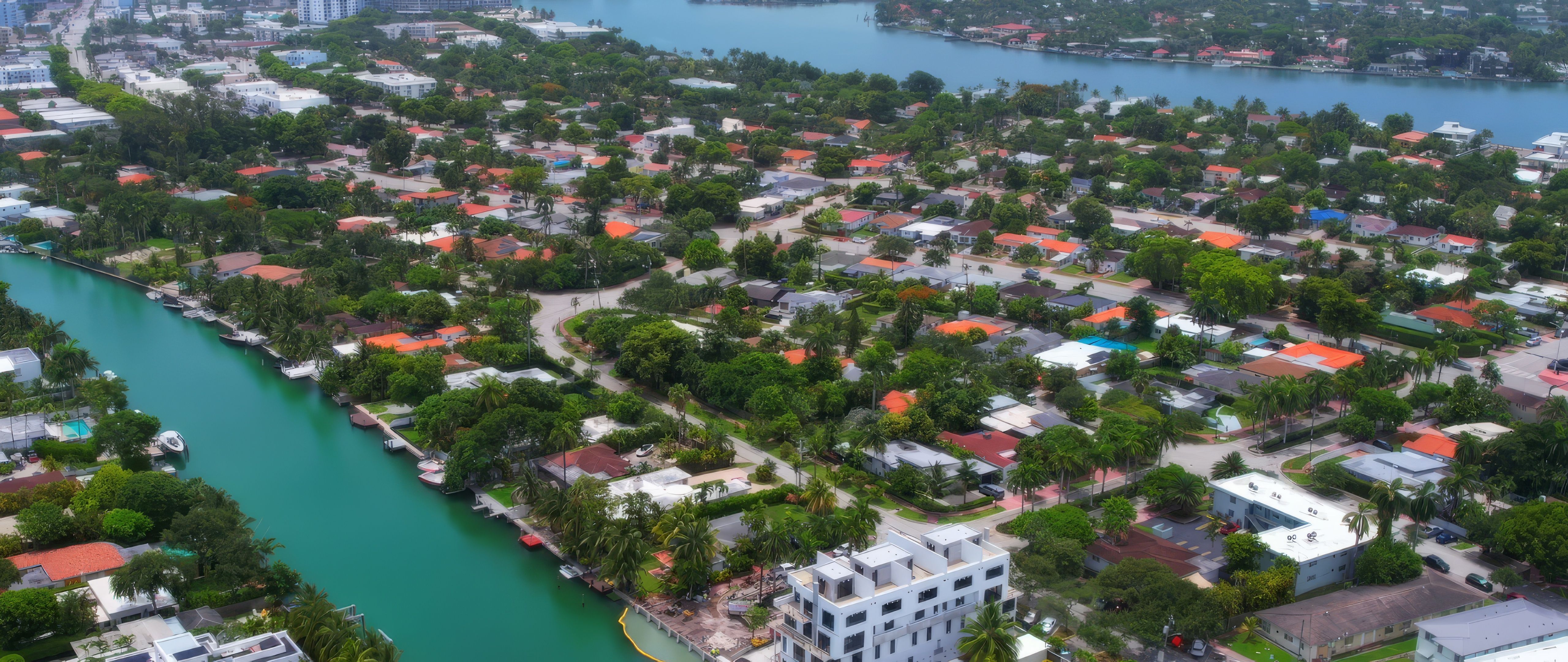
Normandy Isle, Miami, Florida - EVERYTHING You Want to Know
Lean back on a sun-warmed stoop, let the breeze catch your sleeves, and sink into the easy...
.png)
The Ultimate Guide to Miami-Dade's Top 25 Gated Communities for Single-Family Homes
Discover Miami's top gated communities in this essential guide for luxury home buyers...


Miami's BEST Restaurants in EVERY Neighborhood
Check out the absolute BEST restaurants in every neighborhood of Miami, including the best...
Selling Your Home?
Who are we?
We are the ALL IN Miami Group out of Miami.
We are Colombian, Filipino, Cuban, German, Japanese, French, Indian, Syrian, and American.
We are Christian, Hindu, and Jewish.
We are many, but we are one.
We sell luxury homes in Miami, Florida.
Although some of our clients are celebrities, athletes, and people you read about online, we also help young adults find their first place to rent when they are ready to live on their own.
First-time buyers?
All the time!
No matter what your situation or price range is, we feel truly blessed and honored to play such a big part in your life.