



Downtown Miami, Miami — A Cheat Sheet for Buyers, Visitors, & the Curious

Amit Bhuta
I use non-traditional marketing to inspire the most motivated buyers to pay the max for Miami luxury homes...
I use non-traditional marketing to inspire the most motivated buyers to pay the max for Miami luxury homes...
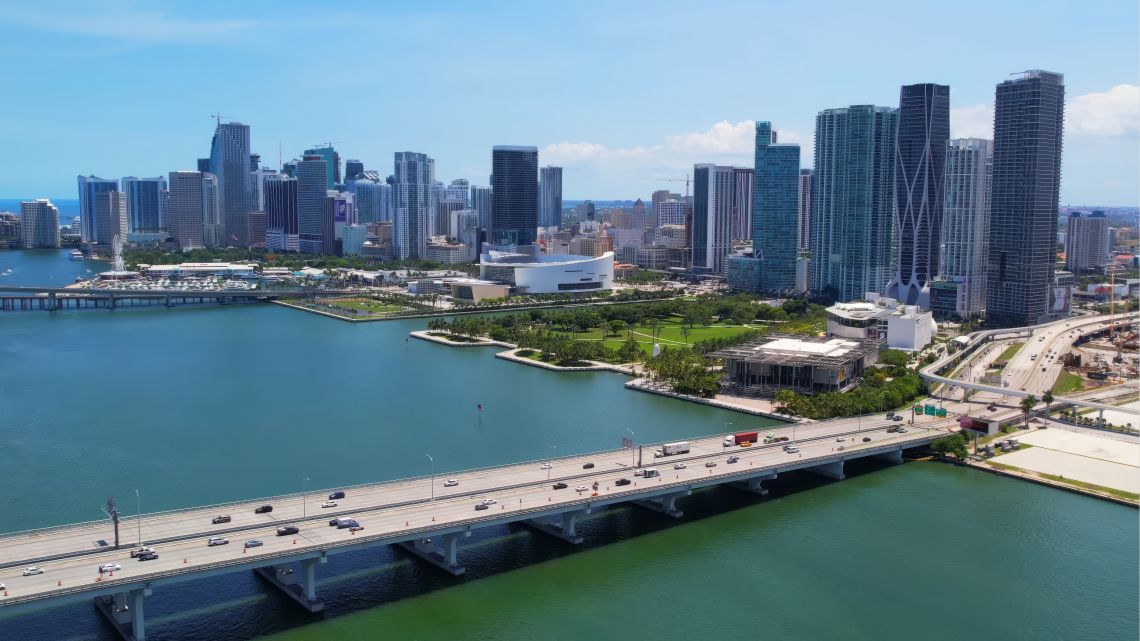
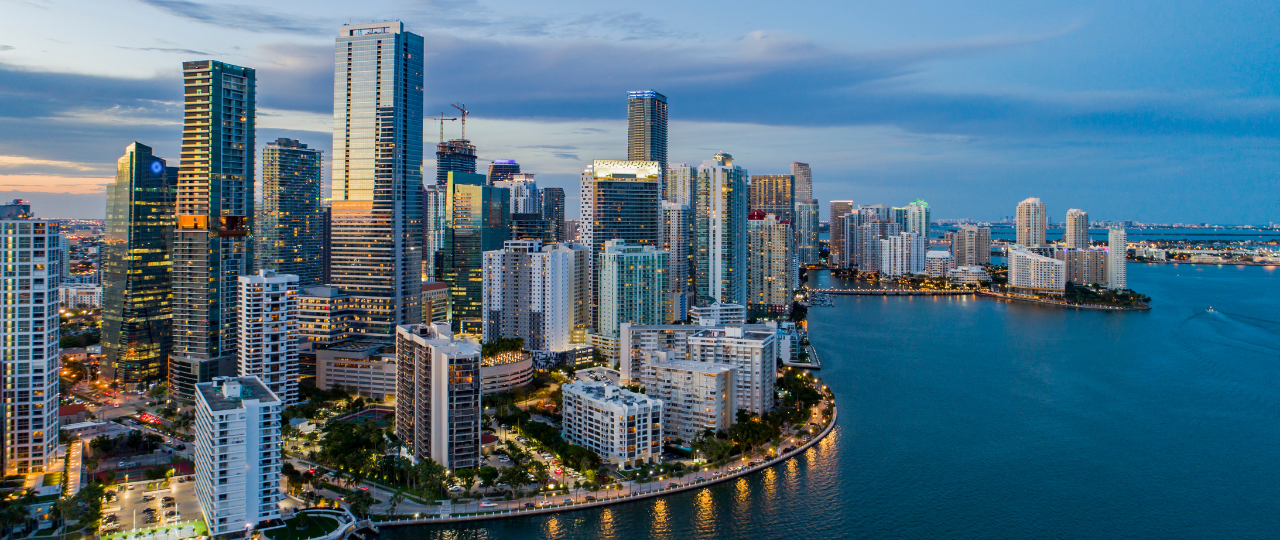
Glass towers rising from Biscayne Bay, Metromover trains looping overhead, and cruise ships lining the horizon beyond Museum Park — this is a snapshot of life in Downtown Miami.
And it’s only the beginning.
Stretching along Biscayne Bay and bordered by Brickell to the south and Edgewater to the north, with spaces filled by glass condominium towers, waterfront parks, corporate headquarters, and nonstop energy, Downtown Miami sits at the center of it all — where government buildings, luxury high-rises, transit lines, and cultural venues converge in one dense urban grid.
In Downtown Miami, you’re minutes from the Miami Worldcenter district, Bayfront Park, the Brightline station, and PortMiami, making it one of the most walkable and transit-connected areas in the county.
It’s also one of the most researched cities in South Florida when it comes to condo prices, HOA fees, rental returns, lifestyle trade-offs, and long-term investment potential.
This guide sheds light on the questions you have — and the ones you haven’t even thought to ask — about Downtown Miami.
Here's what you need to know about living in, visiting, and understanding Downtown Miami.
-topaz-upscale-2.1x.jpeg?w=1140)
LIVING IN DOWNTOWN MIAMI
Where is Downtown Miami located, and what areas does it include?
Downtown Miami sits along Biscayne Bay in the heart of Miami’s urban core, directly north of Brickell and south of Edgewater.
It extends west toward Overtown and east toward the waterfront parks and PortMiami.
The district includes sub-areas such as Miami Worldcenter, Government Center, Museum Park, Park West, and sections surrounding Bayfront Park.
With its Metromover loop, Brightline station, Metrorail connections, and direct highway access via I-95 and the MacArthur Causeway, Downtown Miami functions as one of the county’s most connected transit hubs.
How much do condos cost in Downtown Miami?
Condos dominate Downtown Miami’s residential market.
Entry-level studios and one-bedroom units typically begin in the mid-$400,000s.
One- and two-bedroom residences in established towers commonly range from $550,000 to over $900,000, depending on views, building age, and amenities.
Larger three-bedroom units and waterfront luxury residences frequently exceed $1.2 million, while newly delivered ultra-luxury towers can reach multiple millions.
Water views, amenity packages, and proximity to major developments such as Miami Worldcenter strongly influence this pricing.
What is the average price per square foot in Downtown Miami?
The average price per square foot in Downtown Miami is typically between $600 and $950.
Waterfront luxury towers and recently completed buildings can surpass that range, while older high-rises may trade toward the lower end.
Unobstructed bay views, modern amenity decks, concierge services, and walkability to transit materially impact pricing variation.
What are typical condo sizes in Downtown Miami?
Studios commonly range from approximately 450 to 650 square feet.
One-bedroom units are usually between 650 and 950 square feet.
Two-bedroom layouts often range from 1,000 to 1,400 square feet, and three-bedroom residences may exceed 1,600 square feet, depending on configuration.
Ceiling height, balcony depth, and corner exposure typically influence value beyond pure square footage totals.
How much are HOA fees in Downtown Miami condo buildings?
HOA fees are typically higher than suburban averages due to high-rise building operations and staffing costs.
Most Downtown buildings range from approximately $0.70 to $1.20 per square foot per month.
A 1,000-square-foot unit may therefore have monthly fees of $700 to $1,200.
Luxury towers with full concierge services, valet parking, rooftop pools, spa facilities, and extensive amenity floors may exceed that range.
Fees generally include master insurance policies, building maintenance, and reserve contributions.
Do Downtown Miami condos require HOA approval?
Most condo buildings require an application and approval process before closing or lease commencement.
This process typically includes background checks, financial verification, and application fees that may range from several hundred to over one thousand dollars, depending on the association.
Approval timelines vary by building but commonly take one to three weeks.
Buyers should verify approval requirements early in the transaction process.
Are special assessments common in Downtown Miami condo buildings?
Like many high-rise markets in Florida, Downtown Miami buildings may occasionally implement special assessments for structural upgrades, façade work, or reserve adjustments.
Following recent state regulations on structural integrity and reserve funding, buyers should review association financial statements, reserve studies, and assessment history before purchase.
Financial health varies by building age and management practices.
What is the property tax rate in Downtown Miami?
Downtown Miami follows Miami-Dade County’s property tax structure, which generally averages around 2% of assessed value.
Property taxes may reset upon transfer of ownership, so buyers should calculate projected payments based on purchase price rather than the current owner's bill.
Homestead exemptions may apply to primary residents.
Condo owners typically obtain interior insurance coverage, while associations maintain master policies.
Is Downtown Miami in a flood zone, and how do hurricanes affect high-rise condos?
Downtown Miami’s proximity to Biscayne Bay places portions of the area within designated flood zones, particularly near the waterfront.
However, many high-rise condo buildings follow strict South Florida hurricane and elevation standards.
Modern towers are engineered to withstand high wind loads and feature impact-resistant glass, reinforced concrete construction, and storm mitigation systems.
While flood insurance requirements vary by lender and building elevation, buyers should review FEMA flood maps, the building construction year, and association insurance coverage before purchase to fully understand risk exposure.
Do Downtown Miami condos include parking?
Parking availability varies by building.
Many units include at least one assigned parking space, while smaller studios may not.
Additional spaces, when available, may require purchase or lease.
Valet service is common in newer luxury towers.
Monthly parking rentals in standalone garages or nearby structures can range from approximately $150 to $300, depending on proximity and demand.
Is Downtown Miami walkable, and can you live without a car?
Downtown Miami ranks among the most walkable areas in South Florida.
Residents can access grocery stores, pharmacies, restaurants, parks, banks, and transit stations within blocks.
The free Metromover system connects key districts, and Brightline provides regional rail access.
Many residents choose to live without a car, though those commuting outside the urban core may prefer vehicle ownership for convenience.
Are there grocery stores and daily essentials in Downtown Miami?
Downtown Miami includes major grocery retailers, smaller markets, pharmacies, and service providers within walking distance of most residential towers.
Daily necessities are concentrated around Biscayne Boulevard, Flagler Street, and the Miami Worldcenter area.
Access to essentials supports full-time urban living rather than short-term residency alone.
Is Downtown Miami a good real estate investment?
Downtown Miami remains one of South Florida’s most liquid and internationally recognized condo markets.
Demand is supported by urban lifestyle appeal, employment density, transit connectivity, and continued investments in development.
Pricing has generally trended upward over the past decade alongside broader Miami growth, though short-term cycles occur.
Investor performance varies by building rental policies, HOA stability, and market cycle timing, but appropriately positioned units tend to maintain resale activity.
Can you Airbnb in Downtown Miami?
Short-term rental legality varies by zoning and building bylaws.
Some investor-oriented towers permit daily or weekly rentals, while many traditional condo associations prohibit short-term leasing entirely.
Buyers interested in Airbnb strategies must confirm building-specific regulations, as rules differ significantly across properties.
How much does it cost to rent in Downtown Miami?
Studios typically range from approximately $2,600 to $3,200 per month.
One-bedroom units are often between $3,000 and $4,200.
Two-bedroom rentals frequently range from $4,000 to over $6,000 in premium waterfront buildings.
Rental pricing reflects high urban demand and proximity to employment centers and entertainment venues.
Is Downtown Miami more expensive than other Miami neighborhoods?
Downtown’s cost structure reflects high-rise living and amenity-driven pricing.
On average, it may trade slightly below Brickell per square foot but above many western suburban areas.
Housing costs, HOA fees, and parking expenses tend to exceed Miami-Dade County medians, though walkability and transit access offset certain transportation costs.
Is traffic a concern in Downtown Miami?
As a dense urban core, Downtown experiences peak congestion during rush hours and major events.
Access to multiple highways and public transit options mitigates some traffic pressure.
Residents living and working in the district often rely more heavily on walking and rail systems than on personal vehicles.
Is Downtown Miami safe?
Downtown maintains a consistent police presence and ongoing investments in development.
Like most urban centers, activity levels vary by block and time of day.
High-rise residential towers typically include controlled access, front desk staff, and surveillance systems, which contribute to their structured residential environments.
What public schools serve Downtown Miami?
Downtown is zoned within Miami-Dade County Public Schools, and school assignments vary by specific address.
Families should confirm zoning eligibility and enrollment capacity directly with the district before purchase.
Charter and private options are accessible within a short driving distance.
For more information on the private and public schools in the area, visit Best Schools in Downtown Miami.
-topaz-upscale-2.1x.jpeg?w=1140)
VISITING DOWNTOWN MIAMI
What is there to do in Downtown Miami?
Downtown offers waterfront parks, museums, sports arenas, cultural venues, retail spaces, and cruises.
Bayfront Park hosts events and festivals, while Museum Park houses the Pérez Art Museum and Frost Science Museum.
Meanwhile, Kaseya Center draws major concerts and sports events, and PortMiami connects travelers to international cruise routes.
For a typical day in Downtown Miami, check out Top 5 Things to Do in Downtown Miami.
What are the main attractions in Downtown Miami?
Major attractions include Bayfront Park, Bayside Marketplace, Museum Park, the Adrienne Arsht Center for the Performing Arts, and Miami Worldcenter’s entertainment district.
The Brightline station provides direct rail connections throughout South Florida.
Is Downtown Miami good for nightlife?
Downtown features rooftop lounges, waterfront bars, hotel lounges, and performance venues.
While Brickell offers more concentrated nightlife clusters, Downtown’s scene is closely tied to event nights, concerts, and hospitality venues.
-topaz-upscale-2.1x.jpeg?w=1140)
UNDERSTANDING DOWNTOWN MIAMI
How many people live in Downtown Miami?
The residential population within the Downtown core has increased significantly over the past decade, with tens of thousands of residents living in high-rise towers.
Density continues rising as new buildings deliver vertical housing units.
What industries operate in Downtown Miami?
Finance, government, legal services, technology firms, tourism, and international trade anchor Downtown’s economy.
PortMiami and proximity to Miami International Airport reinforce economic connectivity.
Why is Downtown Miami developing so quickly?
Large-scale projects such as Miami Worldcenter, transit expansion, infrastructure upgrades, and international capital flows continue driving vertical growth.
Zoning allowances allow high-density development, making Downtown one of Miami’s primary growth corridors.
What industries and employers are based in Doral?
Doral hosts logistics firms, aviation-related businesses, financial services companies, hospitality providers, and corporate offices.
Its proximity to the airport makes it a strategic business hub within Miami-Dade County.
What kind of lifestyle does Downtown Miami offer?
Downtown Miami offers a vertical, transit-oriented lifestyle centered on proximity, skyline views, and immediate access to cultural and commercial activity.
Residents trade suburban space for condominium amenities, pedestrian access, and immersion within Miami’s economic and entertainment core.
%20(9).png)
Downtown Miami, Miami, Florida - EVERYTHING You Want to Know
Prepare to get into Miami's urban city's hidden corners, nooks, and crannies! Ou...
.png)
The Ultimate Guide to Miami-Dade's Top 25 Gated Communities for Single-Family Homes
Discover Miami's top gated communities in this essential guide for luxury home buyers...


Miami's BEST Restaurants in EVERY Neighborhood
Check out the absolute BEST restaurants in every neighborhood of Miami, including the best...
Selling Your Home?
Who are we?
We are the ALL IN Miami Group out of Miami.
We are Colombian, Filipino, Cuban, German, Japanese, French, Indian, Syrian, and American.
We are Christian, Hindu, and Jewish.
We are many, but we are one.
We sell luxury homes in Miami, Florida.
Although some of our clients are celebrities, athletes, and people you read about online, we also help young adults find their first place to rent when they are ready to live on their own.
First-time buyers?
All the time!
No matter what your situation or price range is, we feel truly blessed and honored to play such a big part in your life.