



Design District, Miami — A Cheat Sheet for Buyers, Visitors, & the Curious

Amit Bhuta
I use non-traditional marketing to inspire the most motivated buyers to pay the max for Miami luxury homes...
I use non-traditional marketing to inspire the most motivated buyers to pay the max for Miami luxury homes...
Hip, chic, high-end — those are just a few of the words most people use to describe the Miami Design District.
“Unpopular” definitely isn’t one of them.
But how much do you truly know about the Design District?
Positioned just north of Downtown Miami and south of the Upper East Side, the Miami Design District features globally recognized fashion houses, art-forward architecture, Art Basel influence, and increasingly sought-after high-end condos within a compact, walkable grid.
Some visit for Dior and Louis Vuitton.
Others come for Michelin-recognized dining.
A growing number are researching whether living in the Design District makes sense at all.
From condo prices and walkability to safety, noise levels, rental rules, parking, and how it compares to Midtown Miami or Wynwood, this guide will help you uncover everything you need to know about Design District.
Here's what you need to know about living in, visiting, and understanding the Design District.
-topaz-upscale-2.1x.jpeg?w=1140)
LIVING IN DESIGN DISTRICT
Where is the Miami Design District located?
The Miami Design District is located just north of Downtown Miami, west of Biscayne Boulevard, south of NE 50th Street, and east of I-95.
Its core is centered around NE 40th Street, NE 41st Street, and NE 2nd Avenue.
Midtown Miami borders it directly to the north, Wynwood sits immediately west across North Miami Avenue, and Edgewater lies to the east toward Biscayne Bay.
The district spans roughly 18 square blocks and is intentionally pedestrian-oriented.
Can you actually live in the Miami Design District?
Yes, although its residential presence remains smaller than its retail footprint.
Residential inventory consists primarily of boutique condo buildings and mixed-use luxury developments integrated into the neighborhood grid.
Many larger high-rise residences buyers associate with the “Design District area” are technically located in neighboring Edgewater.
Living in the Design District appeals to buyers who prioritize walkability, cultural immersion, and proximity to luxury retail and dining over waterfront seclusion or gated suburban privacy.
What condos are in or near the Miami Design District?
Within the district itself, residential developments are boutique in scale.
Immediately adjacent buildings, often searched under Design District due to proximity, include Elysee Miami, Missoni Baia, and other Edgewater towers.
Boutique condos within the Design District focus on modern architecture, smaller unit counts, and concierge-style services rather than mega-tower density.
Buyers searching “Design District condos for sale” should carefully confirm boundaries, as listings frequently include Edgewater inventory within a short walk of NE 40th Street.
What are condo prices in the Miami Design District?
Condo prices typically start in the high six-figure range for smaller one-bedroom units.
Two-bedroom residences commonly range between approximately $1 million and $2 million.
Larger luxury units and penthouses can exceed $2.5 million, depending on building and finishes.
Price per square foot generally falls between $700 and $1,400+, with newer luxury builds commanding the higher end.
Inventory volume is lower than Brickell, meaning fluctuations are influenced more directly by supply scarcity.
What are HOA fees in Design District condos?
Monthly HOA fees typically range between $900 and $2,500+, depending on amenities, concierge presence, valet services, rooftop pools, and private parking structures.
Luxury boutique buildings with 24-hour staffing and curated amenities trend higher than mid-tier developments.
HOA fees represent a significant portion of monthly ownership costs.
What are property taxes in the Miami Design District?
Property taxes follow Miami-Dade County assessment guidelines.
Effective tax rates typically hover around 2 percent of assessed value.
For example, a $1.5 million condominium could generate annual property taxes approximating $30,000, depending on exemptions.
Buyers should calculate projected taxes based on the purchase price, as reassessment occurs after the sale.
Is the Miami Design District in a flood zone?
The neighborhood is not directly waterfront like Edgewater or Brickell’s bayfront towers, but portions may still fall within FEMA-designated zones depending on elevation.
Flood insurance requirements vary by building and lender.
Buyers should verify flood maps and insurance obligations specific to the property under consideration.
Wind insurance and condo master policies also impact annual ownership costs.
How much is condo insurance in the Miami Design District?
In most condo buildings, the master HOA policy covers exterior structure and major hurricane protection, which reduces the individual unit owner’s burden compared to single-family homes.
Individual HO-6 policies typically range from approximately $800 to $2,000 annually, depending on unit size, coverage limits, and deductible structure.
Total insurance exposure varies by building age, claims history, and master policy terms, so buyers should review the condo association’s insurance certificate during due diligence.
What are typical monthly carrying costs in the Design District?
For a $1.5 million condominium, ownership costs may include approximately $2,000 in monthly HOA dues, about $2,500 in monthly prorated property taxes, plus insurance and utilities.
Total monthly carrying costs can exceed $5,000 to $6,000, depending on building and financing structure.
Is the Miami Design District expensive to live in?
Yes. Beyond housing costs, dining, valet services, retail pricing, and lifestyle spending align with global luxury standards.
Brands such as Hermès, Prada, Gucci, Fendi, Balenciaga, Cartier, and Rolex reinforce the district’s high-end identity.
While entry points can be lower than ultra-luxury waterfront enclaves, discretionary spending is elevated.
What are the average rental prices in the Miami Design District?
One-bedroom units commonly rent between approximately $3,000 and $4,500 per month, depending on the building and furnishing.
Two-bedroom units may range from $5,000 to $8,000+ monthly in higher-end developments.
Rental demand is influenced by professionals working in Downtown Miami, Brickell, and the creative sectors.
Are short-term rentals allowed in the Miami Design District?
Short-term rental policies vary by building.
Many luxury associations restrict Airbnb-style rentals and enforce minimum lease terms.
The City of Miami also enforces zoning regulations and compliance requirements.
Investors should verify rental limitations carefully.
Is the Miami Design District walkable?
Yes. The district is one of the most walkable in Miami, with wide sidewalks, plaza spaces, and pedestrian-friendly streets centered around NE 40th Street and Palm Court.
Residents can walk to boutiques, restaurants, and galleries within minutes.
Is the Miami Design District close to public transportation?
The Design District does not have its own Metromover stop, as the free rail system ends in Downtown Miami and Brickell.
However, the district sits approximately 10 to 15 minutes by car from the Brightline MiamiCentral station and about 15 to 20 minutes from Miami Beach via the Julia Tuttle Causeway under moderate traffic.
Bus routes run along Biscayne Boulevard, but most residents rely primarily on car service, ride-share, or private vehicles.
Is the Miami Design District safe?
The area maintains a strong private security presence due to its luxury retail concentration.
Security patrols operate throughout Palm Court, Jungle Plaza, and the surrounding streets.
Miami Police Department oversight supplements private security.
As with any urban district, transitional edges bordering Wynwood may vary in atmosphere after late hours.
Is the Miami Design District noisy?
Daytime noise reflects retail activity.
Evenings become busier during dinner service and large events such as Art Basel.
The district does not maintain a nightclub-heavy identity like parts of Wynwood or South Beach, though certain restaurants draw a vibrant nighttime crowd.
Noise levels depend heavily on building location and street exposure.
What is parking like in the Miami Design District?
The district features structured parking, including the Museum Garage on NE 41st Street and Palm Court Garage.
Valet services are common.
Residential buildings typically provide assigned or valet parking.
However, street parking is limited and metered.
What schools are near the Miami Design District?
The neighborhood falls within Miami-Dade County Public Schools. Zoning varies by address.
Nearby private institutions include Miami Country Day School and The Cushman School.
Families confirm zoning through official district channels.
You can also check Best Schools Near Design District for more details.
Is the Miami Design District good for families?
It is more lifestyle-oriented than family-centric.
While walkable and architecturally engaging, the neighborhood lacks large public parks and suburban-style green space.
Families prioritizing yard space may prefer Coconut Grove or Coral Gables, whereas those valuing urban walkability may find it appealing.
Who typically lives in the Miami Design District?
Residents often include entrepreneurs, fashion executives, design professionals, international buyers seeking a secondary residence, and high-earning professionals working in Downtown Miami or Brickell.
The buyer profile tends to prioritize urban walkability, luxury retail access, curated architecture, and cultural proximity over waterfront isolation or gated suburban layouts.
Full-time residents and seasonal owners are both present, with relatively lower short-term rental turnover compared to nightlife-driven districts.
How does the Miami Design District compare to Brickell?
Brickell is denser, more vertical, and financially focused.
The Design District is lower-rise, boutique-driven, and fashion-centered.
Brickell offers more residential inventory and waterfront towers.
The Design District offers a stronger curated identity and retail integration.
Cross-search between “Design District vs Brickell” is common due to both offering urban luxury living.
How does the Miami Design District compare to Midtown and Wynwood?
Midtown Miami features more residential towers and big-box retail.
Wynwood emphasizes street art, nightlife, and warehouse venues.
The Design District positions itself as Miami’s high-fashion, art-forward luxury corridor.
-topaz-upscale-2.1x.jpeg?w=1140)
VISITING DESIGN DISTRICT
What stores are in the Miami Design District?
The district hosts Louis Vuitton, Dior, Chanel, Hermès, Gucci, Prada, Fendi, Balenciaga, Cartier, Tiffany & Co., Rolex, and other international luxury houses.
Flagship boutiques often feature architecturally distinct façades.
Bal Harbour Shops remains its closest retail competitor.
What restaurants are in the Miami Design District?
Dining includes L’Atelier de Joël Robuchon, COTE Miami, Michael’s Genuine, and several chef-driven concepts.
Multiple Design District restaurants have earned Michelin recognition.
For more information, visit Top 5 Places to Eat in the Design District.
What art can you see in the Miami Design District?
The Institute of Contemporary Art Miami anchors the art scene.
Public sculptures and rotating installations activate Jungle Plaza and Palm Court.
Meanwhile, Art Basel week transforms the district into a global cultural hub.
Does the Design District have nightlife?
The Design District is dining-driven rather than club-driven.
While restaurants become lively, the district does not operate as a nightclub destination like Wynwood or South Beach.
Is the Miami Design District worth visiting?
Yes, particularly for fashion enthusiasts, architecture lovers, and food-focused travelers seeking a luxury-curated district.
-topaz-upscale-2.1x.jpeg?w=1140)
UNDERSTANDING DESIGN DISTRICT
Is the Miami Design District part of Wynwood?
No. Wynwood lies directly west and focuses on street art and nightlife.
Is the Design District part of Midtown?
No. Midtown is residential-heavy and located immediately to the north.
Is the Miami Design District gentrified?
The neighborhood transitioned from light industrial use into a luxury retail corridor beginning in the early 2000s.
Redevelopment significantly changed the area’s identity and economic profile.
Is the Miami Design District overrated?
For buyers seeking exclusive retail proximity and cultural density, the Miami Design District exceeds expectations.
For those seeking quiet waterfront living or suburban calm, it may not.
Perception depends on lifestyle priorities.
Who owns or developed the Miami Design District?
The district’s redevelopment was driven by coordinated private investment partnerships focused on transforming the area into a global luxury retail and design destination.
-topaz-upscale-2.1x.jpeg?w=1140)
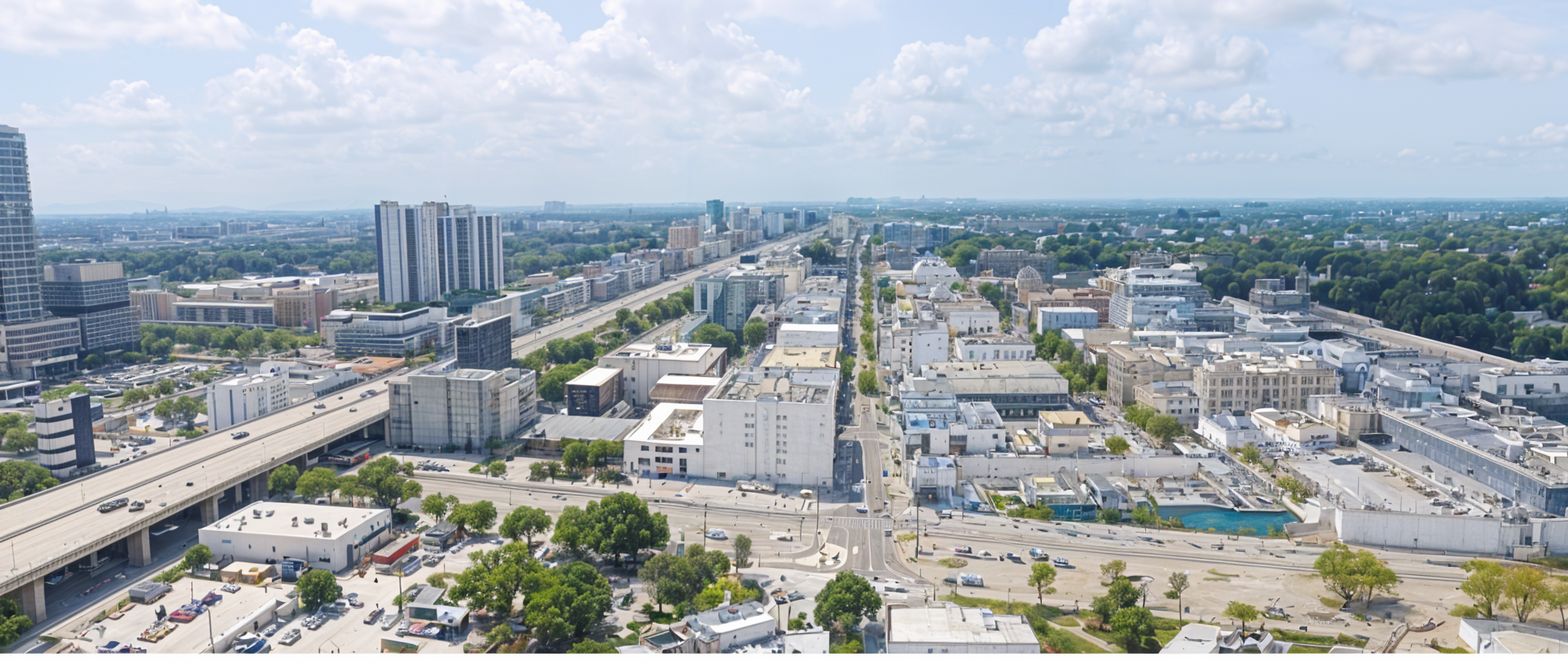
Design District, Miami, Florida - EVERYTHING You Want to Know
Buckle up and join our unmatched virtual journey through the BEST of the Miami Design Dis...
.png)
The Ultimate Guide to Miami-Dade's Top 25 Gated Communities for Single-Family Homes
Discover Miami's top gated communities in this essential guide for luxury home buyers...


Miami's BEST Restaurants in EVERY Neighborhood
Check out the absolute BEST restaurants in every neighborhood of Miami, including the best...
Selling Your Home?
Who are we?
We are the ALL IN Miami Group out of Miami.
We are Colombian, Filipino, Cuban, German, Japanese, French, Indian, Syrian, and American.
We are Christian, Hindu, and Jewish.
We are many, but we are one.
We sell luxury homes in Miami, Florida.
Although some of our clients are celebrities, athletes, and people you read about online, we also help young adults find their first place to rent when they are ready to live on their own.
First-time buyers?
All the time!
No matter what your situation or price range is, we feel truly blessed and honored to play such a big part in your life.